If you have diabetes, you should schedule regular appointments with your eye doctor. People with diabetes have a much higher risk of suffering from vision loss, as high blood sugar can lead to issues like blurred vision, cataracts, glaucoma, and retinopathy.
It’s essential to keep your blood sugar under control and visit your eye doctor at least once a year to avoid damaging your vision and potentially going blind. This article will discuss diabetes, how it can affect your vision, and how you can lower your chance of vision problems.
What Is Diabetes?
Diabetes is a condition when blood glucose levels are abnormally high. The pancreatic hormone, insulin, helps our cells obtain energy with the glucose we consume. Diabetes is a lifelong disease.
Diabetes occurs when one of the following happens:
- The pancreas does not produce insulin
- The pancreas does not produce enough insulin
- When the body doesn’t respond appropriately to insulin, which is a condition called “insulin resistance”
According to the CDC, around 38.4 million people in the United States have this disease, and many are unaware they even have it. Additionally, 97.6 million U.S. adults are pre-diabetic. Those with diabetes have to manage their disease to stay healthy.
How Can Diabetes Affect Vision?
Over time, diabetes can damage your eyes and cause vision loss, even complete blindness. Thankfully, managing your diabetes and getting regular eye exams at least once a year can help treat vision issues and prevent them from worsening. Early diagnosis and treatment can go a long way and protect your eyesight.
Diabetic Retinopathy
One of the most common eye diseases that lead to blindness in working-age adults is diabetic retinopathy. It is caused when high blood sugar damages the blood vessels located in the retina of your eye.
These damaged blood vessels can swell and leak, causing blurred vision or stopping blood flow. Sometimes, new blood vessels grow, but they are abnormal and may cause further vision problems like scar tissue, retinal detachment, and even blindness. Diabetic retinopathy usually affects both eyes.
Whether diabetic retinopathy is reversible depends on its stage. Early detection and effective management can slow progression or improve the condition, but advanced stages may lead to irreversible damage.
Those with type 1, type 2, or gestational diabetes can develop diabetic retinopathy. The longer you have diabetes, the more at risk you are to develop this common eye disease. You also can increase your risk by having too high blood sugar, blood pressure, and cholesterol issues, smoking, or genetics.
Cataracts
Despite cataracts being a natural part of aging for everyone, people with diabetes are much more prone to develop cataracts earlier in life than non-diabetics. Elevated blood sugar levels can lead to changes in the eye’s lens, affecting its clarity and causing clouding or fogging. This prevents light from entering the eye, resulting in blurry vision and glares.
The best treatment option for cataracts is surgery. Cataract surgery is safe and effective, leaving most people with better vision after the surgery.
Glaucoma
Glaucoma is a series of eye diseases that cause damage to the optic nerve, usually caused by too much pressure in the eye. Genetic factors can play a significant role in determining one’s risk for glaucoma, as the condition often runs in families. Glaucoma affects peripheral vision first and happens so slowly that you may not even notice it. It usually does not affect you until there is significant damage.
There isn’t any way to prevent glaucoma, but early diagnosis and treatments can help stop it from getting any worse. Whether it is medication, laser treatment, or surgery, your doctor can choose the best treatment options for you to avoid the complications of untreated glaucoma.
Maculopathy
When the central part of your vision, the macula, is affected by diabetes, you may suffer from blurry vision that makes reading, driving, and other tasks more difficult. Swelling may be minor and treated easily, or, in more severe cases, it can be more difficult to treat.
Proliferative Retinopathy
Because the cells in the back of your eye are so delicate, when they don’t receive enough oxygen, they may bleed and cause a clot. With this, scars can form over time, and your retina may tear away from the back of your eye. Once disconnected completely, you might experience irreversible loss of your vision.
Sometimes, this condition is treatable with surgery and laser techniques. With early detection, you can avoid complete blindness.
Lowering Your Chance of Eye Diseases
Eye problems are common in those with diabetes, but treatments can be very effective. You can also do some things to help prevent eye diseases caused by diabetes. To protect your vision and lower the risk of losing vision, you can take these steps:
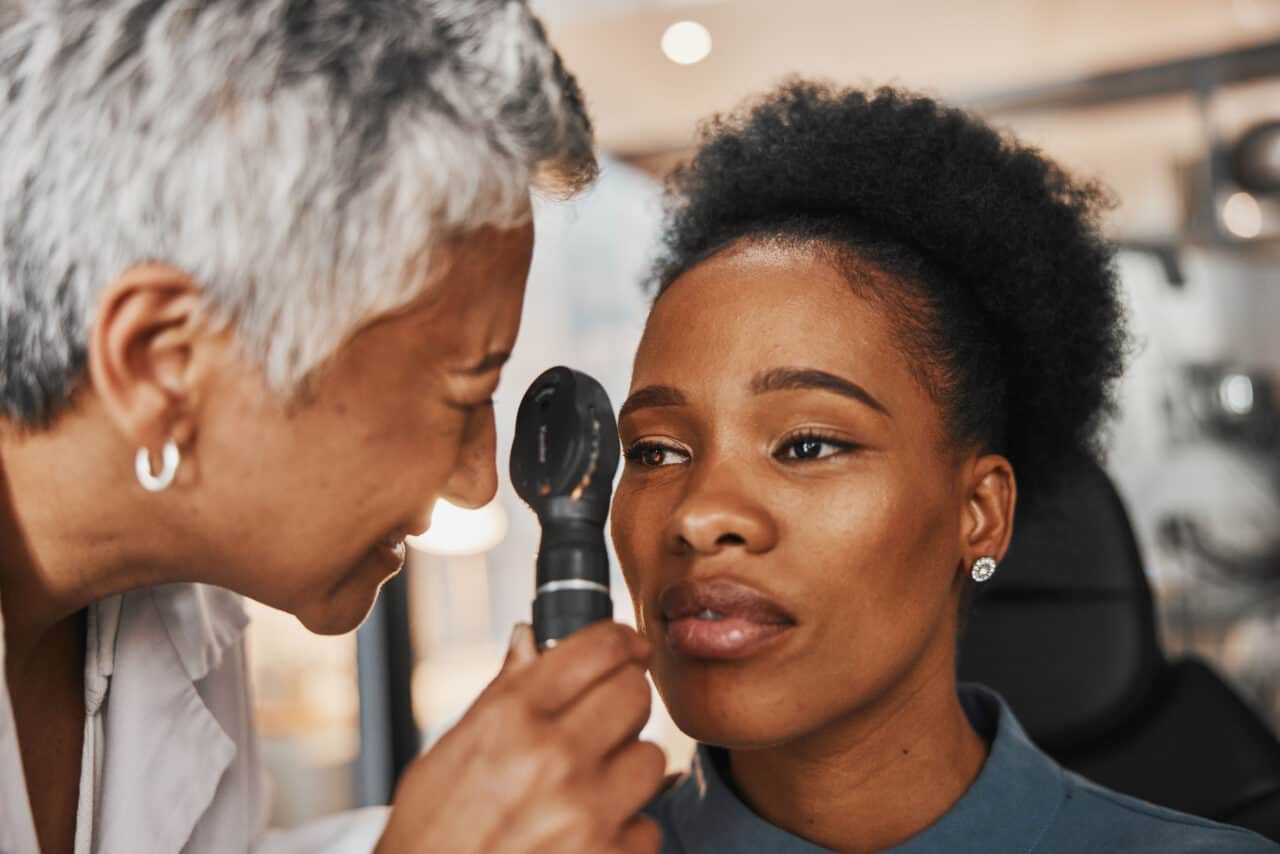
- Regular eye exams — Your eye doctor will be able to spot any problems early on if you make an appointment for a dilated eye exam at least once a year.
- Manage blood sugar levels — Over time, your eye’s blood vessels can be damaged by high blood sugar, which also can affect the shape of your lenses and create blurry vision.
- Manage blood pressure and cholesterol — This is good for your health in general but also will lower the risk of eye diseases and loss of vision.
- Quit smoking — When you quit smoking, you significantly reduce the risk of diabetes-related eye diseases, along with improving other parts of your health as well.
- Stay active — Physical activity helps manage your diabetes and protects your eyes.
Get World-Class Eye Care™ With New Vision Eye Center
People with diabetes are at a higher risk of getting vision problems like blurred vision, glaucoma, maculopathy, and retinal conditions. Managing your blood sugar and having your eyes checked annually is vital. An eye doctor can diagnose eye diseases early on and find treatment if you begin to suffer from any eye problems caused by diabetes.
When was your last eye exam? The sooner any eye problems are found and treated, the better chance of keeping your eyesight for longer and maintaining optimal eye health.
At New Vision Eye Center in Vero Beach, our highly skilled doctors value your eye health and provide World-Class Eye Care™ in our patient-first environment. We utilize the latest technology and offer minimally invasive treatments to give you the best eye care possible.
If you have diabetes and have noticed any changes in your vision, or you simply need to schedule your annual eye exam, contact us today.