
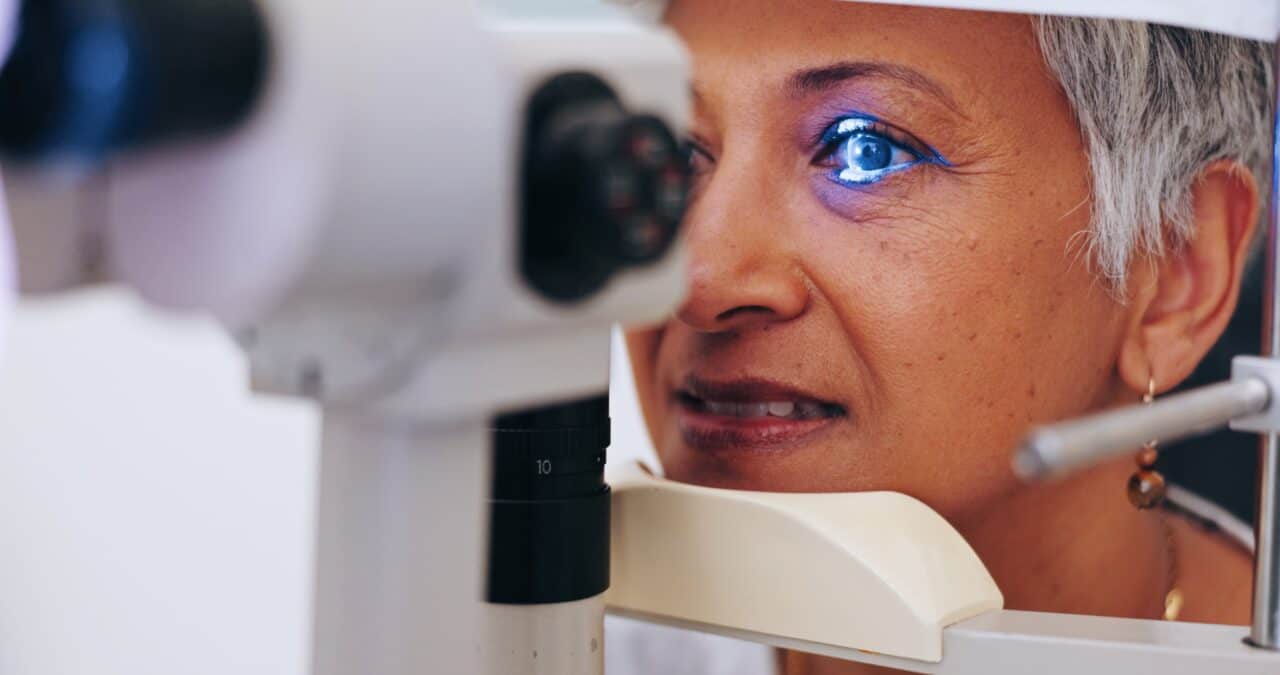
Glaucoma is one of the leading causes of blindness worldwide. Often known as “the silent thief of sight,” many people aren’t even aware they have it until they begin to have symptoms. Unfortunately, once you have glaucoma, the damage cannot be reversed, and you can not prevent it from happening.
There are some steps you can take to prevent glaucoma from progressing and ultimately causing vision loss. This article will help you understand glaucoma and what you can do to help prevent its progression.
What is Glaucoma?
Glaucoma damages the optic nerve and is often caused by high intraocular pressure (IOP). The eye’s optic nerve sends visual information to the brain, and its damage can lead to vision loss or blindness.
Glaucoma typically progresses slowly, and symptoms may not be noticeable until significant damage has occurred, making regular eye exams important for early detection. There are different types of glaucoma, with primary open-angle glaucoma being the most common.
Risk factors include family history, age, high IOP, and some medical conditions. Treatment options focus on lowering eye pressure to prevent further damage.
Maintain Regular Comprehensive Eye Exams
In its early stages, many people with glaucoma will not notice they have any symptoms. For this reason, it is essential to keep up with annual eye appointments, as your eye doctor will be able to detect slight changes in eye pressure, which could be the early stages of glaucoma. After you are diagnosed with glaucoma, you need to follow up with your eye care provider regularly so they can monitor the progression of your glaucoma.
Quit Smoking
Quitting smoking can play a significant role in managing glaucoma and preventing its progression. Smoking has been shown to increase the risk of developing eye diseases, including glaucoma, and can exacerbate existing conditions by reducing blood flow to the optic nerve.
This impaired circulation can worsen optic nerve damage in individuals with glaucoma. Non-smoking can also enhance the effectiveness of glaucoma treatments and contribute to better long-term vision health.
Take Your Medication Regularly
Adhering to the medication regimen prescribed by your eye doctor is an essential part of managing your glaucoma without further vision loss. These medications can be eye drops or oral medications and work by lowering interocular pressure, the primary risk factor for optic nerve damage.
By consistently using the prescribed treatment, you help maintain IOP at a safe level, reducing the risk of further damage to the optic nerve. Skipping doses or not following the treatment plan can lead to fluctuating levels, increasing the likelihood of vision deterioration. Regular use of your glaucoma medications, as directed by your doctor, plays a vital role in slowing the progression of glaucoma and preserving your eyesight over time.
Stay Active and Eat Well
Staying active and eating a balanced diet can play an important role in managing glaucoma symptoms and supporting overall eye health. Regular physical activity improves blood circulation, which can help maintain healthy optic nerve function and potentially reduce intraocular pressure (IOP).
A well-rounded diet rich in antioxidants and nutrients can also benefit eye health. Specific foods that are beneficial for glaucoma include leafy greens like spinach and kale, which are high in lutein and zeaxanthin, antioxidants that help protect the retina. Omega-3 fatty acids in fish like salmon can improve circulation and support eye health.
Additionally, vitamins C and E in citrus fruits and nuts help fight oxidative stress and reduce inflammation. Minerals like magnesium in nuts, seeds, and leafy greens can also help regulate IOP. Combining regular exercise with a nutrient-dense diet can support both eye health and overall well-being while managing glaucoma.
Protect Your Eyes
Wearing eye protection is essential for individuals with glaucoma, as it helps prevent eye injury and reduces the risk of further damage to the optic nerve. Glaucoma weakens the optic nerve, making the eyes more vulnerable to trauma, worsening the condition, or leading to additional vision loss.
Protective eyewear, such as safety glasses or goggles, is particularly important during activities involving potential risks, like sports, home improvement projects, or hazardous materials. In addition, eye protection helps shield the eyes from harmful UV rays, which can contribute to additional eye damage and may exacerbate glaucoma symptoms.
Avoid Activities that Could Make Your Glaucoma Worse
While staying active and getting regular exercise can improve your physical and mental health, tome exercises and activities can worsen glaucoma. Talk with your eye doctor about your exercise and activity routines so they can make suggestions on how you can make adjustments to continue doing the things you enjoy while protecting your eyes.
Avoid situations that can lead to fast changes in eye pressure. Some of these include:
- Bungee jumping
- Scuba diving
- Skydiving
- Certain yoga positions where your head is below your heart
- Breathing exercises that require you to hold your breath
- Handstands or other gymnastics or calisthenics maneuvers where you might be upside down
- Playing woodwind or brass instruments
Tell Your Doctor About Your Medications
Some medications, including over-the-counter common remedies, have been shown to worsen the symptoms of glaucoma by increasing intraocular pressure.
Antihistamines
Some antihistamines used to treat allergies, may reduce the ability of the eye to drain fluid properly, which can increase IOP, especially in people with angle-closure glaucoma. This includes diphenhydramine (Benadryl), loratadine (Claritin), fexofenadine (Allegra), and cetirizine (Zyrtec).
Decongestants
Commonly found in OTC cold and allergy medications, decongestants such as pseudoephedrine and phenylephrine can constrict blood vessels, which can increase IOP, particularly in individuals with narrow-angle glaucoma.
Corticosteroids
Long-term or high-dose use of corticosteroids, such as prednisone and hydrocortisone, either orally or topically (such as eye drops), can raise IOP and may lead to steroid-induced glaucoma, particularly in those with a predisposition to the condition.
Antidepressants
These medications, such as fluoxetine (Prozac), paroxetine (Paxil), and duloxetine (Cymbalta), are often used to treat depression or anxiety. They can dilate the pupils, which may narrow the drainage angle of the eye and increase IOP.
Keep On Top of Your Glaucoma With New Vision Eye Center
If you’re struggling to manage your glaucoma symptoms or need guidance on how to control the condition effectively, don’t wait to seek help. Contact New Vision Eye Center today to schedule an appointment with our experienced eye care professionals.
We provide personalized treatment plans, answer your questions, and offer the latest solutions to help manage your glaucoma and protect your vision. Early intervention is key to preserving your eyesight, so take the first step toward better eye health by contacting us today.