
Glaucoma is one of the leading causes of blindness globally. Often referred to as the “silent thief of sight,” glaucoma is a progressive condition that can lead to irreversible vision loss if left untreated.
Despite its prevalence and potential consequences, glaucoma remains widely misunderstood, with many individuals unaware of the dangers it poses. This article aims to shed light on the risks associated with untreated glaucoma, emphasizing the importance of early detection and proactive management in preserving vision and overall quality of life.
What is Glaucoma?
Glaucoma is an eye disorder characterized by damage to the optic nerve. The exact cause of the disease is not well understood. The most common form is marked by excess fluid build-up that puts pressure on and damages the optic nerve. There are various types of glaucoma.
Primary Open-Angle Glaucoma (POAG)
This is the most common type of glaucoma, accounting for the majority of cases. The trabecular meshwork is the eye’s drainage system. POAG occurs when the trabecular meshwork loses efficiency over time, leading to an increase in intraocular pressure (IOP).
Elevated IOP gradually damages the optic nerve, resulting in vision loss. POAG typically progresses slowly and asymptomatically until advanced stages.
Angle-Closure Glaucoma (ACG)
Unlike POAG, ACG is characterized by a sudden or intermittent increase in intraocular pressure due to the closure or narrowing of the drainage angle between the iris and cornea. This can occur gradually (chronic angle-closure glaucoma) or suddenly (acute angle-closure glaucoma), with the latter presenting as a medical emergency requiring immediate treatment to prevent permanent vision loss.
Normal-Tension Glaucoma (NTG)
In NTG, optic nerve damage and vision loss occur despite intraocular pressures within the normal range. The exact mechanisms underlying NTG are not fully understood, but factors such as impaired blood flow to the optic nerve and increased susceptibility of the optic nerve to damage may play a role.
Secondary Glaucoma
Secondary glaucoma refers to cases where elevated intraocular pressure and optic nerve damage result from underlying conditions or factors such as:
- Eye trauma
- Eye surgery
- Certain medications (e.g., corticosteroids)
- Uveitis (inflammation of the eye’s middle layer)
- Other ocular diseases.
Congenital Glaucoma
Congenital glaucoma is a rare form of the condition that presents in infants and young children due to abnormalities in the development of the eye’s drainage system. Early diagnosis and intervention are crucial to prevent irreversible vision loss in congenital glaucoma.
Symptoms may include:
- Enlarged eyes
- Excessive tearing
- Light sensitivity
- Cloudiness of the cornea
Symptoms of Glaucoma
Because glaucoma can have such devastating effects, people want to know about early symptoms and what to look out for. However, there aren’t any early warnings for many types of glaucoma. By the time you start to experience symptoms, it might be too late, and the damage is irreversible.
This is why doctors highly suggest routine eye screenings. During these exams, your doctor can detect early signs, such as heightened eye pressure, that you might not feel.
In later stages, you might experience the following symptoms of glaucoma:
- Gradual loss of peripheral vision
- Blurred or hazy vision
- Halos around lights
- Eye pain or discomfort
- Headaches
- Nausea and vomiting
- Red or irritated eyes
Who Can Get Glaucoma?
Anyone can develop glaucoma, but some factors make it more likely to appear in certain populations. If you have diabetes, you are twice as likely to get glaucoma as those who don’t, and people of African American and Hispanic heritage are also more likely to develop the disease.
Other risk factors include:
- A family history of glaucoma
- High blood pressure
- Long-term use of corticosteroids
- Previous eye trauma or surgery
The Risks of Untreated Glaucoma
Untreated glaucoma poses significant risks to vision and overall eye health, as the condition can progressively worsen over time, leading to irreversible vision loss and other complications. Some of the key risks associated with untreated glaucoma include the following.
Progressive Vision Loss
Glaucoma causes damage to the optic nerve. The optic nerve transmits visual information from the eye to the brain. Over time, untreated glaucoma can lead to progressive and irreversible vision loss, starting with peripheral vision and eventually affecting central vision. Secondary effects include an increased likelihood of falls and injury, as peripheral vision loss can impact spatial awareness and depth perception.
Blindness
If left untreated or inadequately managed, glaucoma can ultimately result in blindness. While blindness from glaucoma is preventable with timely intervention, advanced cases of the disease can lead to severe and permanent visual impairment.
Psychological and Emotional Impact
Coping with the diagnosis and progression of glaucoma can take a toll on an individual’s emotional well-being, leading to feelings of anxiety, depression, and frustration. Vision loss can also impact social interactions, relationships, and self-esteem, highlighting the importance of holistic support and care for individuals affected by glaucoma.
Diagnosis and Treatment
Though it can be frightening to receive a glaucoma diagnosis, there is treatment available. While the damage to the optic nerve and eyesight is permanent and irreversible, there are steps you can take to mitigate the ill effects.
Diagnosing Glaucoma
Since it is possible to have glaucoma but not experience symptoms, a regular, comprehensive eye exam is important for early detection. The eye exam can include tests such as:
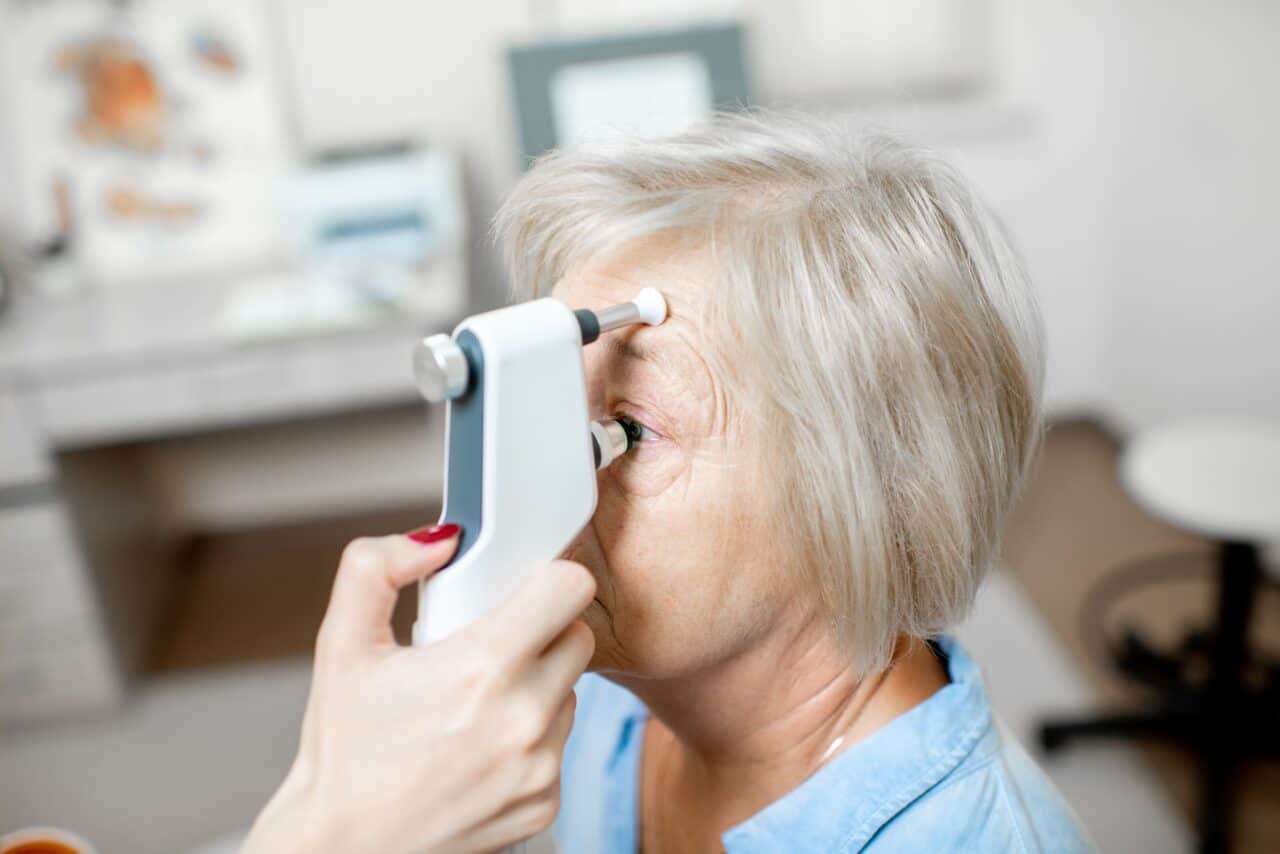
- Tonometry — This test measures intraocular pressure (IOP), which is a crucial risk factor for glaucoma.
- Ophthalmoscopy — During ophthalmoscopy, the eye care professional examines the optic nerve at the back of the eye. Changes in the appearance of the optic nerve may indicate optic nerve damage associated with glaucoma.
- Gonioscopy — Gonioscopy is a procedure that allows the eye care professional to evaluate the drainage angle of the eye. This is crucial in diagnosing certain types of glaucoma, such as angle-closure glaucoma.
- Visual field testing — Visual field testing assesses peripheral vision and can detect early signs of visual field loss associated with glaucoma.
Medication
Various prescription eye drops are available to treat glaucoma. They typically increase drainage or lower fluid buildup to relieve pressure on the optic nerve.
Besides eye drops, doctors often prescribe medication in pill form to treat glaucoma. These medications work by slowing down fluid production in your eye, lessening pressure on the optic nerve.
Laser Treatment
Laser treatment is a widely used therapeutic option for managing glaucoma. Laser treatment for glaucoma is typically performed on an outpatient basis and is relatively quick and minimally invasive compared to traditional glaucoma surgery.
Laser treatment can effectively lower intraocular pressure and help manage glaucoma, but it may not be a permanent solution. Over time, additional treatments or interventions may be needed to maintain optimal IOP control.
Surgery
Your doctor may also recommend surgery if other treatments, such as laser therapy or medication, aren’t effective. Over the years, a procedure known as minimally invasive glaucoma surgery (MIGS) has been developed to lower intraocular pressure using minimally invasive techniques. MIGS procedures are characterized by smaller incisions, reduced tissue trauma, shorter surgical times, and quicker recovery periods.
Trust Your Vision to New Vision Eye Center
The consequences of untreated glaucoma are profound and potentially life-alter. Because symptoms often don’t appear until irreversible damage has already occurred, early detection is paramount. Regular annual eye exams are the best way to catch issues before they become problems.
New Vision Eye Center provides World-Class Eye Care using the latest technologies and minimally invasive treatments. Our expert eye care professionals can identify signs of glaucoma long before symptoms manifest, allowing for timely intervention and personalized treatment plans tailored to your needs.
Be proactive. Schedule your eye exam today.