
Diabetic retinopathy is one of the most common complications of diabetes, affecting millions of people worldwide. It occurs when high blood sugar levels damage the blood vessels in the retina, leading to vision loss if left untreated. Many people affected by this disease wonder if diabetic retinopathy is reversible.
This answer is complicated. While treatment may manage or halt certain stages of the condition, complete reversal is not possible.
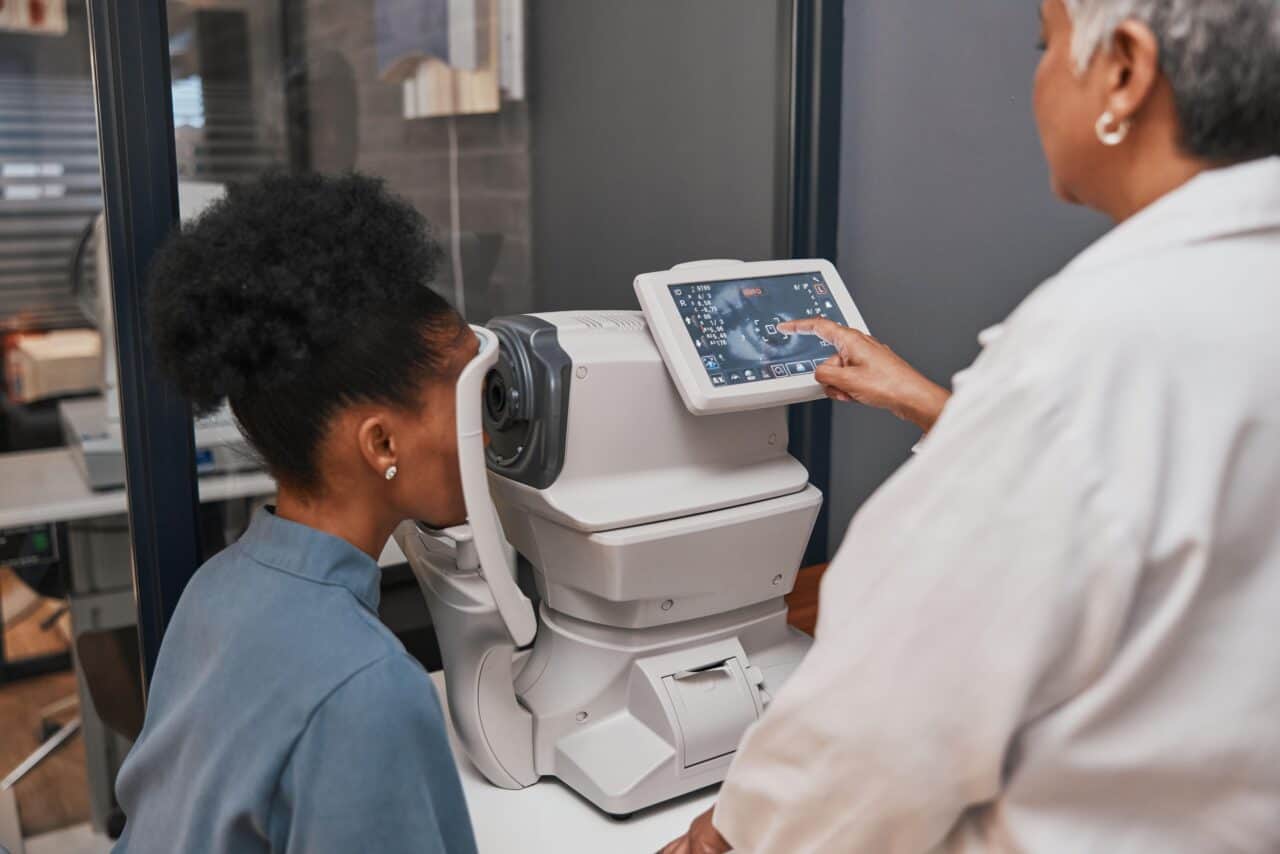
Because diabetic retinopathy is such a common side effect of diabetes, it’s crucial that those with the disease undergo regular eye exams at least once a year. Early detection and management are key to managing the symptoms of this condition.
What Causes Diabetic Retinopathy?
Diabetic retinopathy is a direct result of prolonged high blood sugar levels, which can cause significant damage to the blood vessels in the retina. In healthy eyes, blood vessels in the retina provide the oxygen and nutrients needed for proper vision. However, in individuals with diabetes, persistent hyperglycemia (high blood sugar) leads to a series of changes that compromise the integrity of these blood vessels.
Symptoms and Stages of Diabetic Retinopathy
Diabetic retinopathy progresses in stages, each with its own set of symptoms and potential for vision loss. These stages reflect the severity of the damage to the blood vessels in the retina. The stages of diabetic retinopathy are typically classified into four primary levels: mild, moderate, severe, and proliferative.
Mild Nonproliferative Diabetic Retinopathy
This is the earliest stage of diabetic retinopathy and often has no noticeable symptoms. During this time, microaneurysms (tiny bulges in the blood vessels) develop in the retina. Fluid or blood may leak from these microaneurysms into the retina but usually don’t cause significant visual problems. While mild NPDR is not usually associated with vision loss, it indicates that changes are occurring in the blood vessels, which can worsen over time if blood sugar control is not maintained.
Moderate Nonproliferative Diabetic Retinopathy
At this stage, the damage to the blood vessels becomes more pronounced. The swelling in the retina may increase, and some of the blood vessels may start to become blocked.
As the blood flow is compromised, certain areas of the retina may not receive enough oxygen. This can lead to further retinal changes, including fluid leakage into the retina and the potential for mild macular edema (swelling in the center of the retina that can affect central vision). Vision changes may begin to occur, but they are often subtle at this stage.
Severe Nonproliferative Diabetic Retinopathy
In this more advanced stage, a significant number of blood vessels in the retina become blocked, leading to poor blood circulation and increased risk of retinal damage. This oxygen deprivation in the retina signals the growth of new blood vessels, although not yet abnormal or fragile enough to be classified as proliferative retinopathy.
Severe NPDR can cause substantial damage to the retina, leading to further loss of vision and the development of macular edema. At this stage, diabetic retinopathy can lead to more noticeable vision impairment, including difficulty seeing or reading in low-light conditions.
Proliferative Diabetic Retinopathy
This is the most advanced and severe stage of diabetic retinopathy. In proliferative retinopathy, the retina has suffered significant damage, and the lack of oxygen triggers the growth of new, abnormal blood vessels. These new vessels are fragile and prone to leaking blood or fluid into the retina, leading to retinal hemorrhages (bleeding).
In addition to bleeding, scar tissue may form due to abnormal vessel growth, which can cause the retina to detach from the back of the eye. This stage is highly dangerous, as it can lead to severe vision loss or blindness if left untreated. Proliferative diabetic retinopathy is often associated with other complications, such as vitreous hemorrhages (bleeding into the vitreous gel inside the eye) or retinal detachment.
Treatment Options
The treatment for diabetic retinopathy aims to slow or halt the progression of the disease, prevent vision loss, and manage any existing complications. The approach depends on the stage and severity of the condition. In the early stages (mild to moderate NPDR), controlling blood sugar, blood pressure, and cholesterol levels is crucial to prevent further damage. If the disease progresses, treatments such as laser therapy (also known as photocoagulation) may be used to target leaking blood vessels or to shrink abnormal vessels.
For more advanced stages like proliferative diabetic retinopathy or macular edema, intravitreal injections of anti-VEGF (vascular endothelial growth factor) drugs, like ranibizumab or aflibercept, may be administered to reduce the growth of abnormal blood vessels and control swelling in the retina. Steroid injections can also help manage inflammation and macular edema. In cases of significant bleeding or retinal detachment, vitrectomy surgery may be required to remove blood from the vitreous or repair the retina.
While these treatments can effectively stabilize vision and prevent further damage, they cannot reverse the damage already done, highlighting the importance of early detection and intervention. Regular eye exams are essential for people with diabetes to monitor the condition and initiate treatment before irreversible damage occurs.
Preventing Diabetic Retinopathy
By taking a proactive approach to managing overall health and seeking regular eye care, individuals with diabetes can significantly lower their risk of developing diabetic retinopathy or suffering from vision loss.
To prevent diabetic retinopathy, maintaining tight control over blood sugar levels and addressing other risk factors such as high blood pressure and high cholesterol are essential. Keeping blood glucose levels within the target range reduces the risk of damaging blood vessels in the retina.
Regular exercise, a healthy diet, and adherence to prescribed medications can all contribute to better blood sugar control. Routine eye exams are essential for early detection, as diabetic retinopathy can develop without noticeable symptoms, especially in its early stages.
Take Control of Your Vision Health at New Vision Eye Center
If you have diabetes and are concerned about your eye health, taking proactive steps in managing your vision is essential. At New Vision Eye Center, our experienced team specializes in preventing, detecting, and treating diabetic retinopathy. With state-of-the-art diagnostic tools and personalized care, we can help you protect your eyesight and manage any existing symptoms.
Don’t wait until the condition progresses. Contact us today and take the first step toward preserving your vision for the future.