
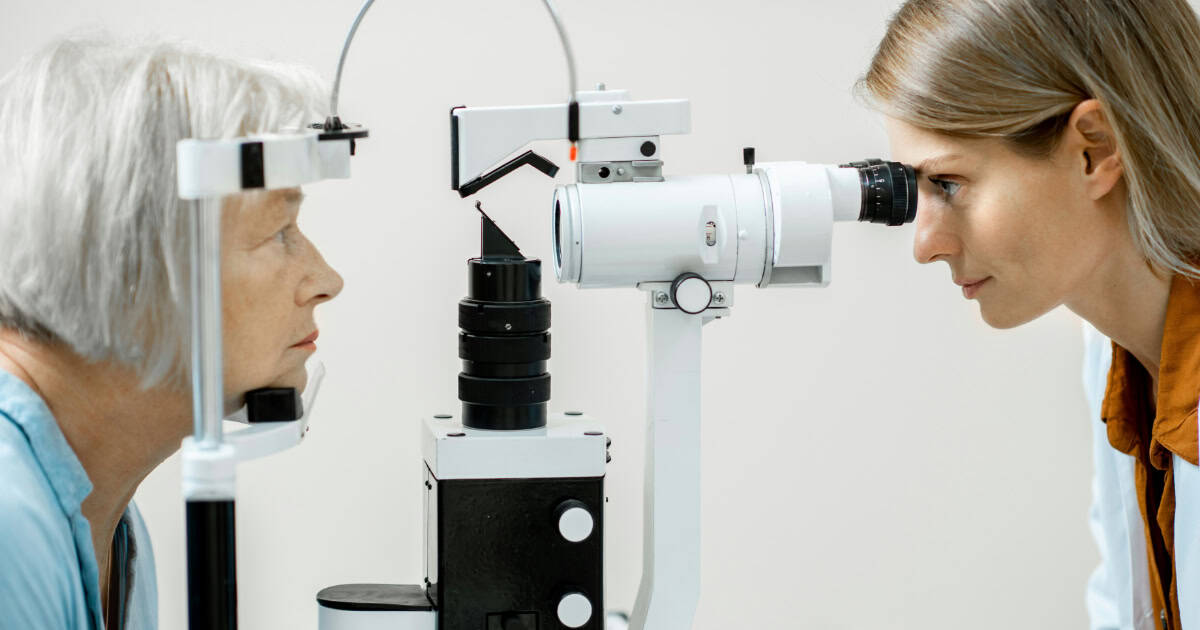
Diabetic retinopathy can have devastating consequences, causing significant damage to your eyesight, including blindness. This condition is a compilation of diabetes that affects the blood vessels in the retina, the light-sensitive tissue at the back of the eye.
Understanding the four stages of diabetic retinopathy is important for early detection, effective management, and preventing irreversible vision loss. Regular eye exams are necessary for individuals with diabetes, and knowing what to expect at each stage can empower patients to take proactive steps in protecting their vision.
What is Diabetic Retinopathy?
Diabetic retinopathy is a serious eye condition that occurs as a complication of diabetes, affecting the retina, the part of the eye responsible for capturing light and sending visual information to the brain. Over time, the high blood sugar levels caused by diabetes can harm the blood vessels in the retina, leading to leakage, swelling, and even the formation of abnormal blood vessels.
As this damage progresses, it can impair vision, and without treatment, diabetic retinopathy can result in permanent blindness. It is one of the leading causes of blindness in the world, particularly in people with long-term or poorly controlled diabetes.
This condition develops in stages, starting with mild changes in the retinal blood vessels and potentially progressing to more severe forms that can cause significant vision loss. Early-stage diabetic retinopathy often has no noticeable symptoms, making regular eye exams essential for early detection.
Left untreated, the condition can lead to complications such as macular edema (swelling of the retina), retinal detachment, or the formation of new blood vessels that can bleed into the eye. This is why managing blood sugar levels, controlling blood pressure, and having annual eye screenings are key steps in preventing diabetic retinopathy from advancing to more severe stages.
The 4 Stages of Diabetic Retinopathy
Stage 1: Mild Nonproliferative Diabetic Retinopathy (NPDR)
In this early stage, the blood vessels in the retina become slightly weakened, which can cause small bulges, called microaneurysms, to form in the vessel walls. These microaneurysms may leak tiny amounts of fluid or blood into the retina, but typically, this does not cause any noticeable symptoms.
At this stage, the damage to the retina is minimal, and vision is usually unaffected. However, it’s a very important time for detection, as the condition can progress to more severe stages without intervention.
Stage 2: Moderate Nonproliferative Diabetic Retinopathy
In this stage, the damage to the retinal blood vessels becomes more pronounced. The microaneurysms increase in number, and some vessels may begin to leak more fluid or blood into the retina. Additionally, the blood flow to certain areas of the retina can become impaired, leading to areas of retinal ischemia or reduced oxygen supply.
Although vision is typically still not significantly impacted at this stage, there may be some subtle changes that could lead to blurry vision if the condition progresses. Stage 2 marks an important point where intervention becomes critical.
Stage 3: Severe Nonproliferative Diabetic Retinopathy (NPDR)
At this stage, the damage to the retinal blood vessels becomes more extensive. A significant number of blood vessels are blocked, which leads to a reduction in the blood supply to the retina.
In response to this lack of oxygen, the retina may begin to send signals to encourage the growth of new blood vessels, called angiogenesis. However, these new vessels are fragile and can be prone to leaking or bleeding.
While severe NPDR may not cause major vision changes immediately, it significantly increases the risk of progressing to the next, more dangerous stage, where the new blood vessels can cause serious complications. At stage 3, it is crucial to seek prompt medical attention to prevent further damage and preserve vision.
Stage 4: Proliferative Diabetic Retinopathy (PDR)
In this stage, the retina’s oxygen supply has been severely compromised, causing the growth of new, abnormal blood vessels in an attempt to restore blood flow. However, these new blood vessels are fragile and prone to leaking blood and fluid into the vitreous gel of the eye, which can cause bleeding (vitreous hemorrhage).
As abnormal blood vessels grow, they can also lead to scar tissue formation. The scar tissue can cause the retina to detach from the back of the eye, leading to severe vision loss if not treated promptly. Symptoms at this stage may include sudden vision loss, floaters, or blurred vision, and immediate medical attention is necessary to prevent permanent damage.
Treatment Options
The treatment options for diabetic retinopathy depend on the severity and stage of the condition. Early stages, like mild or moderate NPDR, may not need immediate treatment but require close monitoring. For more advanced stages, more active treatment is necessary to prevent further vision loss.
Laser Therapy (Photocoagulation)
In the case of more advanced stages, laser therapy can seal leaking blood vessels or reduce the growth of abnormal blood vessels.
Anti-VEGF Injections
Anti-vascular endothelial growth factor (VEGF) injections are used to block the signals that promote the growth of abnormal blood vessels. These injections help reduce swelling and prevent further damage to the retina. Common medications include bevacizumab (Avastin), ranibizumab (Lucentis), and aflibercept (Eylea). These injections are typically given every few weeks or months, depending on the severity of the condition.
Vitrectomy Surgery
In advanced stages of diabetic retinopathy, particularly when there is significant bleeding into the vitreous gel or retinal detachment, a vitrectomy may be necessary. This surgical procedure involves removing the vitreous gel and replacing it with a clear solution, allowing the surgeon to repair any damage to the retina and remove blood or scar tissue.
Management of Diabetes and Associated Risk Factors
Maintaining good control over blood sugar levels is the most important long-term treatment to prevent further progression of diabetic retinopathy. Additionally, managing blood pressure and cholesterol levels, along with regular eye exams, can help slow the progression of the disease and reduce the risk for complications.
Have Questions About Diabetic Retinopathy? Turn to New Vision Eye Center for the Answers You Need
Diabetic retinopathy is a serious yet manageable condition when detected early and properly treated. Understanding its four stages can help individuals with diabetes take proactive steps to protect their vision. If you have diabetes, prioritizing your eye health is essential, as early detection and treatment can make a significant difference in preserving your sight.
At New Vision Eye Center, our expert team specializes in diagnosing and managing diabetic retinopathy at every stage, from early detection to advanced treatment options. We can help you take control of your eye health and reduce the risk of diabetic retinopathy progressing to advanced stages.
Early intervention can prevent further damage and preserve your vision, so make an appointment today to ensure your eyes stay as healthy as possible.