
When it comes to protecting your vision, some eye conditions go beyond the surface and signal deeper health concerns within the body. One such condition is papilledema, a serious form of optic disc swelling that often indicates increased pressure inside the skull.
While it may not always cause immediate symptoms, papilledema should never be ignored, as it can point to potentially life-threatening conditions that require prompt medical attention. Understanding what papilledema is, what causes it, and how it is treated can help you recognize when it’s time to seek care.
Understanding Papilledema
Papilledema refers specifically to swelling of the optic disc caused by an increase in intracranial pressure (pressure within the skull). The optic disc is the point at the back of the eye where the optic nerve connects to the retina. This nerve is responsible for transmitting visual information from the eye to the brain.
When intracranial pressure rises, the optic nerve may be compressed, leading to swelling at the optic disc. Unlike other types of optic nerve swelling, papilledema is almost always associated with elevated intracranial pressure, making it a critical medical concern rather than just an eye issue.
What Causes Papilledema?
Papilledema is not a condition in itself but a sign of an underlying problem. Several serious conditions can lead to increased intracranial pressure, including:
- Brain tumor or masses
- Head injuries or trauma
- Brain infections such as meningitis or encephalitis
- Hydrocephalus (a buildup of fluid in the brain)
- Intracranial hemorrhage (bleeding in the brain)
- Idiopathic intracranial hypertension (IIH), also known as pseudotumor cerebri
Among these, idiopathic intracranial hypertension is a relatively common cause, particularly in young women, and occurs without a detectable structural problem in the brain. Because papilledema can be serious, it is considered a medical emergency that requires immediate evaluation.
Symptoms of Papilledema
One of the challenges of papilledema is that it may not cause noticeable symptoms in its early stages. However, as pressure increases, patients may begin to experience a range of visual and neurological symptoms.
Common symptoms include:
- Temporary vision loss or “graying out” of vision
- Burred or double vision
- Headaches, often worse in the morning
- Nausea or vomiting
- Pulsating sounds in the ears (pulsatile tinnitus)
- Difficulty with peripheral (side) vision
Vision changes associated with papilledema may come and go at first, especially when changing positions, such as standing up quickly. Over time, if left untreated, the swelling can damage the optic nerve, leading to permanent vision loss.
How Papilledema is Diagnosed
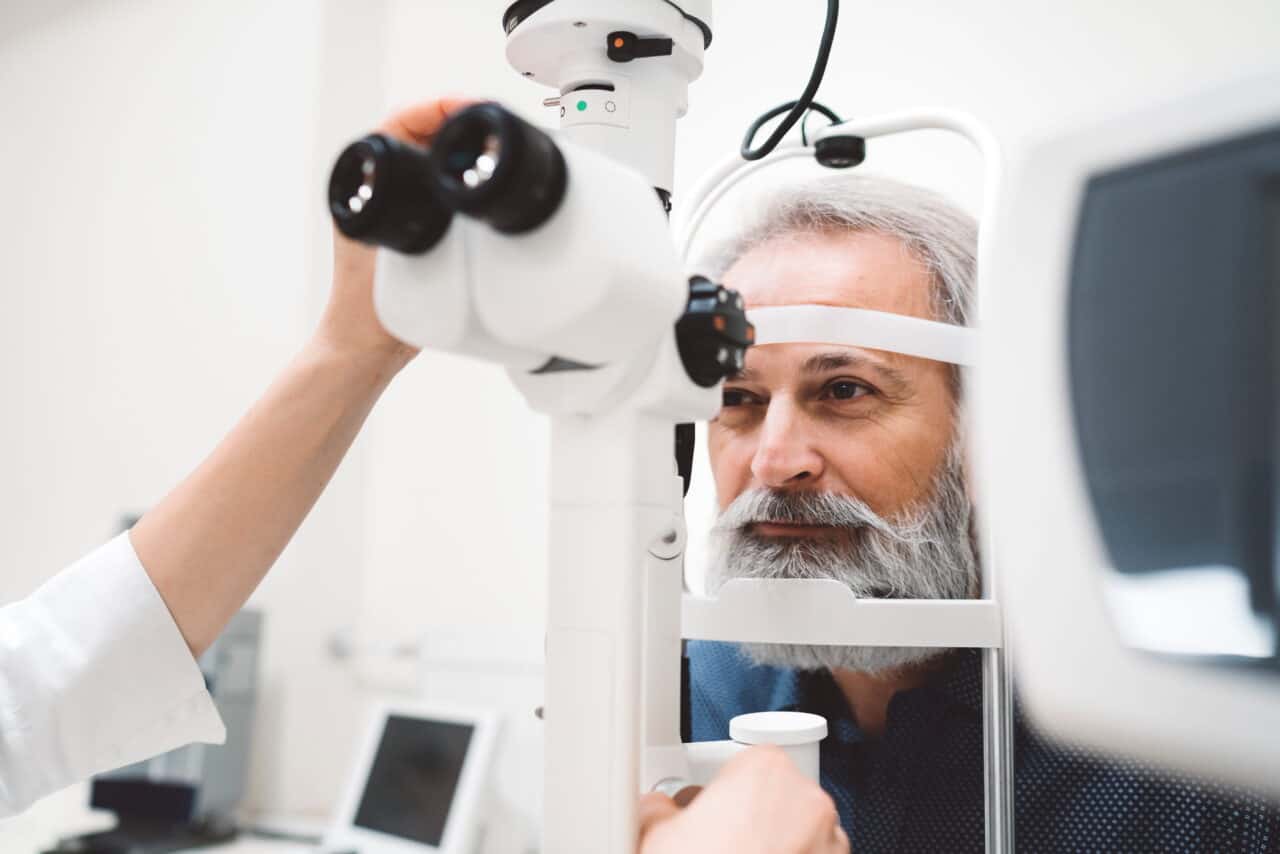
Papilledema is typically detected during a comprehensive eye exam. Eye doctors use specialized instruments to examine the back of the eye and assess the appearance of the optic disc.
Diagnostic tools may include:
- Dilated eye examination to view the optic nerve
- Optical coherence tomography (OCT) to measure nerve swelling
- Visual field testing to detect peripheral vision loss
- Fundus photography to document changes over time
If papilledema is suspected, further testing is essential to identify the underlying cause. Because of the potential seriousness of the condition, prompt referral and coordinated care are critical.
This often involves collaboration with other medical professionals and may include:
- MRI or CT scans of the brain
- Lumbar puncture (spinal tap) to measure intracranial pressure
- Blood test or neurological evaluations
Papilledema vs. Other Optic Nerve Conditions
It’s important to distinguish papilledema from other types of optic nerve swelling, such as optic neuritis or ischemic optic neuropathy. While these conditions also affect the optic nerve, they have different causes and treatments.
Papilledema is unique because it is directly linked to increased intracranial pressure, whereas other optic nerve conditions may be caused by inflammation, reduced blood flow, or autoimmune disorders. Accurate diagnosis ensures that patients receive the appropriate care for their specific condition.
Treatment Options for Papilledema
Treating papilledema focuses on addressing the underlying cause of the increased intracranial pressure. Because the condition is a symptom rather than a standalone disease, management strategies vary depending on the diagnosis.
Some common treatment approaches include:
1. Medications
For conditions like idiopathic intracranial hypertension, your doctor may prescribe medications to reduce fluid production or lower intracranial pressure. These can help alleviate symptoms and prevent further optic nerve damage.
2. Lifestyle Changes
In some cases, particularly with IIH, weight loss and dietary changes may play a role in reducing pressure and improving symptoms.
3. Surgical Interventions
If a tumor, hemorrhage, or structural issue is causing the pressure, surgery may be necessary to remove the source of the problem or relieve pressure on the brain. Procedures such as optic nerve sheath fenestration or shunt placement may also be considered in certain cases to protect vision.
4. Ongoing Monitoring
Regular follow-up care is essential to monitor changes in optic nerve swelling and ensure that treatment is effective. Visual field testing and imaging help track progress and prevent complications.
Potential Complications
Because papilledema is often linked to serious underlying conditions, failing to address it can put overall health and even life at risk. If papilledema is not treated promptly, it can lead to serious complications, including:
- Permanent vision loss
- Optic nerve atrophy (damage to the optic nerve)
- Chronic headaches and neurological issues
When to Seek Medical Attention
Because papilledema can signal a medical emergency, it is important to seek care right away if you experience symptoms such as:
- Sudden or recurring vision changes
- Persistent or severe headaches
- Unexplained nausea or vomiting
- Visual disturbances like double vision
Even if symptoms seem mild or intermittent, they should not be ignored. Early detection and treatment can significantly improve outcomes.
Protect Your Vision and Health With New Vision Eye Center
Papilledema serves as a reminder that your eyes can reveal important information about your overall health. Routine eye exams are not just about updating your prescription; they are a vital part of detecting serious conditions early.
At New Vision Eye Center, comprehensive eye care goes beyond vision correction. Our team is equipped to identify signs of conditions such as papilledema and to guide patients through the next steps in diagnosis and treatment.
If you’ve been experiencing unusual vision symptoms or it’s time for your routine eye exam, scheduling a visit can help ensure that any potential issues are caught early. When it comes to conditions like papilledema, timely care can protect not only your eyesight but also your overall well-being.
Contact us today.