Your vision is one of your most important senses, yet the eyes are often overlooked in routine healthcare. While many people only visit an eye specialist when vision problems arise, regular checkups with an ophthalmologist can be key to preserving long-term eye health.
Ophthalmologists are medical doctors trained to diagnose and treat a wide range of eye conditions, from common issues like nearsightedness to serious diseases such as glaucoma or macular degeneration. In this article, we’ll explore the top reasons why seeing an ophthalmologist should be a regular part of your healthcare routine and how early detection and treatment can make all the difference in protecting your vision.
What is an Ophthalmologist?
In addition to routine eye exams and vision care, it is essential to consult an ophthalmologist for more serious or complex eye conditions. This includes eye injuries or infections, chronic diseases like glaucoma or macular degeneration, the need for eye surgery, or complications related to systemic conditions such as diabetes.
Education
An ophthalmologist is a medical doctor (MD) or doctor of osteopathic medicine (DO) who has completed 4 years of medical school, a 1-year internship, and 3+ years of residency in ophthalmology. Many also complete fellowships for subspecialty training (e.g., retina, glaucoma, cornea).
Scope of Practice
An ophthalmologist can diagnose and treat a wide range of eye diseases. They can also perform eye surgery, prescribe medications, and provide routine vision care, including prescribing glasses and contact lenses.
Surgical Capability
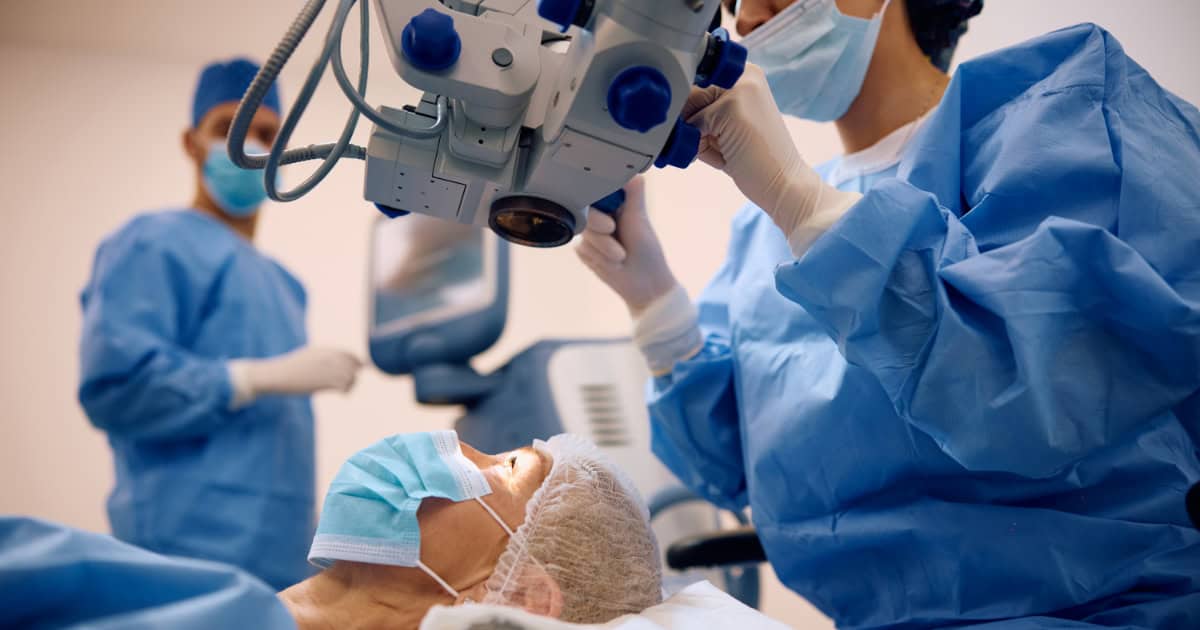
Ophthalmologists are qualified to perform a wide range of eye surgeries. Some of these surgeries include: cataract removal, LASIK, ICL, retinal procedures, and glaucoma surgeries.
Reasons to See an Ophthalmologist
Regular visits to an ophthalmologist are essential for maintaining good eye health, especially as you age or if you have risk factors for eye disease. Even if your vision seems fine, regular visits to an ophthalmologist are key to protecting one of your most essential senses. Your sight.
Preventive care today can save your vision tomorrow. Here are some of the top reasons to make those appointments a priority:
Early Detection of Eye Diseases
Many serious eye conditions like glaucoma, macular degeneration, diabetic retinopathy, and cataracts often develop without obvious symptoms in their early stages. Ophthalmologists can detect these issues through comprehensive exams before permanent vision loss occurs.
Professional Management of Chronic Conditions
If you have chronic health conditions such as diabetes, high blood pressure, or autoimmune diseases, your risk of developing eye problems increases. Ophthalmologists are trained to monitor and manage eye complications related to these diseases, helping prevent vision deterioration.
Access to Advanced Treatment and Surgery
Ophthalmologists are medical doctors who can perform eye surgeries, prescribe a wide range of medications, and offer specialized treatments for eye conditions. Whether it’s cataract removal, laser therapy, or injections for retinal disease, they can provide care that goes beyond what an optometrist can offer.
Monitoring Age-Related Vision Changes
As you age, your risk of developing age-related eye issues, such as presbyopia, dry eye, glaucoma, and macular degeneration, increases. Regular visits help ensure that these conditions are detected and treated early, preserving your vision and quality of life.
Personalized Eye Health Advice
Ophthalmologists assess your overall health, lifestyle, medications, and family history to offer tailored advice. This can include preventive strategies, nutrition tips, and guidance on reducing screen strain or managing eye fatigue.
Prevention of Vision Loss
When caught early, many eye diseases are highly treatable. Regular checkups can mean the difference between maintaining healthy vision and facing irreversible vision loss.
Comprehensive Eye Exams
Ophthalmologists provide more in-depth testing than a standard vision check. These exams often include dilation, intraocular pressure measurements, retinal imaging, and visual field tests, which can uncover hidden problems.
Pediatric Eye Care and Developmental Monitoring
Children may not always recognize or express vision problems. Pediatric ophthalmologists can assess developmental issues, screen for conditions like strabismus or amblyopia, and ensure your child’s vision is on track.
Choosing the Right Ophthalmologist
When choosing an ophthalmologist, it’s essential to consider a combination of credentials, experience, and patient-centered care.
- Start by verifying that the doctor is board-certified and licensed, ensuring they’ve received proper medical training and meet high standards in ophthalmology.
- Look for an ophthalmologist with experience treating your specific condition, whether it’s cataracts, glaucoma, retinal disorders, or general eye health. Subspecialty training or fellowship experience can be beneficial if you require advanced care.
- Patient reviews and referrals from your primary care physician or optometrist can also provide valuable insight into the doctor’s communication style, office environment, and quality of care.
- Ensure that the ophthalmologist accepts your insurance and is conveniently located to facilitate regular follow-up visits.
- A good ophthalmologist should not only have strong clinical skills but also take the time to answer your questions and involve you in decisions about your eye health.
Take Control of Your Eye Health Today
Your eyes are delicate, complex organs, and any sudden changes or symptoms should never be ignored. Recognizing the signs of an eye emergency and seeking prompt medical attention can make the difference between preserving your vision and facing permanent damage.
At New Vision Eye Center, we are committed to providing expert, compassionate care when you need it most. Our skilled team of ophthalmologists and specialists utilizes advanced diagnostics and treatments to address a wide range of eye care needs, from routine eye exams to urgent, vision-threatening emergencies.
If you’re experiencing concerning symptoms or have questions about your eye health, trust New Vision Eye Center to deliver the care and attention you deserve. Your vision is our priority because when it comes to your eyes, every moment matters.
Schedule your appointment today and take a vital step toward preserving your vision for years to come.