For many people, an annual eye exam is just another chore to check off a list. Everyone knows that your yearly checkup is essential for detecting changes in your vision and ensuring your contacts and glasses prescriptions are up to date, but a comprehensive eye exam can reveal more than just nearsightedness or astigmatism.
An eye exam can uncover early warning signs of other health conditions, some of which may not show any symptoms. The eyes can provide important clues that help detect conditions such as diabetes, high blood pressure, neurological disorders, or even certain types of cancer.
The Importance of Regular Eye Exams
Regular eye exams are essential for several reasons, and are key to maintaining your eye health and overall health, even if you aren’t noticing any problems with your vision.
How Often Should You Have an Eye Exam?
The frequency with which you should get an eye exam depends on age, risk factors, and overall health. For adults aged 18-39 with no vision problems or risk factors, an eye exam every 2 years is generally recommended. If you wear glasses or contact lenses, annual exams are advisable to ensure your prescription is up to date.
Between the ages of 40 and 64, an eye exam every 1-2 years is recommended to check for issues such as glaucoma, cataracts, and age-related macular degeneration. For individuals aged 65 and older, an annual exam is recommended, as the risk of conditions such as cataracts, glaucoma, and macular degeneration increases with age.
What to Expect at an Eye Exam
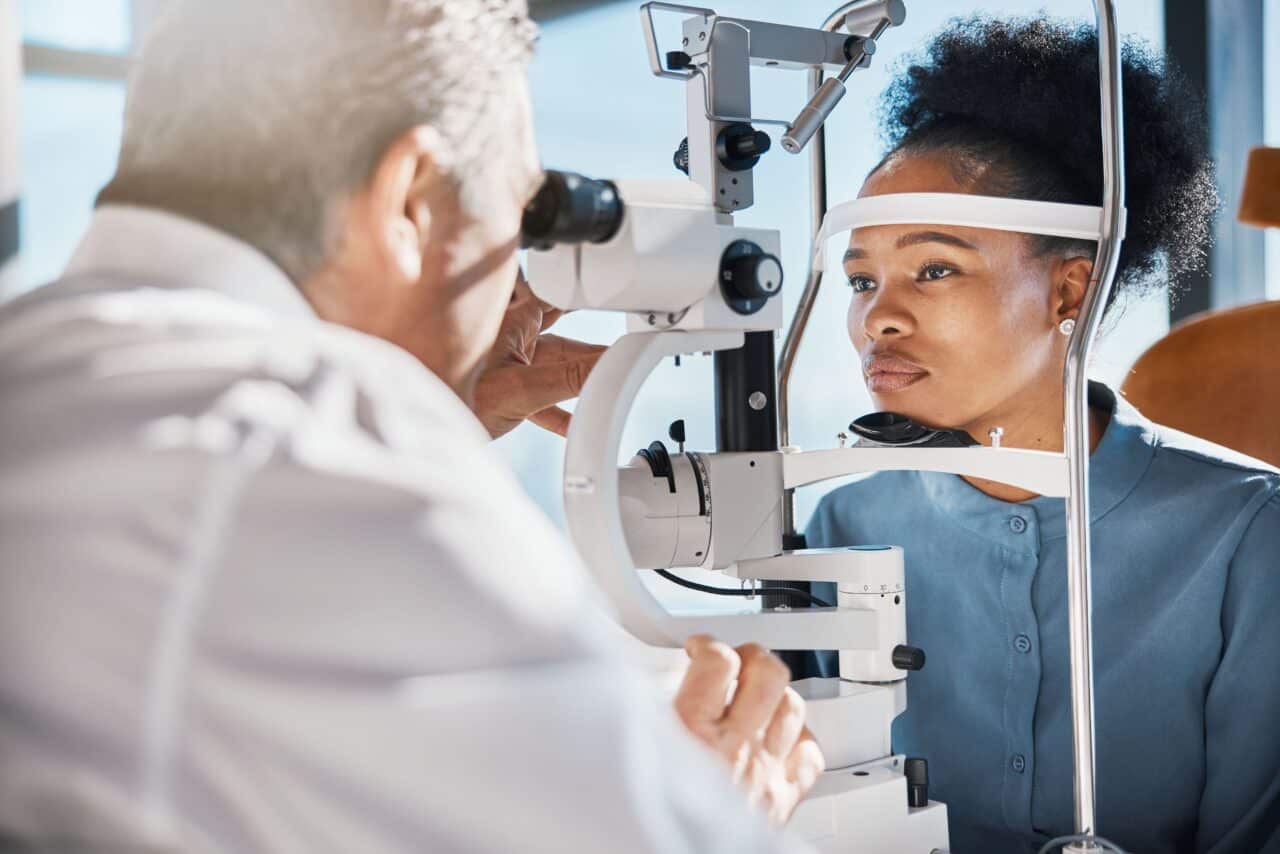
At a regular annual eye exam, you can expect a thorough check of your vision and overall eye health. The exam usually begins with a discussion of your medical history and any vision changes you’ve noticed. You’ll undergo a series of tests, including reading an eye chart, checking how your eyes move and focus, and measuring eye pressure to screen for glaucoma.
The eye doctor may also dilate your pupils using special drops to get a better view of the retina and optic nerve, helping to spot signs of conditions like diabetes or high blood pressure. The entire exam typically takes 30 to 60 minutes and is a simple but important step in maintaining both your eye and overall health.
9 Health Conditions That Can Be Detected by an Eye Exam
Many of these conditions can be managed or treated more effectively if detected early, and some may not show obvious symptoms until significant damage has already occurred. Routine eye exams not only help preserve vision but can also be a vital tool in identifying potentially life-threatening health issues.
1. Diabetes
An eye exam can detect diabetes by revealing early signs of damage to the blood vessels located within the retina. This damage is known as diabetic retinopathy. It occurs when high blood sugar levels weaken and harm the tiny blood vessels in the back of the eye.
2. High Blood Pressure (Hypertension)
Hypertension can cause hypertensive retinopathy, where the high blood pressure damages vessels in the retina. This can lead to vision problems and is often one of the first signs of uncontrolled hypertension. Regular eye exams help catch this condition early, before other symptoms appear.
3. Neurological Disorders
The eyes are directly connected to the brain, so certain neurological conditions can show signs in the eyes. Multiple sclerosis, brain tumors, and stroke can cause changes in the optic nerve or visual field. For example, damage to the optic nerve may be visible in cases of multiple sclerosis. An eye exam can provide critical clues for early diagnosis and intervention.
4. Thyroid Disease
Thyroid disorders, especially Graves’ disease, can affect the eyes, leading to bulging eyes, dryness, or irritation. An eye exam can detect changes in the eye’s appearance or the functioning of the muscles that control eye movement, signaling a thyroid issue.
5. Autoimmune Diseases
Certain autoimmune conditions, like lupus or rheumatoid arthritis, can affect the eyes, leading to inflammation or dryness. Eye exams may show signs of inflammation or damage that point to these systemic conditions, which often require coordinated care.
6. Cancer
Some types of cancer can be detected through an eye exam. For instance, retinoblastoma, a rare form of eye cancer in children, can be spotted early by an eye doctor.
The most common and classic sign of retinoblastoma is leukocoria, also known as white pupil or cat’s eye reflex. With this condition, the pupil appears white or yellowish when light shines on it, instead of the typical red reflex.
This can often be seen in flash photographs, where one eye reflects white instead of red. An eye doctor can detect this condition during a red reflex test or with the use of an ophthalmoscope. Additionally, cancers that spread (metastasize) to the eyes, such as breast cancer or lung cancer, can sometimes be seen in the retina.
7. Infectious Diseases
Certain infections, like HIV/AIDS, can cause eye issues such as cytomegalovirus retinitis, which can lead to blindness. CMV is a latent virus, meaning it can stay dormant in the body and reactivate when the immune system is compromised.
When reactivated in the eye, it infects the retinal cells, causing inflammation, necrosis (cell death), and ultimately, irreversible damage to vision if left untreated. Eye exams can identify these changes and allow for early intervention to preserve vision.
8. Cholesterol and Heart Disease
High cholesterol levels can lead to the development of arcus senilis, a grayish-white or blue ring around the cornea. It is often seen in older adults, but when found in younger people, it may signal underlying health issues like high cholesterol or lipid disorders. An eye exam can help detect this sign, prompting further cardiovascular investigation.
9. Kidney Disease
Chronic kidney disease (CKD) can affect the blood vessels in the eyes, leading to changes that an eye exam can reveal, such as retinal arteriolar narrowing, retinal hemorrhages, and swelling. The retina’s blood vessels can show signs of damage caused by kidney dysfunction, prompting further investigation and potential treatment.
Protect Your Health with New Vision Eye Center
Protect your vision, and your overall health, by scheduling a comprehensive eye exam at New Vision Eye Center. Our experienced team doesn’t just check your eyesight. We also look for early signs of serious health conditions, such as diabetes, high blood pressure, and high cholesterol, all of which can be detected through changes in the eyes.
Even if your vision seems fine, regular eye exams are a crucial part of preventive care. Don’t wait for symptoms to appear. Book your annual exam today and let New Vision Eye Center help you see clearly and stay healthy.