
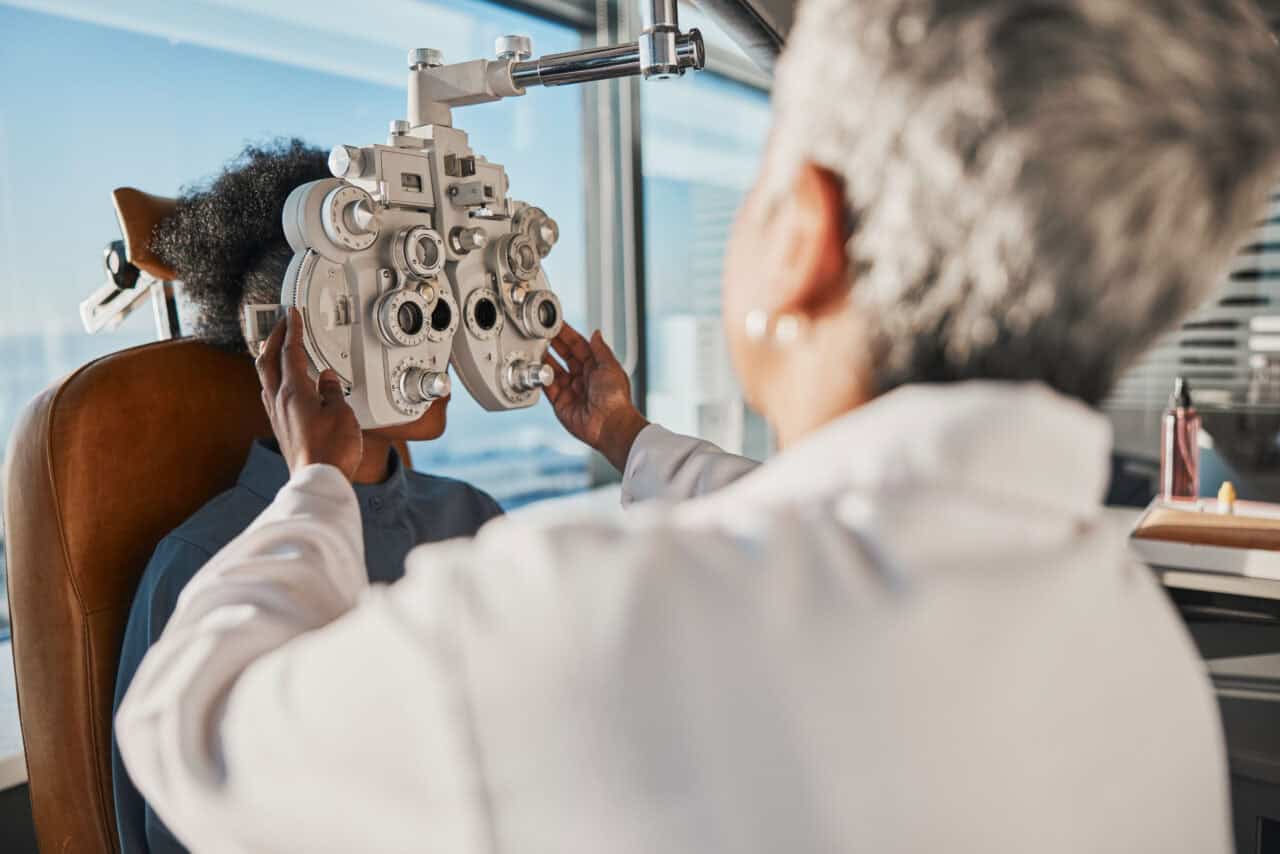
Our fast-paced lives make it easy to take your vision for granted. You might be missing quiet signals that your eyes need attention without realizing it. From subtle changes in vision to more noticeable discomforts, recognizing the signs that indicate a visit to the eye doctor is crucial for maintaining optimal eye health.
Whether it’s squinting to read a menu or experiencing persistent headaches after a day at the screen, these symptoms can serve as important reminders that it’s time for a comprehensive eye exam. Understanding these signs ensures clear vision and safeguards against potential underlying health issues.
How Often Should You Visit the Eye Doctor?
Visiting the eye doctor is essential not only for maintaining clear vision but also for detecting potential eye diseases or conditions early. Here are some signs that indicate you should schedule an appointment with an eye doctor.
Children and Teens
Eye exams aren’t just a way of knowing if your child needs glasses – they can be vital in preventative care. It’s important for young infants and children to receive an eye exam soon, as some early eye problems can affect vision for life.
It’s recommended that children have their first comprehensive eye exam at around six months of age, then again at age three, and before starting school. Afterward, they should have exams every 1-2 years unless otherwise recommended by an eye care professional.
Adults
For adults with no known vision problems, a comprehensive eye exam is typically recommended every 1-2 years, especially if you’re over 40. However, if you wear glasses or contact lenses, have a family history of eye disease, or have underlying health conditions like diabetes, more frequent visits may be necessary, as advised by your eye doctor.
Older Adults (60+)
The risk of age-related eye diseases such as cataracts, presbyopia, glaucoma, and macular degeneration increases as you age. Therefore, adults aged 60 and older should have eye exams annually or as recommended by their eye care provider.
Signs It’s Time to Visit an Eye Doctor
There are a variety of signs that it might be time for you to make an eye appointment. Whether you have noticed a change in your vision or simply can’t remember the last time you went to the eye doctor, here are some key indicators that it’s time to schedule that eye check-up.
1. Your Last Exam was more than 3 Years Ago
If you aren’t sure when the last time your eyes were checked, it’s probably time for a routine eye exam. If you are in good health, under sixty, and don’t have high-risk factors for eye conditions, you should see your eye doctor every one to two years.
Some eye conditions, such as glaucoma, often don’t have any noticeable outward symptoms, so it is essential to stay up-to-date with your exams. Regular visits allow your doctor to monitor your eye health and catch any signs of disease before it’s too late.
2. Pain or Other Symptoms
Pain, Irritation, or sensitivity could be the result of an injury or a serious condition. Persistent pain in or around your eyes or discomfort, such as itching, burning, or a feeling of pressure, could be signs of eye infections, dry eye syndrome, or other issues that require attention. For example, allergies are a common cause of itching, burning, and watery eyes, but it is an easily treatable condition, and your eye doctor can help provide you with relief.
3. Changes in Vision
If you notice sudden or gradual changes in your vision, such as blurry vision or difficulty seeing fine details, it could indicate refractive errors like nearsightedness, farsightedness, astigmatism, or even more serious conditions like cataracts. In addition, seeing double images when you should only see one can indicate problems with the alignment of your eyes (strabismus) or other underlying conditions.
4. Sensitivity to Light or Seeing Flashes
Seeing halos around lights or sudden flashes of light, particularly in your peripheral vision, could indicate retinal detachment or other serious conditions requiring immediate medical attention. If you find yourself excessively sensitive to light (photophobia), it may be a sign of various conditions, including inflammation, infection, or even neurological issues.
5. Difficulty Seeing at Night
If you have trouble seeing clearly at night or in low light conditions, it could be a sign of cataracts or other age-related vision changes.
6. Sudden Changes in Color Vision
If you suddenly experience changes in how you perceive colors, it could indicate various conditions, including optic nerve problems or retinal issues.
7. Gradual Loss of Peripheral Vision
This could be a sign of glaucoma, where the peripheral vision gradually diminishes without noticeable symptoms until significant damage has occurred. Often called the “silent blinder,” glaucoma is an example of a condition that can do irreparable damage if it isn’t caught early. Early detection and treatment for glaucoma are the most important factors for preventing further vision loss or blindness.
8. You Have an Underlying Condition
A few factors might put you more at risk for developing issues with your eyes. If there’s a family history of eye conditions such as glaucoma or macular degeneration, regular eye exams are crucial to detect early signs and manage risks effectively. Additionally, underlying conditions such as diabetes or high blood pressure can make you more likely to have vision problems.
Trust Your Vision to New Vision Eye Center
If you experience any of these signs or have concerns about your eye health, it’s essential to consult an eye care professional promptly. Early detection and treatment can help preserve your vision and prevent potential complications, and routine eye exams are the best way to ensure you’re monitoring your vision health.
Whether you need to schedule a routine eye appointment or are experiencing symptoms of a more serious problem, New Vision Eye Center is here for you. Our highly-trained professionals are board-certified and ready to help you take the next step in your vision health.
Contact us to set up an appointment today.