
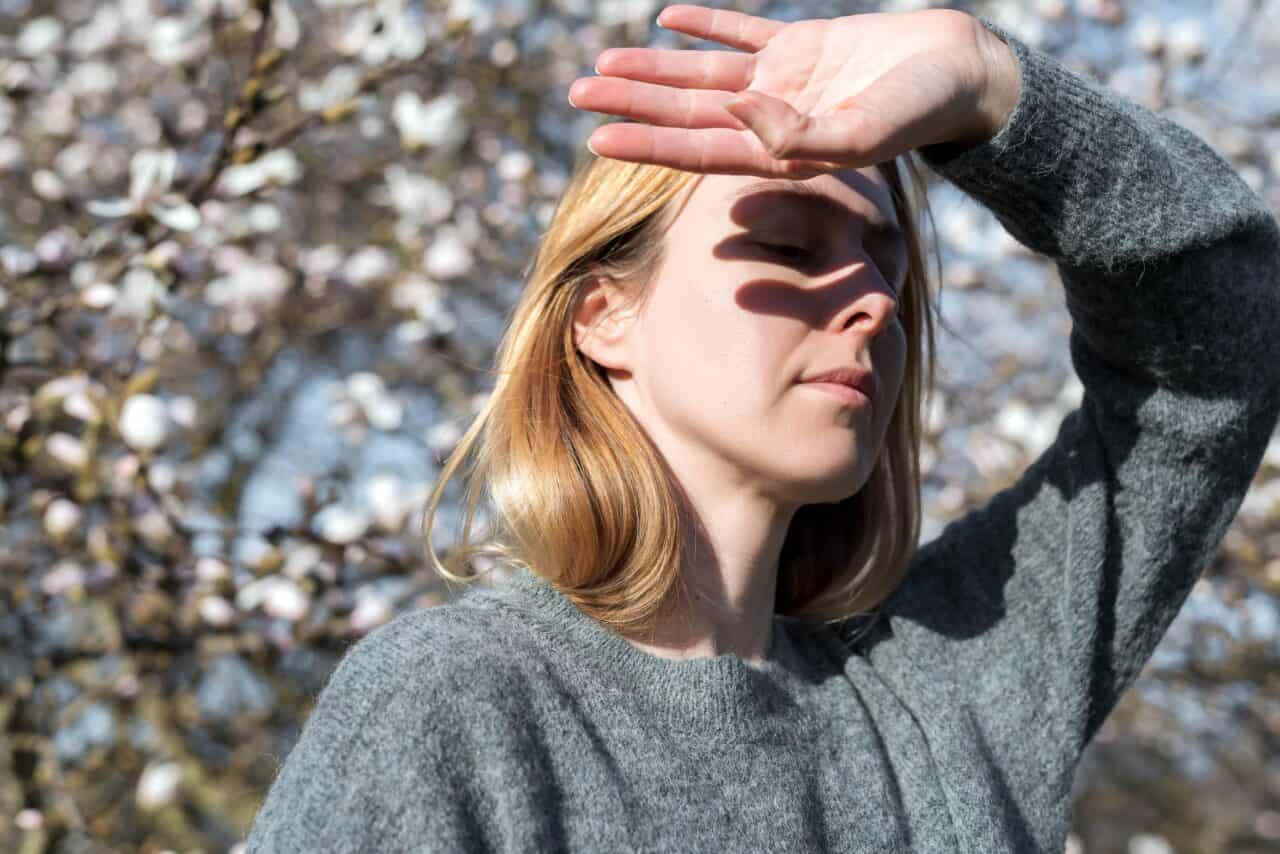
Light plays a significant role in how we interact with the world, guiding our routines, shaping our surroundings, and enabling us to see clearly. But for some people, even everyday light levels can feel overwhelming or uncomfortable. When bright light causes eye strain, discomfort, or pain, it’s often a sign of a condition known as photophobia.
Photophobia isn’t a disease itself, but a symptom that can point to a variety of underlying issues. From common eye conditions to neurological concerns, many different factors can heighten your sensitivity to light.
Understanding what’s behind that discomfort is the first step toward finding meaningful, lasting relief. This article will break down what photophobia is, what causes it, and how to diagnose and treat the underlying problem so you can get back to seeing comfortably again.
What is Photophobia?
Photophobia is a term often misunderstood because of its literal translation, “fear of light.” In a medical context, it has nothing to do with fear. Instead, it describes a heightened sensitivity or intolerance to light, particularly bright or intense light, that can lead to discomfort, eye strain, or even sharp pain.
This sensitivity can arise from a wide range of underlying issues. Many eye conditions, such as dry eye, corneal injuries, intraocular inflammation, or lens problems, can make bright light difficult to tolerate. Neurological conditions, including migraines, concussions, or certain infections, can also trigger photophobia because of the way they affect the nerves and pathways involved in vision.
Not all cases are linked to health conditions. Sometimes photophobia is temporary, such as when your pupils remain wide after being dilated during an eye exam, when you have spent long hours in front of screens, or when you are recovering from an illness that briefly irritates the eyes.
What Causes Photophobia?
Photophobia can develop for many different reasons. In some cases, the source is directly related to the eyes themselves. In others, the sensitivity originates from the brain or nervous system. Certain medications and even non-eye-related health conditions can also make your eyes unusually reactive to light.
Eye-Related Causes of Photophobia
Conditions involving the eyes are among the most frequent reasons people develop photophobia. Dry eye disease is the leading cause, but many other eye disorders can make bright light feel harsh or painful.
Some common eye conditions linked to increased light sensitivity include:
- Albinism
- Aniridia
- Astigmatism
- Conjunctivitis (Pink Eye)
- Corneal Disorders
- Exotropia
- Optic Neuritis
- Papilledema
- Retinitis Pigmentosa
- Strabismus
- Uveitis
Neurological Causes of Photophobia
Some cases of photophobia originate not in the eye but in the brain or nervous system, where light processing occurs. These issues can make even normal light levels feel overwhelming.
Neurological Causes include:
- Blepharospasm
- Thalamic Damage
- Menegitis
- Migraines
- Progressive Supranuclear Palsy
- Subarachnoid Hemorrhage
- Traumatic Brain Injury
Other Health Conditions Linked to Photophobia
Light sensitivity can also appear in connection with several general medical conditions or environmental factors, including:
- Allergies
- Chronic Fatigue Syndrome
- Fibromyalgia
- Mental Health Conditions
Medications That May Cause Photophobia
Certain prescription medications can change how the eyes react to light, either by dilating the pupils or altering neurological responses.
Drugs known to potentially contribute to photophobia include:
- Barbiturates
- Benzodiazepines
- Chloroquine
- Haloperidol
- Lithium
- Methylphenidate and related stimulants
- Tropicamide
Symptoms of Photophobia
People with light sensitivity may notice:
- Squinting or closing the eyes in normal lighting
- Frequent blinking
- Headaches triggered by bright environments
- Difficulty driving during the day
- Preference for dimly lit rooms or cloudy days
- Avoidance of outdoor activities because sunlight feels too intense.
Light Preferences and Lifestyle Adjustments
Because bright light can be physically uncomfortable or even painful, individuals with photophobia often make choices to avoid exposure when possible. These preferences may include:
- Favoring overcast or cloudy weather instead of bright, sunny days, as softer lighting feels less harsh.
- Spending more time in dim or softly lit rooms, avoiding spaces with intense lighting or direct glare.
- Choosing to go outdoors after sunset, when the lighting is more subtle and more manageable.
- Wearing sunglasses or hats indoors or outdoors, even when others do not find the light bothersome.
Diagnosing Photophobia
New Vision Eye Center providers diagnose photophobia by evaluating several factors and performing targeted examinations.
- A detailed medical and symptom history, which helps identify underlying conditions, medications, or recent events that might contribute to light sensitivity
- A comprehensive eye exam to look for issues affecting the cornea, retina, optic nerve, or other structures of the eye.
- A neurological assessment is performed when symptoms suggest a problem involving the brain or nervous system.
- Imaging tests, such as an MRI, may be ordered if the doctor suspects a neurological disorder, structural abnormality, or another internal cause.
Treatment Options Customized for Your Needs
Because Photophobia is often a symptom of another issue, it’s important to focus on treating the underlying cause. Depending on your diagnosis, treatment may include:
- Dry eye therapies such as prescription lubricants, gel, or advanced in-office solutions
- Anti-inflammatory eye drops, including steroids for uveitis
- Migraine-targeted medications such as triptans
- Botox therapy for blepharospasm
- Adjusting medications that may be contributing to sensitivity
- Lifestyle and light management recommendations
- FL-41 tinted lenses are a specialized rose-colored filter that reduces blue-light wavelengths known to worsen photophobia, providing relief for those sensitive to glare and fluorescent lighting
Take the First Step Toward Relief From Photophobia With New Vision Eye Center
At New Vision Eye Center in Vero Beach, we combine state-of-the-art technology, exceptional medical expertise, and a patient-centered approach to give you real, lasting relief. Our team understands that photophobia affects every part of your day, from working on a computer to enjoying times outdoors, and we are committed to helping you see and feel better.
If you are struggling with light sensitivity or any other vision concern, the team at New Vision Eye Center is here to help. Our team of specialists is committed to providing expert care, advanced diagnostics, and personalized treatment plans.
Whether you are seeking relief from photophobia or simply want to protect your long-term eye health, New Vision Eye Center is ready to support your vision every step of the way.
Contact us today to schedule your appointment or ask a question. Our friendly staff will guide you through the scheduling process and help you find an appointment time that works for you.