
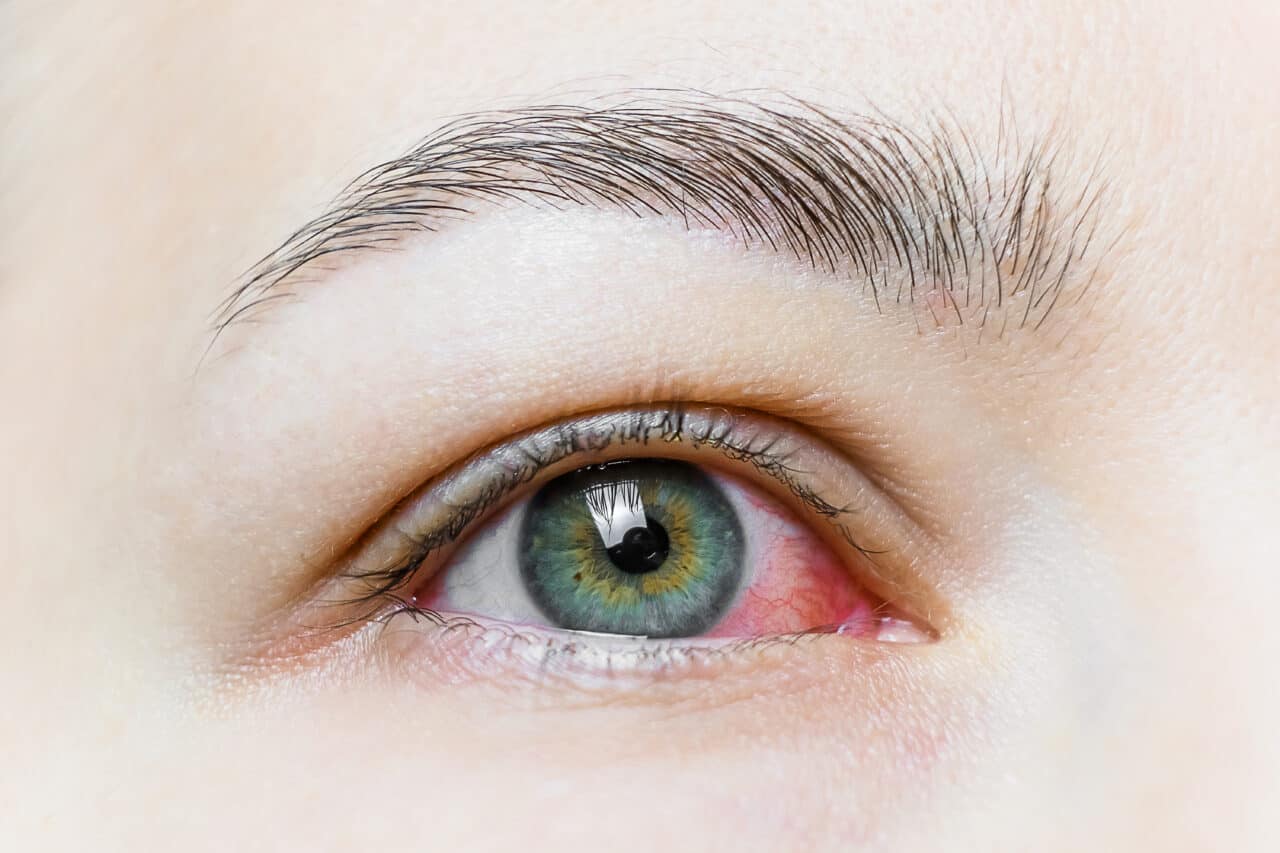
It may seem like dry eye symptoms are just a minor inconvenience, but they can actually have a more significant impact on your quality of life than you would think. More importantly, the signs of dry eyes might indicate a serious and harmful eye condition or chronic disease that requires medical attention.
This article answers some common questions about dry eye syndrome and discusses the complications, treatments, and prevention. With a more rounded understanding of dry eye syndrome, we hope to help you improve your condition and achieve a better quality of life.
What Is Dry Eye Syndrome?
Dry eye syndrome, also known as keratoconjunctivitis sicca, is a condition that causes eyes to be chronically dry. It occurs when either the eyes do not produce enough tears or the tears that are produced do not lubricate the eyes properly.
The oily layer of your tears produced by the meibomian glands in your eyelids can malfunction or become clogged, which is the cause of tears evaporating too quickly. Tears are necessary to keep your eyes healthy and comfortable, hydrating your eyes and helping remove debris.
Symptoms of Dry Eyes
- Feeling dry or scratchy
- Stinging or burning
- Blurred vision
- Sensitivity to light
- Red eyes
- Feeling like there is something caught in the eye
What Causes Dry Eye Syndrome?
Dry eye is a common condition that affects around 15% of all adults in the US. This increases with age and typically affects women more than men, but it can affect people of any age.
Dry eye syndrome has become an increasingly common issue due to our modern world. Here are a few factors that may contribute to dry eye syndrome.
- Long-time use of electronic devices and computer screens
- Hormone changes in menopause and pregnancy
- Contact lenses
- Blocked glands
- Infrequent blinking
- Contact lenses
- Environmental factors
- Medications
- Medical conditions
- Hormonal changes
- Aging
- Laser eye surgery
Medical Conditions That May Lead to Dry Eyes
Aside from the above causes, dry eyes also can be a sign of a more serious medical condition or chronic disease. Some medical conditions may reduce tear output and cause the uncomfortable symptoms of DES:
- Diabetes
- Rheumatoid arthritis
- Lupus
- Scleroderma
- Graft vs. host disease
- Sarcoidosis
- Vitamin A deficiency
- Corneal nerve desensitization
- Sjogren’s Syndrome
- Thyroid disease
Untreated Dry Eye Complications
You will find relief once you treat dry eye, and it can also prevent serious eye health complications. Some complications that may occur when your dry eye syndrome is overlooked are:
- Conjunctivitis — Inflammation of infection of the clear layer of cells that cover the whites of your eyes and the inner surface of your eyelid, also called the conjunctiva, can cause a contagious yellow discharge accompanied by ocular pain and redness.
- Keratitis — Inflammation of the cornea is known as keratitis. Left untreated, the cornea becomes affected, resulting in permanent vision loss and corneal scarring.
- Corneal ulcer — The cornea is the transparent, protective outer layer of our eyes. An open sore on this layer is known as a corneal ulcer. Corneal ulcers are commonly caused by an accident but may also be caused due to extreme dry eye. Corneal ulcers, luckily, can be treated with antibiotic eye drops. If these ulcers are not taken care of, they can spread and damage the eyeball, potentially causing partial or total blindness.
- Inability to wear contact lenses — If your eyes do not produce enough quality tears, contact lenses are not adequately moistened and cause a gritty sensation, discomfort, and redness of the eye. If there isn’t enough moisture, it may be difficult to remove your contacts as they may adhere to your eye. Standard contact lenses are unwearable for those who suffer from chronic dry eyes. However, there are some specialty contact lenses that may help lubricate your eyes.
- Difficulties reading or driving — Blurry vision may indicate you need a stronger contacts or glasses prescription, but it also may be a symptom of chronic dry eye syndrome. The blurriness may worsen as time goes on or even cause double vision, making working, reading, or driving nearly impossible.
Dry Eye Treatment
Many eye doctors can successfully treat dry eye syndrome once diagnosed. Doctors will recommend different treatments depending on the cause of a patient’s dry eyes.
Using over-the-counter and prescription eye drops can help soothe and treat dry eyes. Those with loose eyelids may need surgery to repair their eyelids to keep tears in their eyes.
Individuals with tears that drain too quickly require tear duct plugs, known as punctal plugs. With these special plugs that doctors insert in the tear duct, the eyes can stay moist by keeping tears in the eyes and draining them slowly.
Medications for Dry Eyes
Doctors may recommend these medications for your dry eye symptoms:
- Artificial tears
- Anti-inflammatory eye drops, like prednisolone, cyclosporin, or lifitegrast
- Serum eye drops
How to Prevent Dry Eyes
- Avoid smoke, wind, and air conditioning
- Limit your screen time on phones or computers and take frequent breaks
- Use a humidifier in your home to avoid dry air
- Drink 8-10 glasses of water per day
- Make sure to get at least 7-8 hours of sleep every night
- Wear protective wraparound glasses outside
Turn to New Vision Eye Center for Reliable Eye Care Near Vero Beach
Our eyes are essential for our everyday life. Dry eye syndrome can take a toll not only on our eyes but also on our overall well-being.
Constant discomfort due to chronic dry eyes can be a struggle to find relief, causing negative moods, anxiety, and psychological stress. With chronic dry eye left untreated, you can run into serious complications that may damage your eyes, so finding an eye doctor becomes vital to protect your eyes and vision.
When was your last eye exam? With chronic dry eyes, the sooner you make an appointment, the sooner you can find relief. At New Vision Eye Center in Vero Beach, we have highly skilled doctors who value your eye health and provide World-Class Eye Care™ in our patient-first environment. We utilize the latest technology and offer minimally invasive treatments to give you the best eye care possible.
Contact us today to find relief for dry eyes and carry on in your everyday life more confidently and comfortably.