
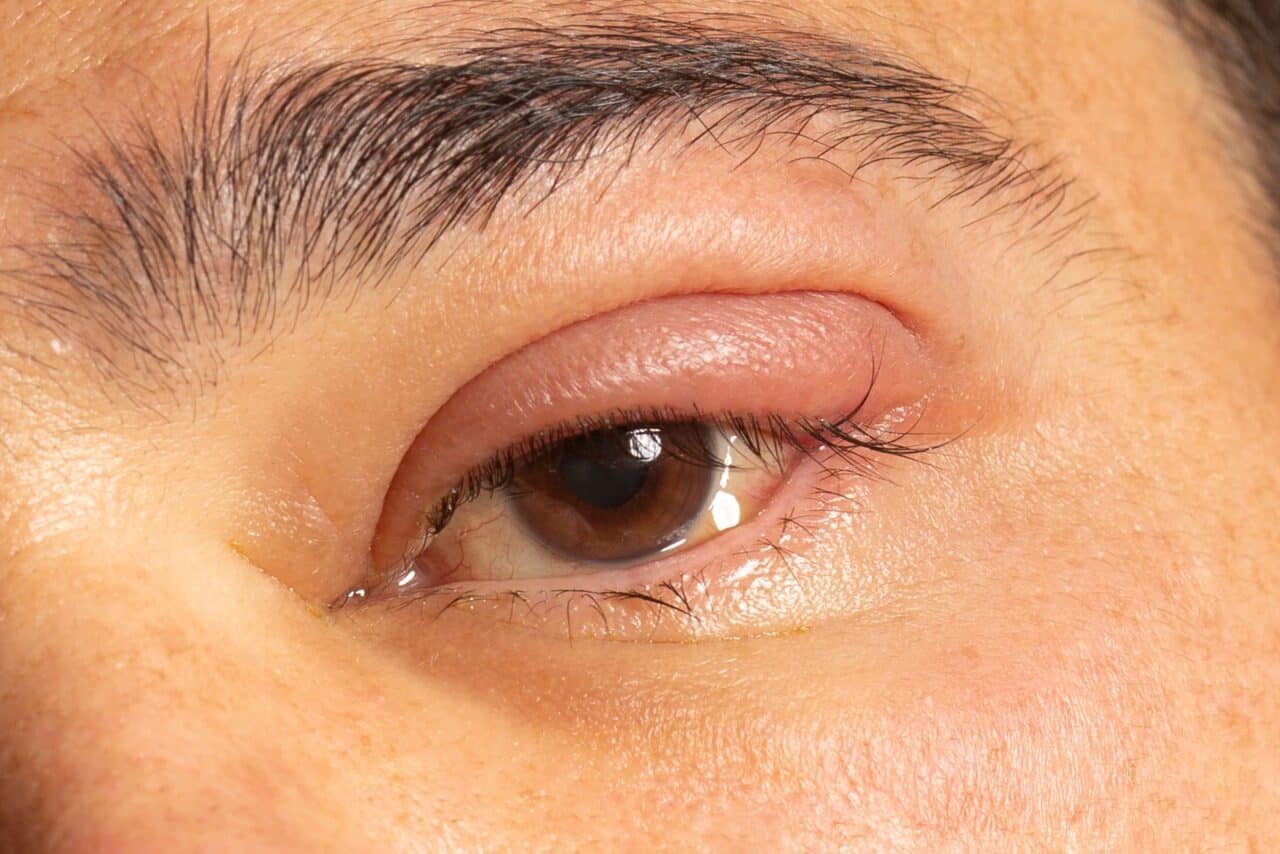
If your eyes frequently feel dry, gritty, irritated, or tired, you may assume you simply have dry eye. But for many people, especially older adults, the problem may begin at the eyelids. Blepharitis is one of the most common eyelid conditions and can contribute to ongoing eye irritation, unstable tears, and dry eye symptoms. Yet many patients have never heard of it.
Because the symptoms of blepharitis can resemble typical dry eye, allergies, or general eye irritation, it can go unnoticed for years. Understanding the connection between blepharitis, dry eye, and Meibomian Gland Dysfunction (MGD) can help you identify the underlying cause of persistent discomfort.
What Is Blepharitis?
Blepharitis is inflammation of the eyelids, particularly along the eyelid margins. It is a chronic condition that can fluctuate, with periods when symptoms improve followed by flare-ups. The condition is generally not sight-threatening, but untreated or severe cases can affect the ocular surface and cause significant discomfort.
There are two general forms of blepharitis:
- Anterior blepharitis affects the front portion of the eyelid around the eyelashes. It can be associated with bacteria, skin conditions such as seborrheic dermatitis, or flaky buildup around the lashes.
- Posterior blepharitis affects the inner portion of the eyelid and is closely associated with problems involving the Meibomian glands. These glands produce an oily substance called meibum, which forms part of the tear film and helps prevent tears from evaporating too quickly.
Because anterior and posterior blepharitis can occur together, identifying the specific factors affecting your eyelids is an important part of treatment.
What Causes Blepharitis?
There is not always one single cause. Blepharitis can develop due to the following:
- Bacteria and inflammation affect the eyelid margins
- Meibomian glands become blocked or dysfunctional
- Underlying skin conditions contributing to eyelid inflammation.
- Aging leads to changes in the Meibomian glands can make it more difficult for them to produce and release healthy oils
- Certain medications
- Environmental conditions
- Contact lens use
The Connection Between Blepharitis, MGD and Dry Eye
One reason blepharitis is so important to recognize is its close relationship with dry eye. A healthy tear film contains several components that work together to keep the eye’s surface comfortable and clear.
The oily outer layer, produced in part by the Meibomian glands, helps slow tear evaporation. When those glands are blocked, inflamed, or not functioning properly, the tear film can become unstable. This is where MGD can come into play.
MGD can cause changes in the quantity or quality of the oils released by the glands. When there is not enough healthy oil reaching the tear film, tears may evaporate too quickly, contributing to dry eye symptoms.
Blepharitis and MGD can therefore create a cycle of inflammation and tear-film instability. The eyelids become irritated, the glands may not function properly, the tear film becomes less stable, and the eyes become increasingly uncomfortable.
That means simply adding artificial tears may not address the entire problem. Artificial tears can provide relief, but if eyelid inflammation or gland dysfunction is contributing to the symptoms, treating those underlying issues may also be necessary.
What Does Blepharitis Feel Like?
Blepharitis can cause a wide range of symptoms, and they may vary from person to person. Symptoms may be particularly noticeable upon waking.
Some patients may also experience symptoms that come and go, making it easy to dismiss them as occasional dry eye or allergies. If your symptoms continue despite using over-the-counter eye drops or making changes to your environment, it may be worth having your eyelids and tear film evaluated.
Common symptoms to look for include:
- Burning or stinging
- Red or swollen eyelids
- Itchy or irritated eyes
- Gritty or sandy sensations
- Excessive tearing
- Crusting around the eyelashes
- Eyelids that stick together, particularly in the morning
- Fluctuating or blurred vision
- Increased sensitivity or general eye discomfort
How Is Blepharitis Diagnosed?
Diagnosing blepharitis generally begins with a comprehensive eye examination. Identifying the underlying cause is important because treatment is not necessarily the same for every patient. Your eye doctor can examine the eyelid margins, eyelashes, Meibomian gland openings, and ocular surface for signs of inflammation or dysfunction.
The examination can also help determine whether MGD, dry eye, allergies, or another condition may be contributing to your symptoms. Evaluating the tear film is particularly important because blepharitis and MGD can contribute to tear instability and increased evaporation.
How Is Blepharitis Treated?
Blepharitis is considered a chronic condition, so treatment generally focuses on controlling inflammation, improving eyelid health, and reducing symptoms rather than permanently eliminating the condition.
Treatment may begin with consistent eyelid hygiene and warm compresses. These measures can help loosen buildup around the eyelashes and soften oils within the Meibomian glands. Depending on the type and severity of blepharitis, your eye doctor may also recommend prescription medications or other therapies to address inflammation or infection.
For patients whose blepharitis is associated with MGD and dry eye, in-office treatments may be considered. Thermal therapies and other specialized treatments can help address blocked or dysfunctional Meibomian glands by applying controlled heat and, in some cases, helping express gland secretions.
Choose New Vision Eye Center for Comprehensive Eyelid and Dry Eye Care
When chronic dry, irritated, or gritty eyes are affecting your daily life, getting to the underlying cause matters. Blepharitis and Meibomian Gland Dysfunction can contribute to persistent dry eye symptoms, and treating the symptoms alone may not provide the long-term relief you need. A comprehensive evaluation can help determine what is really happening and which treatment options are appropriate for your eyes.
At New Vision Eye Center, patients receive personalized, comprehensive eye care from an experienced team that looks beyond the surface symptoms. Rather than simply treating discomfort, the team evaluates the health of your eyelids, Meibomian glands, tear film, and ocular surface to better understand the factors contributing to your symptoms. This thorough approach allows treatment recommendations to be tailored to your individual needs.
If you are tired of living with burning, irritation, redness, excessive tearing, or the constant feeling that there is something in your eyes, it may be time to take a closer look at the health of your eyelids. Schedule an appointment today to discover whether blepharitis or MGD could be behind your persistent symptoms.