
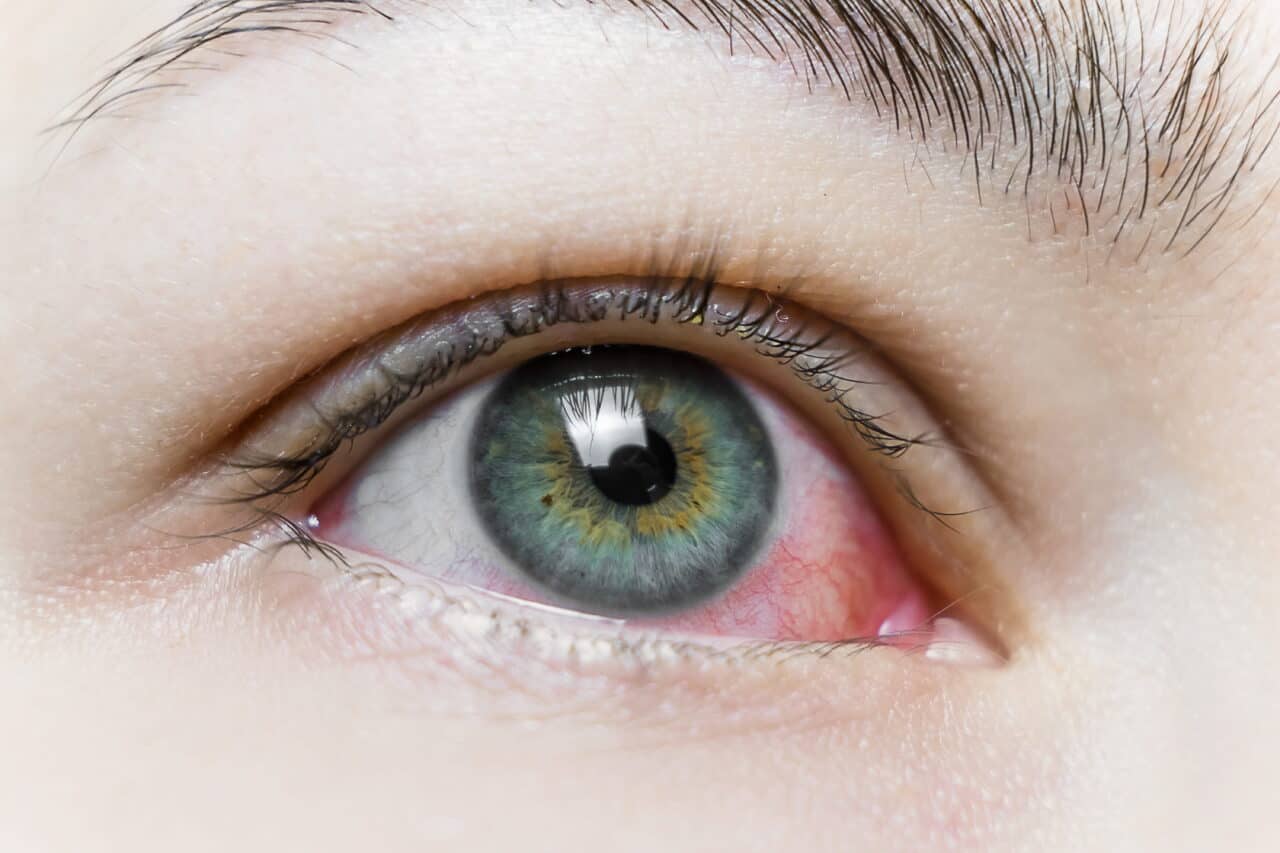
If your eyes constantly feel irritated, watery, or itchy, it can be difficult to pinpoint the cause. Two of the most common culprits, dry eye and eye allergies, often share similar symptoms, leading many people to misdiagnose their condition and use treatments that don’t quite work.
Understanding the difference between these two issues is essential for effectively relieving and protecting your long-term eye health. While both conditions affect the surface of the eye, they stem from very different causes and require distinct treatment approaches. This article will explore what you need to know to recognize the signs and take the right next steps.
Understanding Dry Eye
Dry eye occurs when your tear production is insufficient or when tears evaporate too quickly to keep the eyes properly lubricated. Tears are essential for keeping the surface of the eye lubricated, nourished, and protected. When this delicate balance is disrupted, discomfort and vision issues can follow.
Dry eye is frequently linked to factors such as aging, prolonged screen time, certain medications, environmental conditions (like wind or dry air), and underlying health issues. Common symptoms of dry eye include:
- As a gritty, sandy, or burning sensation
- Redness and irritation
- Blurriness and irritation
- Sensitivity to light
- Eye fatigue, especially after screen use
- A feeling like something is stuck in your eye
Ironically, dry eyes can also cause excessive tearing. This happens because the eye attempts to compensate for dryness by producing more tears, but these are often low-quality tears that don’t provide lasting moisture.
Understanding Eye Allergies
Eye allergies, or allergic conjunctivitis, develop when the eyes respond to irritants like pollen, dust mites, pet dander, or mold. When exposed to these triggers, the immune system releases histamine, leading to inflammation and irritation.
Typical symptoms of eye allergies include:
- Intense itching (a key distinguishing feature)
- Redness and swelling
- Watery eyes
- Puffy eyelids
- Burning sensation
- Sensitivity to light
Key Differences Between Dry Eye and Allergies
Although the symptoms can overlap, there are several important differences that can help you determine which condition you may be experiencing.
1. Itching vs. Burning
One of the clearest distinctions is the type of discomfort. Allergies typically cause intense itching, often making you want to rub your eyes frequently. Dry eye, on the other hand, is more commonly associated with burning, stinging, or a gritty sensation.
2. Type of Discharge
Allergies usually produce a watery or stringy discharge. Dry eye tends to cause minimal discharge or a thick, sticky feeling in the eyes, especially upon waking.
3. Triggers
Allergy symptoms are often linked to exposure to allergens and may come and go depending on the season or environment. Dry eye symptoms are more consistent and often worsen during activities like reading, driving, or using digital devices for extended periods.
4. Tear Production
While both conditions can cause watery eyes, the underlying cause differs. Allergies cause excessive tearing due to irritation, while dry eye causes reflex tearing as the eyes attempt to compensate for dryness.
5. Associated Symptoms
Allergies are often accompanied by other symptoms such as sneezing, nasal congestion, or a runny nose. Dry eye typically affects only the eyes and may also include vision fluctuations.
Why Proper Diagnosis Matters
Treating dry eye as if it were allergies, or vice versa, can lead to prolonged discomfort and frustration. For example, using antihistamine drops designed for allergies may actually worsen dry eye symptoms by reducing tear production. Similarly, relying solely on artificial tears won’t address the underlying immune response caused by allergens.
A proper diagnosis ensures that you receive the right treatment for your specific condition. At New Vision Eye Center, comprehensive eye exams help identify the root cause of your symptoms, allowing a personalized care plan to be created.
Treatment Options for Dry Eye
Managing dry eye typically involves improving tear quality and reducing evaporation. Common treatment options include:
- Artificial tears or lubricating eye drops
- Prescription medications to increase tear production
- Warm comprises and eyelid hygiene
- Lifestyle adjustments, such as taking breaks from screens
- Using a humidifier to add moisture to the air
- Nutritional supplements like omega-3 fatty acids
In more advanced cases, procedures such as punctual plugs may be recommended to help retain moisture on the eye’s surface.
Treatment options for Eye Allergies
Treating allergies focuses on reducing exposure to allergens and controlling the immune response. Options may include:
- Antihistamine or mast cell stabilizer eye drops
- Oral allergy medications
- Cold compresses to reduce swelling and itching
- Avoiding known triggers when possible
- Keeping windows closed during high pollen seasons
- Regularly cleaning bedding and air filters
For individuals with severe or persistent allergies, a healthcare provider may recommend additional therapies or allergy testing.
Can You Have Both Conditions?
Yes, it’s possible to experience both dry eye and allergies at the same time. In fact, allergies can sometimes worsen dry eye symptoms by increasing inflammation on the eye’s surface. This overlap can make it even more challenging to identify the root cause without a professional evaluation.
When both conditions are present, treatment may involve a combination of therapies to address each issue effectively.
When to See an Eye Doctor
If your symptoms persist, worsen, or interfere with your daily activities, it is time to seek professional care. You should schedule an eye exam if you experience:
- Ongoing redness or irritation
- Vision changes or blurriness
- Severe itching or discomfort
- Sensitivity to light
- Symptoms that don’t improve with over-the-counter treatments
Early Intervention can prevent complications and help you find relief sooner.
Finding Relief Starts with the Right Diagnosis
While dry eyes and allergies may feel similar at first, understanding their differences is key to choosing the right treatment and protecting your eye health. Paying attention to your symptoms, such as whether you are experiencing itching versus burning, or whether your discomfort is seasonal, can provide valuable clues.
However, the most reliable way to determine the cause of your symptoms is through a comprehensive eye exam. At New Vision Eye Center, our team is dedicated to helping you achieve clear, comfortable vision with personalized care tailored to your needs.
If you are tired of dealing with irritated eyes and aren’t sure what is causing your symptoms, don’t guess; get answers. With the right diagnosis and treatment plan, lasting relief is within reach.
Contact us today to schedule an appointment.