
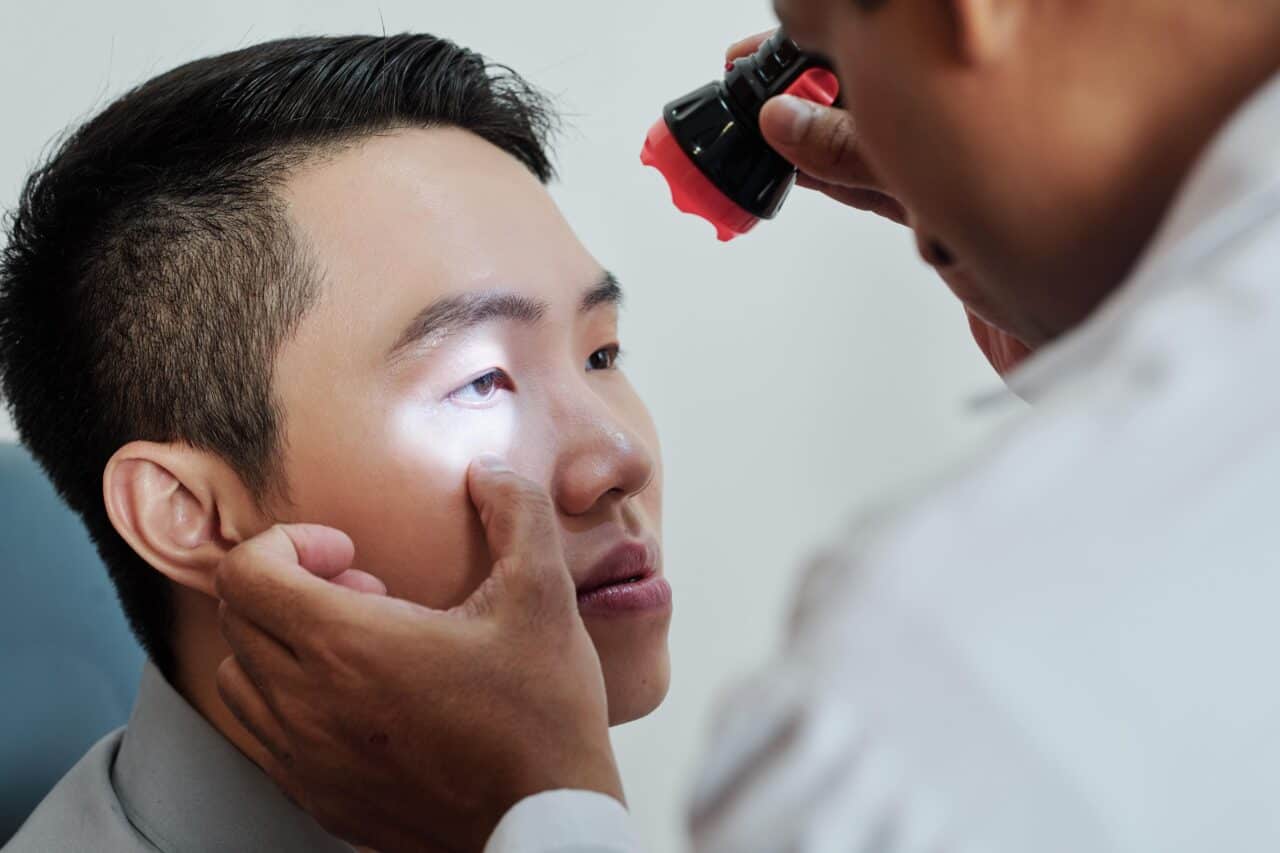
Meibomian Gland Dysfunction (MGD) is a common yet often overlooked cause of dry eye disease. Scientists estimate that as many as 70% of Americans over the age of 60 have this condition. These tiny glands, located in the eyelids, play an essential role in maintaining eye health by secreting oils that help stabilize the tear film and prevent rapid tear evaporation. When these glands become clogged or dysfunctional, it can lead to discomfort, irritation, and a range of visual disturbances.
Despite its prevalence, many people are unaware of MGD or may confuse it with other eye conditions. In this article, we’ll dive into what MGD is, its causes, symptoms, and the various treatments available to manage the condition effectively. Whether you’re experiencing persistent dry eyes or simply want to learn more about this condition, understanding meibomian gland dysfunction (MGD) can be the first step toward finding relief and improving your eye health.
Overview of Meibomian Gland Dysfunction
Meibomian Gland Dysfunction is a common eye condition in which the meibomian glands, located along the edges of the eyelids, become blocked or produce poor-quality oil. These glands are responsible for secreting the oily layer of the tear film, which prevents tear evaporation and maintains eye moisture. When the glands malfunction, it can lead to dry, irritated, or inflamed eyes and is a major contributor to dry eye disease.
Causes
The causes of MGD are varied, and often, multiple factors contribute to its development. Some primary causes include:
- Gland Blockage: The most common cause of MGD is gland blockage or narrowing of the meibomian glands, which are located in the eyelids. The blockage leads to reduced oil production and can cause symptoms of dry eye.
- Abnormal Meibum (Gland Secretions): The oil produced by the meibomian glands, known as meibum, can become thicker or more viscous due to various factors, including aging, hormonal changes, and certain medications.
- Inflammation: Chronic inflammation of the eyelids (blepharitis) or the meibomian glands themselves can damage the glands and impair their function. Bacterial overgrowth, autoimmune diseases, or allergic reactions can cause inflammation.
- Environmental Factors: External factors, such as dry air, wind, and air conditioning, can exacerbate MGD by accelerating tear evaporation. Individuals who are frequently exposed to these conditions, such as those working in air-conditioned offices or spending a lot of time in front of screens, may experience a higher incidence of MGD symptoms.
- Contact Lens Wear: Prolonged use of contact lenses can interfere with the natural production of tears and disrupt the normal function of the meibomian glands. Wearing contact lenses, especially for extended periods, can irritate the eyes and increase the risk of meibomian gland dysfunction (MGD).
- Lifestyle Factors: A diet low in omega-3 fatty acids may negatively impact the quality of tear film production and contribute to meibomian gland dysfunction. Smoking has also been linked to increased inflammation and reduced tear production, both of which can worsen MGD.
- Age: As people age, the meibomian glands can naturally lose function and become less efficient at producing the oils necessary to protect the tear film. This is a common contributor to MGD in older adults.
Symptoms
The symptoms of MGD can range from mild irritation to more severe discomfort, often mimicking those of other eye conditions, such as dry eye disease. Because MGD primarily affects the production of the oily layer of the tear film, its symptoms are closely linked to issues with tear stability and the moisture balance in the eyes.
- Dryness: A feeling of persistent dryness in the eyes is one of the hallmark symptoms of MGD. Since the meibomian glands produce the oil that prevents tears from evaporating too quickly, their dysfunction can lead to insufficient lubrication, resulting in dryness.
- Irritation or Gritty Sensation: People with MGD often report a sensation of something “in the eye,” similar to the feeling of sand or grit. This sensation is typically caused by an imbalance in the tear film resulting from insufficient oil production, which leads to a rough surface on the eye.
- Blurred Vision: Due to the instability of the tear film in individuals with MGD, vision may become blurred or fluctuate.
- Sensitivity to Light (Photophobia): People with MGD can be more sensitive to light. This is often related to the irritation and inflammation of the cornea, as well as the overall instability of the tear film, making it difficult for the eyes to handle bright or intense light.
- Eyelid Symptoms: In some cases, individuals with MGD may also notice symptoms affecting the eyelids. This can include crusting or flaking along the edges of the eyelids, especially in the morning. Other symptoms include eyelid swelling, redness, tenderness, or pain along the eyelid margin.
Treatment Options
Treatment options for MGD aim to restore normal function to the glands and improve the quality of the tear film. Treatment is often a stepwise process, starting with basic hygiene and progressing to more advanced options. You should see an eye care professional for a proper diagnosis and personalized plan.
Warm Compresses
Warm compresses can help soften the thickened meibum that clogs the glands. You can apply a warm, moist compress, such as a heated eye mask or a warm washcloth, to your closed eyelids for 10-15 minutes, one to two times daily.
Lid Hygiene
Gently scrubbing the eyelid margins with diluted baby shampoo or over-the-counter lid scrubs (e.g., Ocusoft, Avenova, Hypochlor) can help remove debris and bacteria from the lid margins.
Medications
Oral antibiotics, such as doxycycline or minocycline, can be used for their anti-inflammatory effects. They are often used in cases of chronic or severe conditions. Topical antibiotics or antibiotic-steroid combinations can also help.
Manual Meibomian Gland Expression
An eye care professional can clear the blocked glands by using special tools to manually express the oil.
Omega-3 Fatty Acid Supplements
Fish oil or flaxseed oil supplements can help improve meibomian gland function and reduce inflammation. Check with your doctor for the dosages.
Environmental and Lifestyle Modifications
You can make some environmental and lifestyle modifications to help with the symptoms of MGD, such as using a humidifier, limiting screen time, and avoiding exposure to smoke or wind.
Get Relief with New Vision Eye Center
If you’re dealing with dry eyes or blurry vision, you might have Meibomian Gland Dysfunction (MGD)—a common and treatable condition. At New Vision Eye Center, our experienced eye care team offers advanced diagnostic tools and personalized treatments, including in-office gland expression and cutting-edge therapies like LipiFlow and IPL. Don’t let discomfort impact your daily life—schedule an appointment today and start working toward clearer, more comfortable vision.