
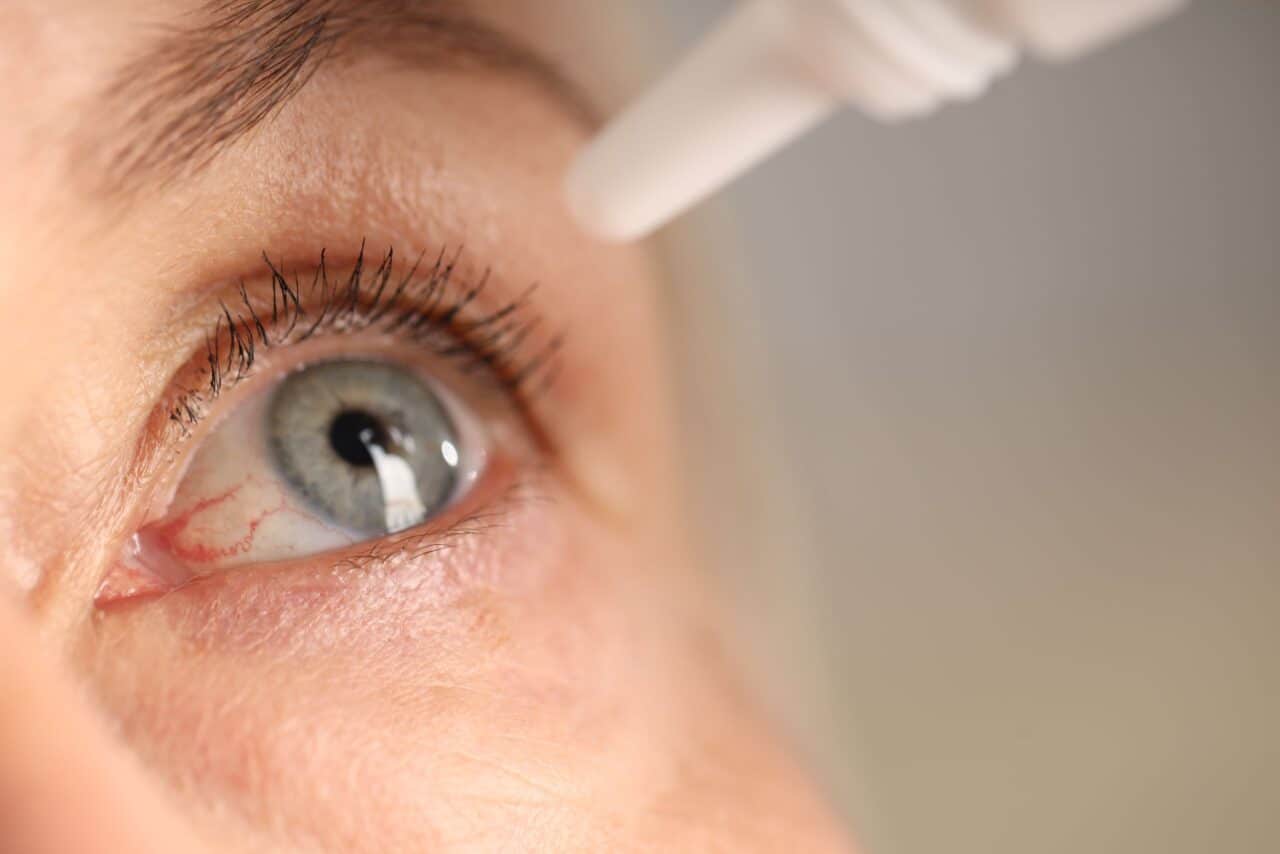
Dry eye syndrome is a common condition that affects millions of people every year. While occasional dryness can feel like a minor annoyance, chronic dry eye can seriously affect comfort, vision, and everyday quality of life. Many people experience burning, redness, blurry vision, or a gritty sensation in their eyes without realizing that dry eye syndrome may be the underlying cause.
Understanding what dry eye syndrome is, what causes it, and how it is treated can help individuals seek proper care before symptoms worsen. With today’s increased screen time, environmental irritants, and aging population, dry eye syndrome has become more common than ever.
What Is Dry Eye Syndrome?
Dry eye syndrome, also known as dry eye disease, happens when the eyes either don’t produce enough tears or the tears evaporate too quickly. It can range from mild irritation to a chronic condition that disrupts everyday activities such as reading, driving, working on a computer, or wearing contact lenses.
Tears are essential for maintaining healthy eyes and clear vision. They provide moisture, lubrication, and protection for the eye’s surface. When any part of this tear system is disrupted, dry eye symptoms can develop.
A healthy tear film consists of three layers:
- A thin oily layer that helps slow tear evaporation and keeps the eyes properly lubricated.
- A liquid layer that supplies essential moisture to keep the eyes hydrated and comfortable.
- A mucus layer that allows tears to spread smoothly and evenly across the surface of the eye.
Common Symptoms of Dry Eye Syndrome
Symptoms of dry eye syndrome can vary from person to person. Some individuals experience occasional discomfort, while others struggle with persistent irritation and vision problems.
Interestingly, watery eyes can actually be a symptom of dry eye syndrome. When the eyes become excessively dry, they may overproduce reflex tears to compensate for the irritation. However, these tears often do not provide long-lasting moisture.
Common symptoms of dry eye syndrome include:
- Burning or stinging eyes
- Redness
- Itchy eyes
- Blurry vision
- Sensitivity to light
- A gritty or sandy feeling in the eyes
- Excessive tearing
- Eye fatigue
- Difficulty wearing contact lenses
- Stringy mucus around the eyes
What Causes Dry Eye Syndrome?
There are several potential causes of dry eye syndrome. In many cases, multiple factors contribute to the condition.
Aging
One of the most common causes of dry eye syndrome is aging. Tear production naturally decreases over time, especially after age 50. Older adults are more likely to experience chronic dry eye symptoms due to hormonal changes and reduced tear quality.
Increased Screen Time
Digital eye strain has become a growing concern in today’s technology-driven world. Office workers, students, and remote employees often experience dry eye symptoms after spending long hours in front of screens.
People tend to blink less frequently when using computers, smartphones, or tablets for extended periods. Reduced blinking can cause tears to evaporate more quickly, leading to dryness and irritation.
Environmental Factors
Environmental conditions can also contribute to dry eye syndrome. These factors can increase tear evaporation and irritate the eyes.
Common triggers include:
- Wind
- Smoke
- Air conditioning
- Dry climates
- Indoor heating
- Allergens
- Dust exposure
Contact Lens Use
Wearing contact lenses for long periods may reduce moisture on the eye surface. Some contact lens users experience chronic dryness, discomfort, or irritation, especially when lenses are worn beyond the recommended timeframe.
Medical Conditions
Certain health conditions are associated with dry eye syndrome, including:
- Diabetes
- Rheumatoid arthritis
- Sjögren’s syndrome
- Thyroid disorders
- Lupus
- Blepharitis
Medications
Some medications may reduce tear production as a side effect. Patients experiencing eye dryness after starting a new medication should discuss symptoms with their healthcare provider.
Common medications linked to dry eye symptoms include:
- Antihistamines
- Decongestants
- Antidepressants
- Blood pressure medications
- Hormone replacement therapy
- Acne medications
Hormonal Changes
Hormonal fluctuations, particularly in women, may increase the risk of dry eye syndrome. Pregnancy, menopause, and hormonal changes related to aging can affect tear production and eye moisture.
Eye Surgery
Some individuals develop temporary dry eye symptoms after LASIK or other eye surgeries. In most cases, symptoms improve during recovery, but some patients may experience longer-term dryness.
Types of Dry Eye Syndrome
Dry eye syndrome generally falls into two primary categories.
Evaporative Dry Eye
Evaporative dry eye occurs when tears evaporate too quickly due to problems with the oil layer of the tear film. This is commonly linked to meibomian gland dysfunction, a condition affecting the oil-producing glands in the eyelids.
Aqueous Deficient Dry Eye
This type occurs when the eyes do not produce enough watery tears to maintain adequate moisture.
Some individuals experience a combination of both types.
How Dry Eye Syndrome Is Diagnosed
An eye doctor can diagnose dry eye syndrome through a comprehensive eye examination. Early diagnosis is important because untreated dry eye syndrome can lead to inflammation, damage to the eye surface, and increased risk of eye infections.
Diagnosis may involve:
- Reviewing symptoms and medical history
- Measuring tear production
- Evaluating tear quality
- Examining the surface of the eyes
- Assessing eyelid function
Treatment Options for Dry Eye Syndrome
Fortunately, several effective treatment options are available for dry eye syndrome. Treatment depends on the severity of symptoms and the underlying cause.
Artificial Tears
Over-the-counter artificial tears are one of the most common treatments for mild dry eye symptoms. These lubricating eye drops help restore moisture and reduce irritation. Preservative-free drops are often recommended for individuals who use eye drops frequently.
Prescription Eye Drops
For moderate-to-severe dry eye syndrome, prescription medications may help reduce inflammation and improve tear production. Some medications work by targeting inflammation that disrupts healthy tear function.
An eye care professional can determine whether prescription treatment is appropriate.
Warm Compresses and Eyelid Hygiene
Warm compresses can help unclog oil glands in the eyelids and improve tear quality. Regular eyelid cleaning may also reduce inflammation associated with blepharitis and meibomian gland dysfunction.
Lifestyle Changes
Simple lifestyle adjustments can significantly improve dry eye symptoms.
Helpful strategies include:
- Taking breaks during screen use
- Blinking more frequently
- Using a humidifier
- Staying hydrated
- Wearing sunglasses outdoors
- Avoiding smoke exposure
- Limiting direct airflow from fans or vents
- Follow the 20-20-20; every 20 minutes, look at something 20 feet away for at least 20 seconds
Nutritional Support
Some studies suggest that omega-3 fatty acids may support healthy tear production and reduce inflammation. Foods rich in omega-3s include salmon, walnuts, flaxseed, and sardines. Patients should speak with their healthcare provider before starting supplements.
Punctal Plugs
Punctal plugs are tiny devices inserted into the tear ducts to help keep tears on the eye surface longer. This treatment may be recommended for individuals with moderate or severe dry eye symptoms.
Advanced Dry Eye Treatments
In-office procedures may help patients with persistent or severe dry eye syndrome. These treatments can target blocked oil glands and improve tear film stability. An eye doctor can recommend the most appropriate treatment plan based on the patient’s condition and symptoms.
Can Dry Eye Syndrome Be Prevented?
While not all cases can be prevented, certain habits may reduce the risk of developing dry eye syndrome or minimize symptoms. However, people with chronic symptoms should not ignore ongoing irritation or blurry vision, as untreated dry eye syndrome may worsen over time.
Prevention tips include:
- Wearing protective eyewear in windy environments
- Staying hydrated
- Maintaining good eyelid hygiene
- Using artificial tears when needed
- Limiting screen time when possible
- Scheduling regular eye exams
When to See an Eye Doctor
Occasional eye dryness may not require medical attention, but persistent symptoms should be evaluated by an eye care professional. Prompt treatment can improve comfort, protect eye health, and prevent complications.
Individuals should schedule an eye exam if they experience:
- Ongoing eye discomfort
- Chronic redness
- Blurry vision
- Light sensitivity
- Difficulty wearing contact lenses
- Symptoms that interfere with daily life
Trust New Vision Eye Center for Your Dry Eye Treatment
Dry eye syndrome can impact your comfort, vision, and quality of life, but effective relief starts with the right diagnosis and care. While many treatments offer temporary improvement, long-term relief depends on identifying the root cause and creating a personalized treatment plan.
At New Vision Eye Center, patients receive comprehensive dry eye evaluations and advanced, targeted treatment options tailored to their specific needs. From mild irritation to chronic dry eye disease, their team focuses on long-term solutions that go beyond symptom relief to improve overall eye health.
If you’re experiencing ongoing dryness, burning, or blurry vision, contact us today to schedule an appointment.