An estimated 1.4 billion adults worldwide have hypertension, often without obvious symptoms. While many people understand the risks hypertension poses to the heart, brain, and kidneys, fewer realize it can also have a serious impact on their vision.
One of the most critical eye-related complications of uncontrolled high blood pressure is hypertensive retinopathy. Understanding this condition, its symptoms, and available treatments can help protect your eyesight and overall health. This article will provide you with the information you need to understand how hypertension affects your eyes and empower you to take proactive steps toward long-term eye health.
What Is Hypertensive Retinopathy?
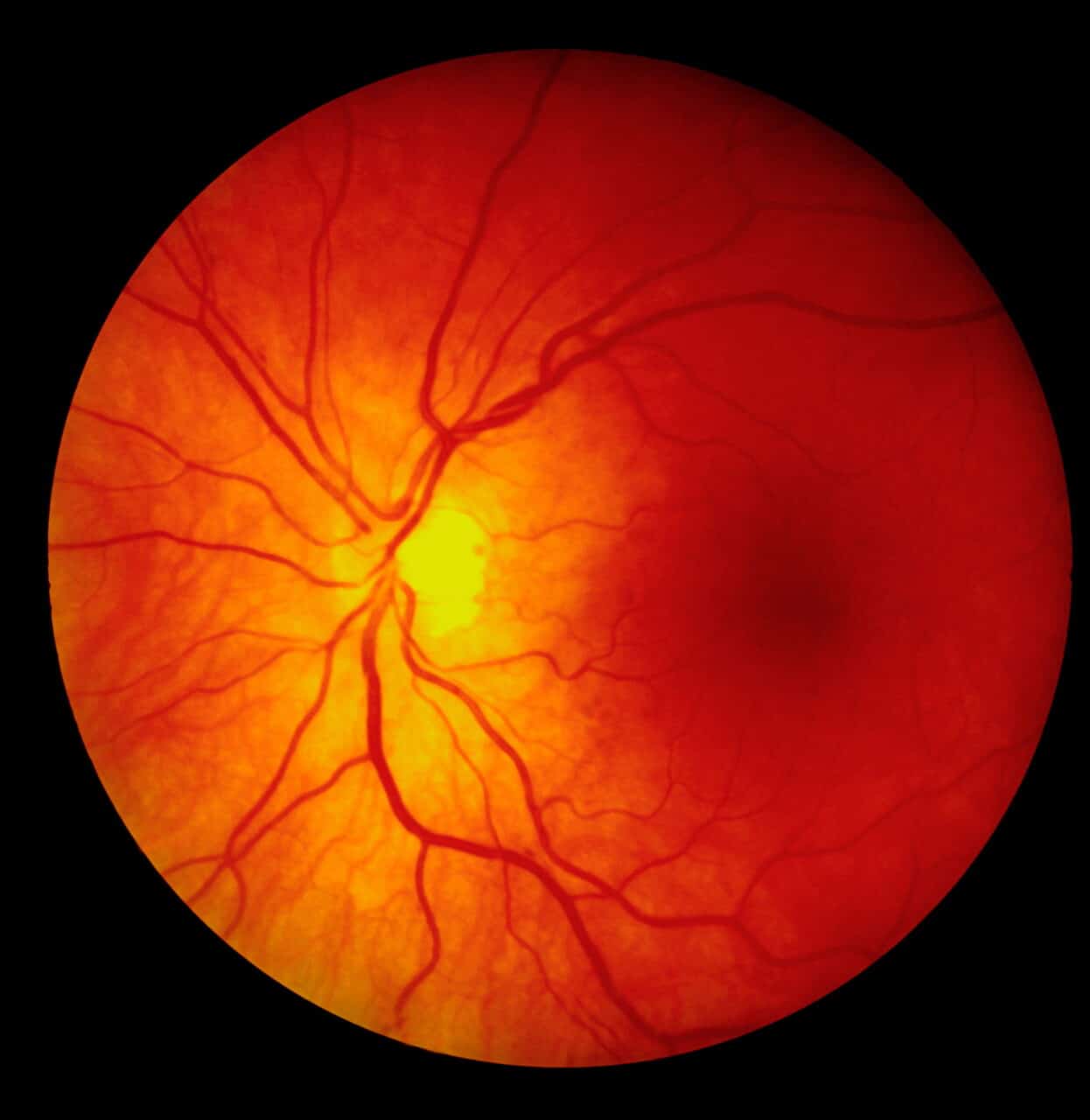
Hypertensive retinopathy occurs when high blood pressure damages the retinal blood vessels. The retina is the light-sensitive tissue lining the back of the eye and is responsible for sending visual information to the brain. Healthy retinal blood vessels are essential for clear vision.
Elevated blood pressure can cause retinal blood vessels to narrow, thicken, or leak. In severe cases, blood flow to the retina may be restricted, leading to swelling, bleeding, or damage to the optic nerve. These changes can impair vision and, if left untreated, may result in permanent vision loss.
How High Blood Pressure Affects the Eyes
Blood vessels throughout the body are affected by hypertension, and the eyes are no exception. The retina contains delicate blood vessels that are particularly sensitive to changes in blood pressure.
Chronic hypertension can cause:
- Narrowing of retinal arteries
- Thickening of vessel walls
- Reduced blood flow to the retinal tissue
- Leakage of fluid or blood into the retina
- Swelling of the optic nerve in advanced cases
These changes often develop gradually, which is why hypertensive retinopathy may go unnoticed in its early stages. Regular comprehensive eye exams play a crucial role in detecting these changes before vision is affected.
Stages of Hypertensive Retinopathy
Hypertensive retinopathy is commonly classified into stages based on severity. Understanding these stages highlights why early detection matters.
Mild Stage
In the earliest stage, retinal arteries may appear slightly narrowed. Most people do not experience noticeable vision changes at this point.
Moderate Stage
As the condition progresses, blood vessels may show more pronounced narrowing and changes at crossing points where arteries and veins interact. Small hemorrhages or fatty deposits may appear in the retina.
Severe Stage
Advanced hypertensive retinopathy can involve significant bleeding, swelling of the retina, and swelling of the optic nerve. Vision may become blurred or distorted, and the risk of permanent vision loss increases.
Symptoms to Watch For
One of the challenges of hypertensive retinopathy is that symptoms may not appear until the condition is advanced. Because symptoms often develop late, individuals with high blood pressure should not wait for vision changes before scheduling an eye exam.
When symptoms do occur, they may include:
- Blurred or dim vision
- Headaches associated with vision changes
- Reduced visual clarity
- Difficulty focusing
- Sudden vision loss in severe cases
Who Is at Risk?
Anyone with high blood pressure is at risk for hypertensive retinopathy, but certain factors can increase that risk, including:
- Poorly controlled or long-standing hypertension
- Diabetes
- High cholesterol
- Smoking
- Kidney disease
- Family history of cardiovascular disease
Age can also play a role, as blood vessels naturally become less flexible over time. However, hypertensive retinopathy can affect adults of any age, especially when blood pressure is uncontrolled.
How Hypertensive Retinopathy Is Diagnosed
A comprehensive eye exam is essential for diagnosing hypertensive retinopathy. At New Vision Eye Center, eye care professionals examine the retina with specialized instruments to detect characteristic changes in blood vessels.
Diagnostic tools may include retinal imaging and other advanced technologies that enable detailed visualization of retinal structure. In many cases, eye findings can provide valuable information about a patient’s overall cardiovascular health, making eye exams an essential part of managing systemic conditions such as hypertension.
Treatment and Management Options
There is no direct cure that reverses hypertensive retinopathy, but effective management focuses on controlling the underlying cause, high blood pressure. Treatment strategies may include:
Blood Pressure Control
Maintaining healthy blood pressure levels is the most critical step. This often involves lifestyle changes, medications prescribed by a primary care physician, or a cardiologist.
Managing Eye Health
Regular eye exams allow eye doctors to track changes in the retina and detect progression early. This is especially important for patients with moderate-to-severe disease.
Managing Related Conditions
Controlling diabetes, cholesterol levels, and other cardiovascular risk factors can help reduce further damage to retinal blood vessels.
Advanced Care for Complications
In severe cases where vision is threatened, your doctor may recommend additional treatments depending on associated retinal conditions. Early intervention offers the best chance of preserving vision.
The Connection Between Eye Health and Overall Health
One of the most critical aspects of hypertensive retinopathy is what it reveals about overall health. The retinal blood vessels are among the few places in the body where doctors can directly observe them without surgery. Changes seen in the eyes often reflect what is happening elsewhere in the body.
For this reason, eye exams can sometimes uncover signs of hypertension before other symptoms appear. Detecting hypertensive retinopathy may prompt further evaluation and help prevent serious complications such as stroke, heart attack, or kidney disease.
Preventing Hypertensive Retinopathy
Prevention begins with managing blood pressure and maintaining a healthy lifestyle. Steps that can help reduce the risk include:
- Attending regular medical checkups
- Following a heart-healthy diet
- Staying physically active
- Avoiding tobacco use
- Taking prescribed medications as directed
- Scheduling routine comprehensive eye exams
Protect Your Vision with New Vision Eye Center
Hypertensive retinopathy is a serious condition, but with early detection and proper management, vision loss can often be prevented. Whether you are managing high blood pressure or simply want to stay proactive about your eye health, comprehensive eye exams are a vital step.
Even if your vision seems clear, hypertensive retinopathy can be developing silently. Routine eye exams allow for early detection, often before symptoms begin. Early identification will enable patients and healthcare providers to adjust treatment plans and protect both vision and overall health.
At New Vision Eye Center, our goal is not only to care for your eyes but also to support your long-term wellness. By working collaboratively with your healthcare team, we help ensure that eye findings are addressed within the larger context of your health.
Contact us today to schedule an appointment and take an essential step toward protecting your vision and overall health.