Many people assume that if their vision seems clear, their eyes must be healthy. Unfortunately, some serious eye conditions develop silently, causing permanent damage before noticeable symptoms appear. One of the most common examples is glaucoma, often called the “silent thief of sight.”
Regular eye pressure checks play a critical role in protecting long-term vision health by helping eye doctors detect glaucoma early and prevent vision loss. Since glaucoma-related damage is irreversible, early diagnosis and treatment are essential for preserving eyesight. Understanding the importance of routine eye pressure testing can help individuals take proactive steps to protect their vision for years to come.
What Is Eye Pressure?
Eye pressure, also called intraocular pressure (IOP), is the pressure exerted by the fluid inside the eye. The eyes continuously produce and drain fluid to maintain healthy pressure levels. When this process becomes unbalanced, pressure inside the eye can increase.
High eye pressure is one of the leading risk factors for glaucoma, a group of eye conditions that can damage the optic nerve and lead to vision loss. The optic nerve is responsible for sending visual information from the eye to the brain, making it essential for clear vision.
Although high eye pressure does not always lead to glaucoma, it significantly increases the risk. In some cases, glaucoma can even develop when eye pressure falls within a normal range. This is why comprehensive eye exams are so important.
Why Glaucoma Is Often Difficult to Detect
One of the most dangerous aspects of glaucoma is that it usually develops gradually and without pain. Most forms of glaucoma, particularly open-angle glaucoma, cause no obvious symptoms in the early stages.
Vision loss often begins in the peripheral vision, making it difficult for people to notice changes right away. By the time symptoms become noticeable, permanent optic nerve damage may have already occurred.
Because glaucoma progresses slowly and silently, many individuals do not realize they have the condition until significant vision loss has taken place. Regular eye pressure checks allow eye care professionals to identify warning signs before the disease advances.
The Connection Between Eye Pressure and Glaucoma
While glaucoma can have several contributing factors, elevated intraocular pressure remains one of the strongest risk indicators. When intraocular pressure becomes too high, signs of damage appear in the optic nerve fibers.
Over time, this pressure damages the nerve, gradually reducing vision. Left untreated, glaucoma can eventually lead to blindness.
Routine pressure testing helps eye doctors monitor changes that may indicate the development or progression of glaucoma. If elevated pressure is detected early, treatment for glaucoma can often slow or prevent vision loss.
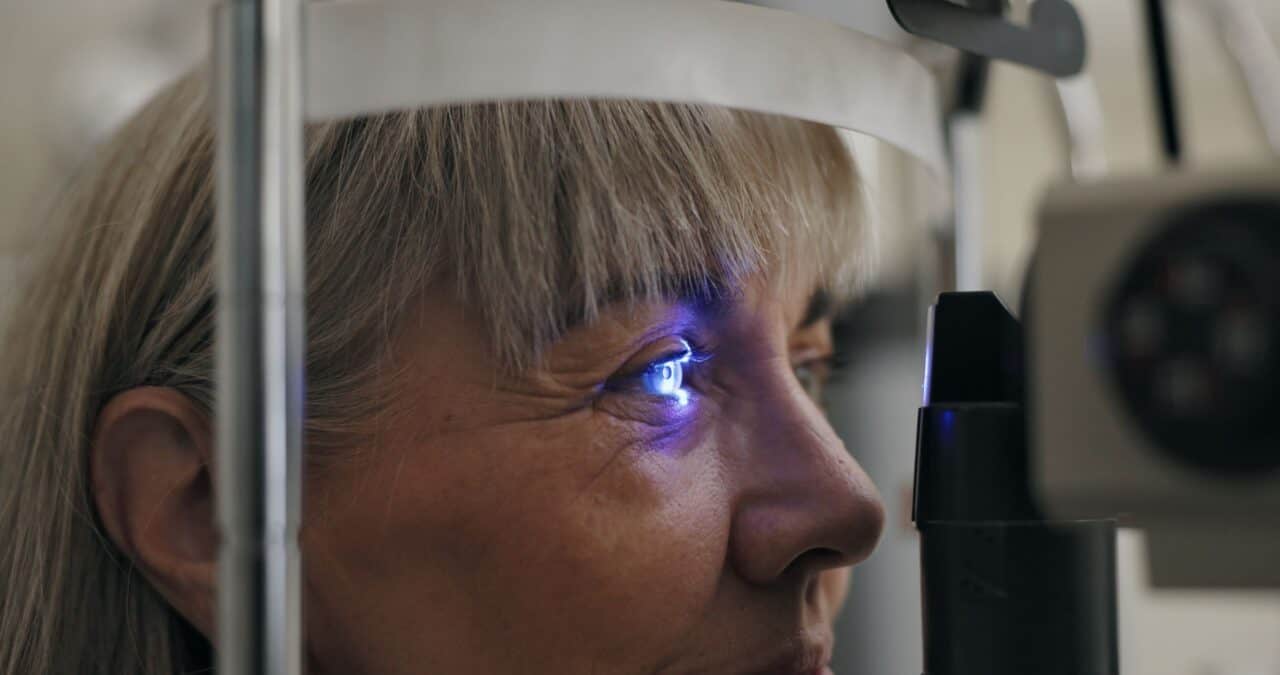
How Eye Pressure Is Checked
Many people avoid eye exams because they worry that testing will be uncomfortable. Fortunately, eye pressure checks are quick, painless, and routine.
Eye doctors commonly use a test called tonometry to measure intraocular pressure. Several methods may be used, including:
Air Puff Test
The air puff test uses a brief puff of air to estimate eye pressure. Although some people find it surprising, the test is fast and does not involve direct contact with the eye.
Applanation Tonometry
This method uses a small instrument to gently measure pressure on the eye’s surface after numbing drops are applied. It is considered one of the most accurate methods of measuring intraocular pressure.
Additional Glaucoma Screening Tests
If glaucoma is suspected, the eye doctor may also perform additional evaluations. These tests help determine whether optic nerve damage is occurring and guide treatment decisions.
Some other tests may include:
- Optic nerve imaging
- Peripheral vision testing
- Corneal thickness measurements
- Retinal examinations
- Drainage angle assessments
Who Is Most at Risk for Glaucoma?
Although anyone can develop glaucoma, certain individuals face a higher risk and should prioritize regular eye exams and pressure checks. People with one or more risk factors may need more frequent eye exams to closely monitor changes.
Risk factors include:
- Being over age 40
- Family history of glaucoma
- High eye pressure
- High blood pressure
- Diabetes
- Severe nearsightedness
- Long-term steroid medication use
- Previous eye injuries
- African American, Hispanic, or Asian heritage
How Often Should You Have Your Eye Pressure Checked?
The frequency of eye exams depends on age, health history, and individual risk factors. Regular screenings are especially important because glaucoma damage cannot be reversed once it occurs.
General recommendations include:
- Adults Under 40 — Healthy adults under 40 should typically have comprehensive eye exams every two to four years.
- Adults Ages 40 to 54 — Eye exams every 1 to 3 years are often recommended because the risk of glaucoma increases with age.
- Adults Over 55 — Individuals usually receive eye exams every one to two years, even if no vision problems are present.
- High-Risk Individuals — People at elevated risk for glaucoma may need annual or more frequent eye pressure monitoring, as advised by their eye doctor.
Early Detection Makes Treatment More Effective
One of the biggest reasons routine eye pressure checks matter is that glaucoma treatment works best when started early. Although glaucoma cannot currently be cured, treatment can often slow or stop further damage.
Early intervention may preserve useful vision for life. When glaucoma is detected early, many patients maintain stable vision for decades with proper management.
Common glaucoma treatments include:
- Prescription Eye Drops — Medicated eye drops are often the first-line treatment. They help lower eye pressure by reducing fluid production or improving drainage.
- Laser Therapy — Laser procedures can improve fluid drainage and lower intraocular pressure.
- Surgery — In more advanced cases, intraocular pressure can be reduced by creating new drainage pathways.
The Importance of Comprehensive Eye Exams
Eye pressure testing alone is not enough to diagnose glaucoma. Some individuals with elevated eye pressure never develop optic nerve damage, while others develop glaucoma despite normal pressure levels. This is why comprehensive eye exams are essential.
A full evaluation allows eye doctors to assess the overall health of the eyes and detect subtle changes that may indicate early glaucoma. Routine eye care plays a major role in maintaining lifelong vision health.
Comprehensive exams can also uncover other vision-threatening conditions, including:
- Cataracts
- Macular degeneration
- Diabetic retinopathy
- Retinal tears
- Dry eye disease
Signs You Should Schedule an Eye Exam Immediately
Even though glaucoma often develops without symptoms, some warning signs should never be ignored. Acute glaucoma emergencies require immediate medical attention to prevent permanent damage.
Seek prompt eye care if you experience:
- Sudden blurry vision
- Eye pain or pressure
- Halos around lights
- Loss of peripheral vision
- Redness in the eye
- Severe headaches with vision changes
- Sudden vision loss
Protecting Your Vision Starts With Prevention
Many people delay eye exams because they feel their vision is “good enough.” However, clear vision does not always mean healthy eyes.
Regular eye pressure checks are one of the simplest and most effective ways to detect glaucoma early and protect long-term eyesight. Since glaucoma damage is permanent, prevention and early treatment are critical. Scheduling routine eye exams allows eye doctors to monitor changes over time, identify risk factors, and begin treatment before significant vision loss occurs.
Protect Your Vision with Expert Care at New Vision Eye Center
Glaucoma can cause irreversible vision loss without warning, which is why regular eye pressure checks and comprehensive eye exams are so important. Early detection is the best way to slow or prevent damage and protect your long-term sight.
At New Vision Eye Center, patients receive advanced glaucoma screening, accurate eye pressure testing, and personalized care focused on prevention and early intervention. Their experienced team is committed to detecting issues early and helping you maintain healthy vision at every stage of life.
Don’t wait for symptoms to appear. Contact us today to schedule your eye exam and take a proactive step toward protecting your sight.