
Glaucoma is a leading cause of irreversible blindness worldwide, yet it often progresses silently, with few noticeable symptoms in its early stages. By the time vision loss occurs, significant damage may already have been done to the optic nerve, making early detection and treatment critical.
However, a glaucoma diagnosis isn’t a death sentence for your vision. There are effective strategies to prevent vision loss from glaucoma, including early diagnosis, lifestyle adjustments, and medical interventions. Whether you’re at risk or have already been diagnosed, understanding how to manage glaucoma can make a life-changing difference in preserving your sight.
What is Glaucoma?
Glaucoma is a group of eye diseases that damage the optic nerve, the crucial pathway that transmits visual information from the retina to the brain. The condition is most commonly associated with elevated intraocular pressure (IOP), although some individuals can develop glaucoma despite having normal IOP. The damage to the optic nerve is often gradual and painless, making it difficult for individuals to notice until significant vision loss has occurred. Due to this silent progression, glaucoma is usually referred to as the “silent thief of sight.”
Treatment Options
While there is no cure for glaucoma, effective treatments exist to manage the condition and prevent further damage. The primary goal of treatment is to lower intraocular pressure, either through medication, laser therapy, or surgery.
Prognosis
The prognosis for people with glaucoma depends largely on early detection and treatment. If glaucoma is diagnosed early and managed properly, most individuals can maintain their vision and lead relatively normal lives. However, without treatment, the disease can cause irreversible damage to the optic nerve, leading to significant vision loss or blindness. Regular eye exams, especially for those at higher risk, are crucial for early detection.
While treatments can manage glaucoma and prevent further vision loss, they typically cannot restore vision that has already been lost. Therefore, the emphasis is on avoiding progression through ongoing care. By adhering to prescribed treatments and regular monitoring, individuals with glaucoma can often preserve their vision for many years, avoiding the worst effects of the disease.
Preventing Vision Loss from Glaucoma
If you’re diagnosed with glaucoma, it’s essential to follow your treatment plan carefully, including using prescribed eye drops consistently and attending follow-up appointments. Maintaining a healthy lifestyle can also support eye health—this includes managing chronic conditions like diabetes and high blood pressure, exercising regularly, eating a diet rich in antioxidants, and avoiding smoking. Protecting your eyes from injury and UV light can also be beneficial. While glaucoma can’t be prevented entirely, these steps can significantly reduce the risk of vision loss and help preserve your sight for as long as possible.
Early Detection is Key
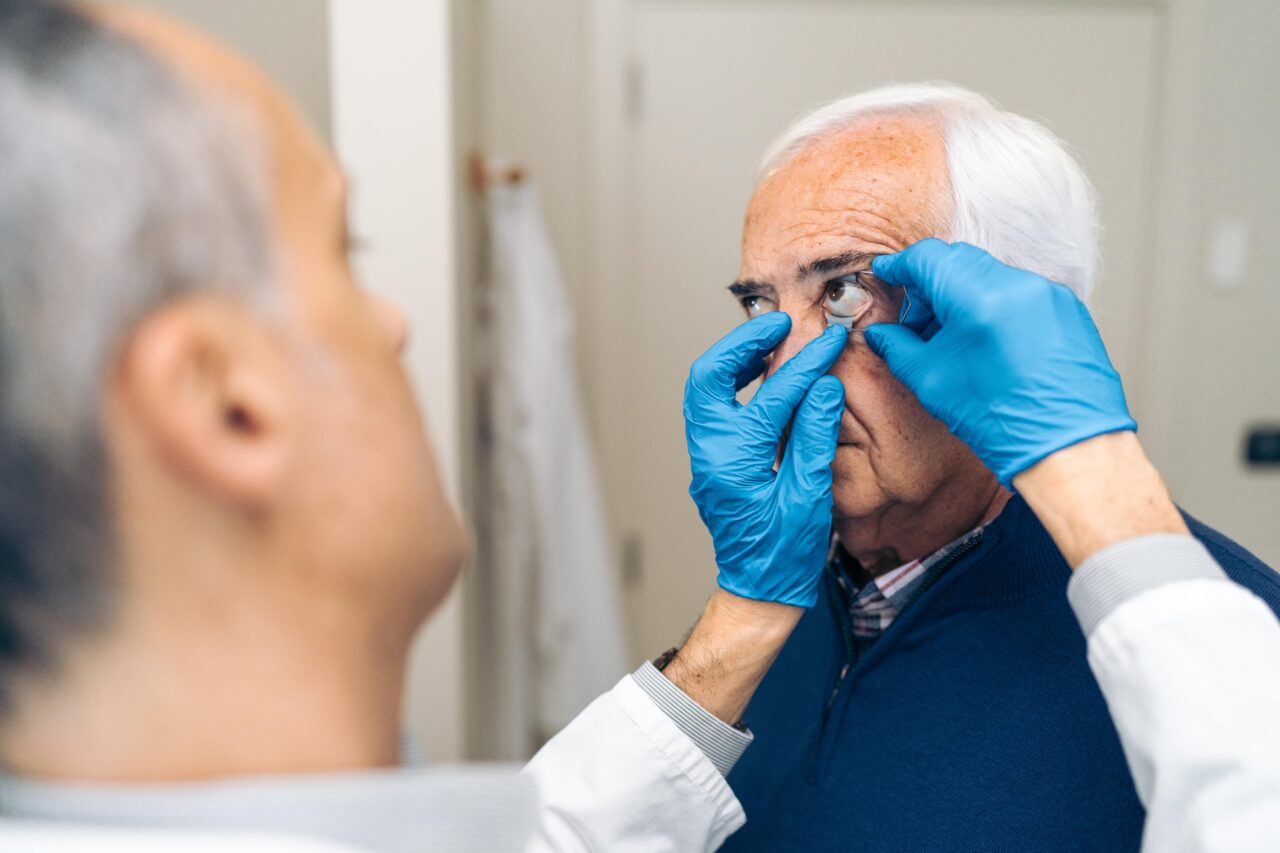
Early detection of glaucoma is crucial for preventing vision loss, as it enables timely intervention when the damage to the optic nerve is still minimal or manageable. Since glaucoma often develops with few or no noticeable symptoms—especially in its early stages—many people don’t realize they have it until significant damage has already occurred. However, regular eye exams can catch glaucoma early, when treatments are most effective at slowing or halting its progression.
Know the Risks of Steroids
Steroids, particularly corticosteroids, can be a significant risk factor for glaucoma because they can increase intraocular eye pressure. When steroids are used, whether in the form of eye drops, oral medications, injections, or topical creams near the eyes, they can interfere with the normal outflow of aqueous humor, the fluid inside the eye. This buildup of fluid raises IOP, which, over time, can damage the optic nerve and lead to glaucoma.
Some individuals, known as “steroid responders,” are susceptible to this effect and may experience a sharp increase in IOP even with short-term use. Prolonged or uncontrolled elevated IOP significantly raises the risk of developing open-angle glaucoma, the most common form of the disease.
Know if You’re at Risk
Certain groups of people are at a higher risk of developing glaucoma due to a combination of genetic, demographic, and health-related factors. Individuals over the age of 60 are more susceptible, with the risk increasing further with each decade of life. African Americans are significantly more likely to develop glaucoma at a younger age and with more severe progression compared to other racial groups. People of Hispanic or Asian descent also face elevated risks, particularly for specific types of glaucoma.
A family history of glaucoma greatly increases one’s chances, suggesting a strong genetic component. Additionally, those with certain medical conditions, such as diabetes, high blood pressure, or extreme nearsightedness (myopia), are more vulnerable. Long-term steroid use and previous eye injuries can also contribute to increased risk. Because glaucoma often has no early symptoms, individuals in these high-risk groups should undergo regular eye examinations for early detection and management.
Protect Your Eyes
Protecting your eyes from ultraviolet (UV) light may help reduce the risk of developing certain types of glaucoma by minimizing UV-related damage to eye tissues. Prolonged exposure to UV rays can contribute to oxidative stress and damage within the eye, including the lens, cornea, and trabecular meshwork—the drainage system responsible for maintaining normal eye pressure. Damage to this system can interfere with fluid outflow, potentially leading to elevated intraocular pressure, a significant risk factor for glaucoma.
Wearing sunglasses that block 100% of UVA and UVB rays, as well as wide-brimmed hats when outdoors, can help shield the eyes from harmful radiation. While UV exposure is not the most direct cause of glaucoma, limiting it is part of overall eye health and may help reduce the cumulative risk, especially when combined with other preventive strategies.More stuff
Follow Your Doctor’s Instructions
Using prescribed eye drops as directed is one of the most effective ways to reduce vision loss from glaucoma. These medications work by either decreasing the production of aqueous humor or improving its outflow, which helps lower intraocular pressure, the main factor that damages the optic nerve in glaucoma. By consistently maintaining a lower IOP, eye drops can slow or even halt the progression of optic nerve damage, preserving the remaining vision.
Since vision loss from glaucoma is often permanent and can occur gradually without noticeable symptoms at first, using eye drops regularly—even when vision appears normal—is crucial. Skipping doses or stopping treatment can allow eye pressure to rise again, increasing the risk of irreversible damage. Therefore, adherence to the prescribed regimen is crucial for managing glaucoma and preserving long-term vision. More stuff
Prevent Vision Loss with New Vision Eye Center
Protecting your vision starts with early detection, and the expert team at New Vision Eye Center is here to help. Glaucoma often develops without warning signs, but a comprehensive eye exam can catch it early, before permanent damage occurs. Don’t wait until you notice vision changes. If you’re at risk or simply want to stay proactive about your eye health, schedule an appointment at New Vision Eye Center today. Your sight is too important to take chances.