
When it comes to protecting your vision, understanding serious eye conditions is essential, especially those that can develop suddenly and cause rapid damage. One such condition is angle-closure glaucoma, a less common but far more urgent form of glaucoma that requires immediate medical attention.
Knowing the warning signs and where to seek care can make all the difference. Whether you have been searching for an “eye clinic near me” or exploring trusted providers like New Vision Eye Center, this guide will help you better understand angle-closure glaucoma, its risks, and its treatment.
What is Angle-Closure Glaucoma?
Angle-closure glaucoma occurs when the drainage angle in the eye becomes blocked, preventing fluid from exiting properly. This blockage leads to a rapid increase in intraocular pressure (IOP), which can quickly damage the optic nerve.
Unlike open-angle glaucoma, which develops slowly over time, angle-closure glaucoma can come suddenly and is considered a medical emergency. Because of its rapid progression, recognizing symptoms early and seeking care from experienced eye doctors in Vero Beach is critical.
There are two main forms of angle-closure glaucoma:
- Acute Angle-Closure Glaucoma — A sudden and severe onset requiring immediate treatment
- Chronic Angle-Closure Glaucoma — Develops more gradually but can still lead to vision loss if untreated
What Causes Angle-Closure Glaucoma?
The eye contains a drainage system known as the trabecular meshwork, located between the iris and cornea. In angle-closure glaucoma, this angle becomes too narrow or completely blocked.
Common causes and contributing factors include:
- Naturally narrow drainage angles
- Aging, which can cause the lens to enlarge
- Hyperopia (farsightedness)
- Family history of glaucoma
- Certain medications that dilate the pupils
- Eye anatomy that predisposes blockage
Patients over the age of 55 should be particularly mindful of their risk and schedule regular eye exams with an ophthalmologist at New Vision Eye Center.
Recognizing the Symptoms
One of the most important things to know about angle-closure glaucoma is that symptoms can appear suddenly and escalate quickly.
Symptoms of Acute Angle-Closure Glaucoma
These symptoms require immediate medical attention. If you experience any of them, do not wait; contact an eye doctor or visit an emergency provider right away.
- Severe eye pain
- Sudden blurred vision
- Headache
- Nausea and vomiting
- Halos around lights
- Redness in the eye
Symptoms of Chronic Angle-Closure Glaucoma
Because these symptoms are less obvious, routine eye exams at a trusted Florida eye clinic are essential for early detection. Symptoms may include:
- Gradual vision loss
- Mild eye discomfort
- Occasional headaches
- Narrowing peripheral vision
Who is Most at Risk?
While angle-closure glaucoma is less common than open-angle glaucoma, certain individuals are more likely to develop it. If you fall into any of the categories below, regular eye exams can help identify issues before they become emergencies.
- Age over 55
- Female gender
- Asian or Inuit descent
- Family history of glaucoma
- Farsightedness
- Thick or aging lens
- Previous eye injuries
How is Angle-Closure Glaucoma Diagnosed?
Early diagnosis can prevent severe vision loss. Eye specialists use several tests to evaluate your risk and detect angle-closure glaucoma.
These may include:
- Gonioscopy — Examines the drainage angle
- Tonometry — Measure eye pressure
- Optical Coherence Tomography (OCT) — Assesses optic nerve health
- Visual Field Testing — Detect vision loss
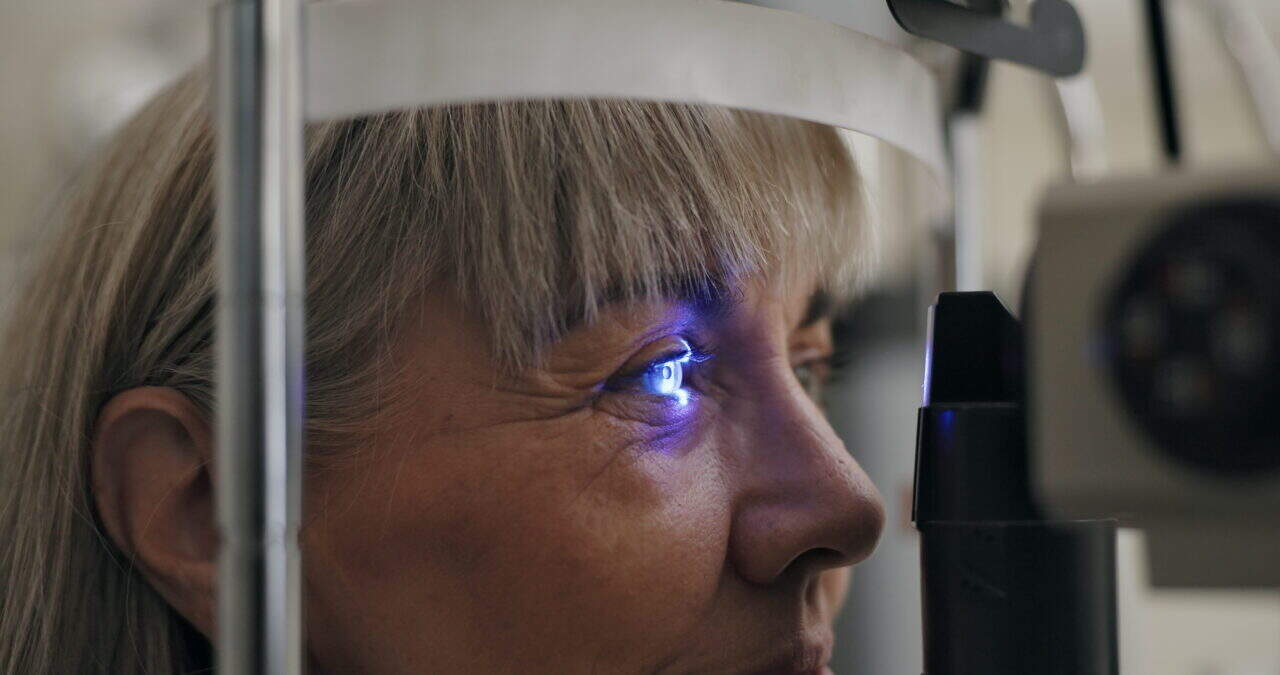
- Slit-Lamp Examination — Evaluates eye structures
Treatment Options for Angle-Closure Glaucoma
Because angle-closure glaucoma can escalate quickly, treatment focuses on reducing eye pressure and restoring proper fluid drainage as soon as possible.
1. Emergency Treatment for Angle-Closure Glaucoma
Acute angle-closure glaucoma is a medical emergency. Prompt care can prevent permanent vision loss. Initial treatment often includes:
- Medications to lower eye pressure
- Oral or intravenous drugs to reduce fluid buildup
- Immediate laser or surgical intervention
2. Laser Treatment (YAG Laser Surgery)
Laser procedures are among the most effective treatments for angle-closure glaucoma. One common procedure is laser peripheral iridotomy, which creates a small opening in the iris to allow fluid to flow more freely. This helps relieve and prevent future attacks.
At advanced facilities like New Vision Eye Center, YAG laser surgery is a key service offering. With precise technology and experienced providers, this minimally invasive treatment can often be performed quickly and with little downtime. Given the clinic’s focus on YAG laser procedures, patients in Vero Beach have access to highly effective glaucoma care close to home.
3. Surgical Intervention
In some cases, surgery may be necessary to manage angle-closure glaucoma. These procedures are typically recommended when laser treatments and medications are not sufficient.
Surgical options may include:
- Lens extraction (similar to cataract surgery)
- Trabeculectomy to create a new drainage pathway
- Glaucoma drainage devices
The Role of Cataract Surgery in Treatment
Interestingly, cataract surgery can sometimes help treat or prevent angle-closure glaucoma. By removing the eye’s natural lens and replacing it with an artificial one, more space is created in the eye, improving fluid drainage.
For patients already considering cataract surgery. This is especially true when performed at a trusted eye clinic with experience in both cataract and glaucoma care.
Preventing Angle-Closure Glaucoma
While not all cases can be prevented, there are steps you can take to reduce your risk:
- Schedule regular comprehensive eye exams
- Inform your doctor of any family history of glaucoma
- Be cautious with medications that may affect eye pressure
- Seek immediate care if symptoms appear
- Follow your eye doctor’s recommendations closely
Protect Your Vision With Prompt, Expert Care at New Vision Eye Center
When it comes to conditions like angle-closure glaucoma, time is critical. Vision loss can occur within hours or days if treatment is delayed, making immediate access to experienced eye care essential. Patients who seek care right away consistently experience better outcomes than those who wait.
At New Vision Eye Center, your eye health always comes first. Whether you’re coming in for routine eye care or advanced treatment, our experienced team is committed to helping you maintain and safeguard your vision. With skilled specialists performing advanced procedures locally, you can feel confident knowing your vision is in capable hands.
Contact us today to schedule your appointment and take the next step toward clearer, healthier vision.