As we age, our eyes, like the rest of our bodies, undergo natural changes that can affect how well we see, and in turn, how comfortably we can go about daily life. From presbyopia and dry eye to more serious conditions like cataracts, glaucoma, and age-related macular degeneration (AMD), older adults face a range of vision challenges that can impact independence and quality of life.
The good news is that many age-related eye issues can be managed, or even prevented, with proper care. In this article, we’ll explore helpful tips for maintaining healthy vision in your senior years, highlight common eye conditions to watch for, and explain why regular eye exams are key to preserving your sight well into the future.
Your Eyes and Aging
As we age, our eyesight naturally changes due to gradual shifts in the structure and function of the eyes. Common age-related changes include difficulty focusing on close objects (presbyopia), reduced pupil size, and a decline in tear production, which can lead to dry eyes.
Additionally, the risk of developing eye conditions such as cataracts, glaucoma, and age-related macular degeneration (AMD) increases with age. While these changes are a normal part of aging, early detection and proper eye care can help maintain good vision and prevent more serious complications over time.
Common Age-Related Eye Conditions
As you age, several eye conditions can develop, ranging from mild to serious. Regular comprehensive eye exams are crucial as you age, as many of these conditions can develop without noticeable symptoms in their early stages. Some common age-related conditions include:
Presbyopia
Presbyopia is the gradual loss of the eye’s ability to focus on close objects, typically beginning in the early to mid-40s. It occurs as the lens of the eye becomes less flexible with age. People with presbyopia often find themselves holding reading materials farther away and may need reading glasses or multifocal lenses.
Cataracts
Cataracts involve the clouding of the eye’s natural lens, resulting in blurry vision, increased glare sensitivity, and dull or faded colors. They develop slowly and are a natural part of the aging process, affecting most people by the age of 80. Cataract surgery is a common and effective treatment that restores your vision by replacing the clouded lens with an artificial one.
Glaucoma
Glaucoma is a group of eye diseases that damage the optic nerve, often due to increased intraocular pressure. It develops gradually and typically has no symptoms until significant vision loss has occurred—earning it the nickname “the silent thief of sight.” Without early treatment, it can lead to permanent blindness.
Age-Related Macular Degeneration (AMD)
Age-related macular degeneration affects the macula, the central part of the retina responsible for processing sharp, central vision. It can be responsible for causing blurred vision and, in advanced stages, lead to a blind spot in the center of your vision. While it doesn’t cause total blindness, it can significantly impair daily activities such as reading and recognizing faces.
Diabetic Retinopathy
This condition occurs when high blood sugar levels weaken the blood vessels in the retina, causing problems like swelling or abnormal vessel growth. Over time, diabetic retinopathy can cause blurred vision, floaters, and even permanent vision loss if untreated. It’s a common complication of diabetes and can be managed with regular eye exams and blood sugar control.
Dry Eye Syndrome
Dry eye syndrome becomes more common with age as tear production decreases or tear quality declines. It can cause stinging, burning, a gritty sensation, or blurred vision, especially during prolonged screen use or in dry environments. Artificial tears, lifestyle adjustments, and sometimes medication can help manage symptoms.
Retinal Detachment
Although less common, retinal detachment is more likely to occur in older adults, especially those with high myopia or a history of previous eye surgeries. It occurs when the retina separates from the back of the eye, which can result in sudden changes in vision, such as flashes of light, floaters, or a shadow over part of the visual field. It is a medical emergency requiring immediate treatment to prevent permanent vision loss.
Maintaining Healthy Vision
Maintaining healthy vision as you age involves a combination of regular eye care, healthy lifestyle choices, and protective habits. Making these habits part of your daily routine can help preserve your vision and reduce the risk of serious eye conditions later in life.
Schedule Regular Eye Exams
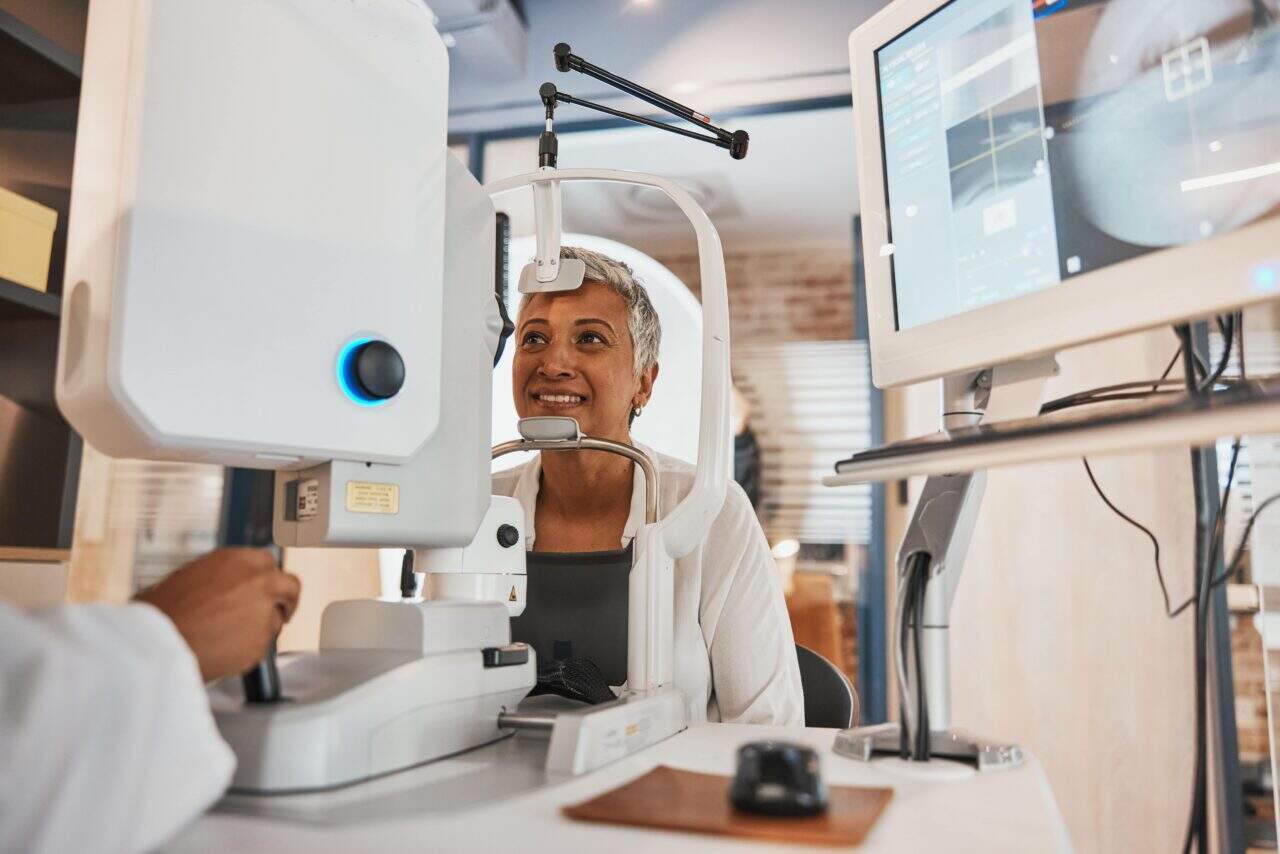
Comprehensive eye exams are crucial for detecting conditions such as glaucoma, cataracts, and age-related macular degeneration at an early stage. Adults over 60 should have a complete eye exam at least once every year, even if no symptoms are present.
Protect Your Eyes from UV Rays
You can protect your eyes from sun damage by wearing sunglasses that completely block UVA and UVB rays, which can contribute to the development of cataracts and macular degeneration over time.
Eat a Nutrient-Rich Diet
A healthy diet supports eye function. Foods rich in antioxidants like vitamins A, C, and E, as well as zinc, lutein, and omega-3 fatty acids, are especially beneficial. Leafy greens, fish, eggs, citrus fruits, and nuts are great choices.
Manage Chronic Health Conditions
Conditions like diabetes, high blood pressure, and high cholesterol can negatively affect your eyes. Managing these conditions with proper medication, diet, and exercise helps reduce the risk of related eye diseases, such as diabetic retinopathy or hypertensive retinopathy.
Don’t Smoke
Smoking increases the risk of several eye diseases, including cataracts and macular degeneration. Quitting smoking significantly lowers these risks and improves overall eye and vascular health.
Use Good Lighting and Take Screen Breaks
Ensure your home and reading areas are well-lit to reduce eye strain. If you use digital devices frequently, follow the 20-20-20 rule: every 20 minutes, look at something 20 feet away for a total of 20 seconds.
Stay Physically Active
Regular exercise improves blood circulation, which supports the health of your eyes and optic nerves. It can also help control conditions such as diabetes and high blood pressure that affect eye health.
Keep Your Eyes Lubricated
As you age, tear production can decrease, leading to dry eyes. Use artificial tears if needed, stay hydrated, and use a humidifier in dry environments to keep your eyes moist and comfortable.
New Vision Eye Center Can Help You Maintain Your Vision as You Age
Your vision is too important to take for granted—especially as you age. Many eye conditions develop gradually and without noticeable symptoms, making regular eye exams essential for early detection and effective treatment.
At New Vision Eye Center, we’re committed to helping you maintain healthy eyesight through every stage of life with thorough, personalized care. Don’t wait for problems to arise.
Schedule your eye exam today and take the first step toward protecting your eyes for years to come.