
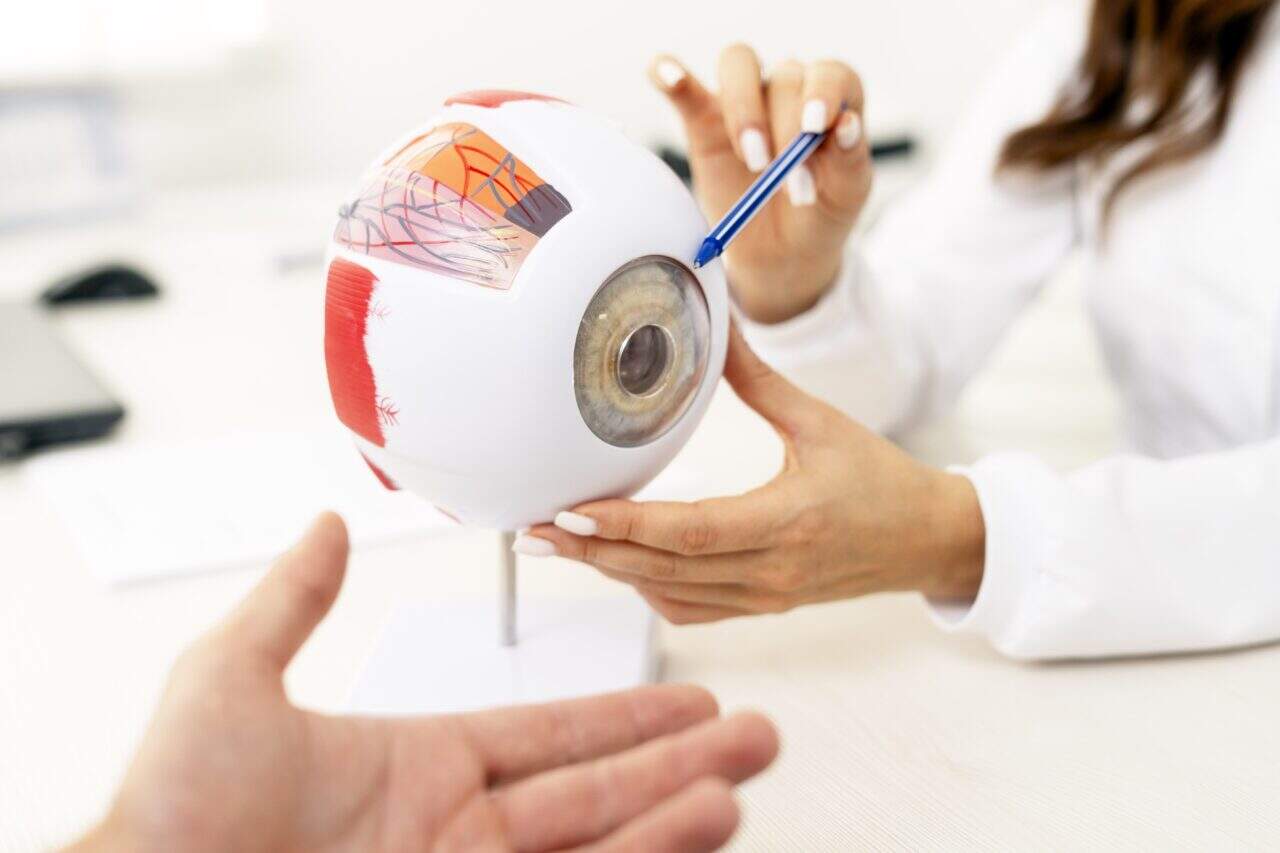
The surface of your eye may seem like a small part of your body, but it plays an important role in how you see and feel every day. Ocular Surface Disease (OSD) is a broad term that refers to a group of conditions that affect the health and function of the eye’s outermost layers, particularly the cornea, conjunctiva, and tear film.
Whether caused by chronic dryness, inflammation, allergies, or autoimmune disorders, OSD can lead to irritation, blurred vision, and even long-term damage if left untreated. In this article, we’ll break down the common causes, telltale symptoms, and the wide range of treatment options available to manage this often underdiagnosed condition and protect your long-term eye health.
What is Ocular Surface Disease?
OSD encompasses a group of conditions that all affect the outer surfaces of the eye, including the cornea, conjunctiva, and tear film. This delicate surface is essential for clear vision, eye comfort, and protection from infection and injury.
In OSD, the balance between tear production, tear film quality, and the health of the eye’s surface tissues is disrupted. This can lead to dryness, inflammation, surface damage, and visual disturbances.
Left untreated, OSD can cause chronic discomfort, blurred vision, increased risk of infection, and even permanent damage to the eye surface. Fortunately, with early diagnosis and proper management, most forms of OSD are highly treatable.
Causes of Ocular Surface Disease
Ocular Surface Disease can be caused by a variety of underlying conditions that disrupt the normal function and integrity of the eye’s surface. OSD is usually multifactorial, meaning several causes may overlap in one patient. Identifying and treating the underlying contributors is key to effective long-term management.
Dry Eye Disease (DED)
Dry Eye Disease is one of the most common causes of OSD. It can result from evaporative dry eye, which in turn may be caused by Meibomian gland dysfunction or reduced tear production. It is often worsened by aging, hormone changes, or screen use.
Blepharitis and Meibomian Gland Dysfunction
The inflammation of the eyelids and oil-producing glands that comes with blepharitis and Meibomian gland dysfunction can disrupt the tear film, leading to unstable tears and increased evaporation.
Autoimmune Diseases
Conditions such as Sjögren’s syndrome, rheumatoid arthritis, and lupus can impair tear production or cause direct inflammation of ocular tissues.
Allergies and Inflammation
Chronic allergic conjunctivitis and other inflammatory conditions can damage the ocular surface. Environmental irritants such as pollen, dust, and smoke can also contribute to ocular surface inflammation.
Environmental and Lifestyle Factors
Prolonged screen time can lead to reduced blinking, which can be a factor in ocular surface disease. Dry conditions, often caused by air conditioning, heating, or dry climates, can also contribute to the issue. Contact lens overuse or poor hygiene can also lead to OSD.
Who is at Risk?
Several groups of people are at increased risk of developing OSD due to factors that affect tear production, eye surface integrity, or inflammation.
Older Adults
As we age, there is a decline in tear production and oil gland function. OSD is especially common in people over age 50.
Women
Women, especially postmenopausal women, are at risk for OSD due to hormonal changes affecting tear composition. Women with autoimmune conditions are also at higher risk.
People with Autoimmune Conditions
Those with conditions like Sjogren’s syndrome, rheumatoid arthritis, and lupus are more likely to develop OSD as these diseases can damage the tear glands and inflame the ocular surface.
Lifestyle Factors
Heavy screen users are at risk of developing OSD as extended use of computers, smartphones, and tablets reduces the blink rate, leading to tear evaporation and dryness. In addition, people who wear contact lenses are at higher risk of developing OSD. Contacts can disrupt the tear film and reduce oxygen to the cornea, increasing the risk of irritation and dryness.
Symptoms of Ocular Surface Disease
OSD can present with a range of symptoms, many of which overlap with other common eye conditions. These symptoms often reflect underlying inflammation, tear film instability, or damage to the surface of the eye.
Dryness, Grittiness, or Foreign Body Sensation
This can be described as a feeling like sand or grit in the eye, and is often worse at the end of the day or after extended screen use. You might have a feeling that something is in the eye, even when nothing is present.
Burning, Itching, or Stinging
OSD can often present with a sensation of heat or irritation. This feeling can be constant or flare up in dry or windy environments. Itching is an especially common symptom when allergies are involved, and can lead to rubbing, which in turn worsens inflammation.
Redness
If your eyes are chronically or intermittently red, especially the whites of your eyes, this could be a sign of OSD.
Blurry or Fluctuating Vision
An unstable tear film can cause vision that changes throughout the day or clears with blinking.
When to Seek Help
If you’re experiencing persistent or worsening discomfort, especially if it’s affecting your vision or daily activities, it’s important to see an eye care specialist. OSD is treatable, and early intervention can prevent complications.
Treating Ocular Surface Disease
OSD is a chronic condition, but with the right treatment, symptoms can be significantly reduced and vision preserved. Treatment is typically customized based on the underlying cause – whether it’s dry eye, inflammation, allergies, or another contributing factor.
Artificial Tears and Lubricants
Artificial tears and lubricants are generally the first-line treatment for most patients. They are available in preservative-free and gel formulations. They help to restore moisture and stabilize the tear film.
Eyelid Hygiene and Warm Compresses
If the OSD is exacerbated by blepharitis or Meibomian gland dysfunction, treatments such as daily eye scrubs, warm compresses, and gentle massage can help improve the eye’s oil flow.
Medications
Your eye care provider might prescribe topical steroids for short-term flare-ups to control inflammation. Additionally, medications such as cyclosporine or lifitegrast can help reduce long-term inflammation and enhance tear production.
Additionally, oral tetracyclines, such as doxycycline, can be beneficial if the inflammation is related to Meibomian gland dysfunction. Oral secretagogues, including pilocarpine or cevimeline, may also help stimulate tear production in some patients.
Need Help with Ocular Surface Disease? Turn to New Vision Eye Center
If you’re struggling with dry, irritated eyes or blurred vision, you don’t have to live with the discomfort. At New Vision Eye Center, our specialists are experienced in diagnosing and treating Ocular Surface Disease with personalized care and the latest treatment options. Whether your symptoms are mild or severe, we’re here to help restore your eye health and comfort.
Contact us today to schedule an appointment and take the first step toward clearer, more comfortable vision.