
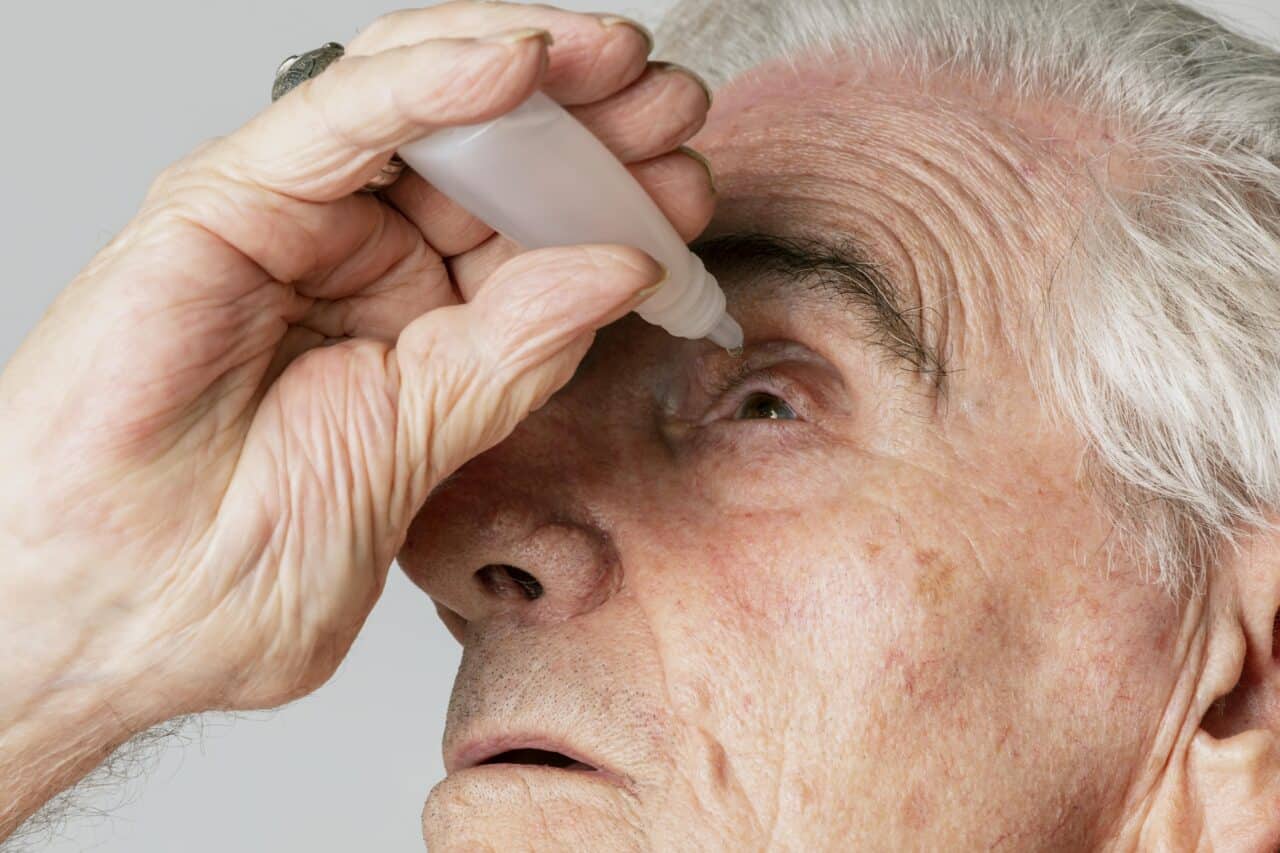
As we age our bodies undergo changes which can have dramatic impacts on our health. Eye health, and particularly the issue of dry eyes, is often overlooked, but is an important condition to understand. While dry eye disease can affect individuals of all ages, seniors are particularly susceptible due to a combination of natural aging processes and other contributing factors.
If you are over 60, it’s important to maintain regular annual eye exams as the risk of age-related issues increases. This article will discuss how aging affects dry eyes.
What is Dry Eye Syndrome?
Dry eye syndrome, also known as dry eye disease, happens when enough tears are not produced or the tears evaporate too quickly. This leads to insufficient moisture on the eye’s surface. This results in irritation, redness, a gritty or burning sensation, and, in some cases, blurred vision.
Tears are essential for keeping the eyes lubricated, nourished, and protected from infection, so when tear production is disrupted, the eyes can become dry, uncomfortable, and more susceptible to damage. Dry eye syndrome can be caused by various factors, including aging, environmental conditions, medications, or underlying health issues.
Symptoms
The symptoms of dry eye syndrome can range from mild to severe and often affect both eyes. These symptoms can worsen in certain conditions, such as dry or windy environments, prolonged computer use, or exposure to air conditioning.
If left untreated, dry eye syndrome can lead to complications like eye infections or damage to the cornea. Common symptoms include:
- Dryness or Discomfort – A persistent feeling of dryness or irritation in the eyes.
- Gritty or Sandy Sensation – Many describe it as feeling like something is stuck in the eye.
- Redness – The whites of the eyes may appear bloodshot or inflamed.
- Burning or Stinging – A noticeable burning sensation is often reported.
- Blurred Vision – Vision may temporarily become hazy, especially when focusing for extended periods.
- Sensitivity to Light (photophobia) – Bright lights may become uncomfortable or cause pain.
- Excessive Tearing (paradoxical) – Despite the dryness, the eyes may produce more tears as a reflex.
- Difficulty with Contact Lenses – Wearing lenses may become uncomfortable or intolerable.
- Eye Fatigue – Eyes may feel strained or tired, particularly after reading or screen use.
Causes of Dry Eyes
Dry eyes can be caused by a many different factors that disrupt the tear production process or increase tear evaporation. Here are some common causes of dry eyes:
- Aging is a common cause, as tear production naturally decreases with age.
- Certain medical conditions, such as rheumatoid arthritis, Sjögren’s syndrome, or diabetes.
- Environmental factors like wind, smoke, or prolonged exposure to screens can lead to increased tear evaporation.
- Medications such as antihistamines, antidepressants, and decongestants may reduce tear production as a side effect.
- Hormonal changes, particularly in women during menopause, and issues with the eyelids, like incomplete closure can also contribute to dry eyes.
Treatment Options
Treatment for dry eye syndrome focuses on relieving symptoms and addressing the underlying cause. Artificial tears or lubricating eye drops are often the first line of defense to keep the eyes moist.
Doctors may recommend prescription medications such as anti-inflammatory eye drops or tear-stimulating drugs for more severe cases. Lifestyle changes, like reducing screen time, using a humidifier, or protecting the eyes from wind, can also help.
In some cases, punctual plugs—tiny devices inserted into the tear ducts—are used to retain natural tears on the eye surface. Additionally, treating any underlying conditions or adjusting medications that may contribute to dryness is crucial for long-term relief.
How Aging Affects Dry Eye Syndrome
Aging is the leading cause of dry eye syndrome in seniors, as the body’s ability to produce and maintain an adequate supply of high-quality tears diminishes over time.
Decrease in Tears
Aging decreases tear production primarily due to changes in the lacrimal glands, which produce the aqueous component of tears. Over time, these glands can shrink or become less efficient, leading to reduced tear output. Additionally, the cells involved in tear production may experience a natural decline in function due to oxidative stress and inflammation, both of which increase with age.
Tear Composition
Aging alters the composition of tears, contributing to dry eye syndrome by disrupting the delicate balance of their three main components: water, oils, and mucus. The lipid layer, produced by the meibomian glands, often becomes thinner or less effective with age, leading to increased tear evaporation.
This change is partly due to gland dysfunction or blockage, which is more common in older adults. The aqueous layer, produced by the lacrimal glands, may also decrease in volume, reducing the overall hydration of the eyes.
Additionally, the mucus layer, which helps tears spread evenly across the eye’s surface, may become less effective, leading to uneven coverage and dry spots. These compositional changes reduce the stability and protective quality of the tear film, making the eyes more prone to dryness, irritation, and inflammation.
Hormonal Changes
Hormonal shifts that happen as we age can significantly contribute to dry eyes. Women are especially impacted, as estrogen levels dramatically decrease in menopause. Estrogen plays a key role in maintaining the function of the lacrimal glands, and as it declines, the glands become less efficient, leading to reduced tear production.
Similarly, androgens, which also decrease with age, help regulate the secretion of oils in the eye. These oils have an important function in maintaining the lipid layer of the tear film. When these hormone levels drop, and the eye produces less oil, tears evaporate faster, leading to dry eye symptoms.
Medications
Medications commonly used by older adults can contribute to dry eye syndrome by interfering with tear production or increasing tear evaporation. Older adults often take multiple medications for various health conditions, which can compound the risk of developing dry eyes as a side effect.
Many medications, such as antihistamines, decongestants, antidepressants, and diuretics, can reduce the amount of moisture produced by the lacrimal glands, leading to insufficient tear lubrication.
Certain medications, like beta-blockers and some blood pressure medications, can also alter the quality of the tears, affecting their ability to protect and hydrate the eye’s surface. Additionally, medications that cause drowsiness or reduce blinking, such as sleep aids or muscle relaxants, can increase tear evaporation.
New Vision Eye Center Can Help With Your Dry Eyes
If you’re experiencing symptoms of dry eyes, such as discomfort, irritation, or blurred vision, it’s important to seek professional care, especially since aging can increase the risk of this condition. At New Vision Eye Center, our experienced team can provide a comprehensive eye exam to diagnose the underlying causes of your dry eyes and recommend effective treatment options tailored to your needs.
Don’t let dry eyes affect your quality of life. Schedule an appointment with us today to get the relief you deserve and keep your eyes healthy and comfortable.