
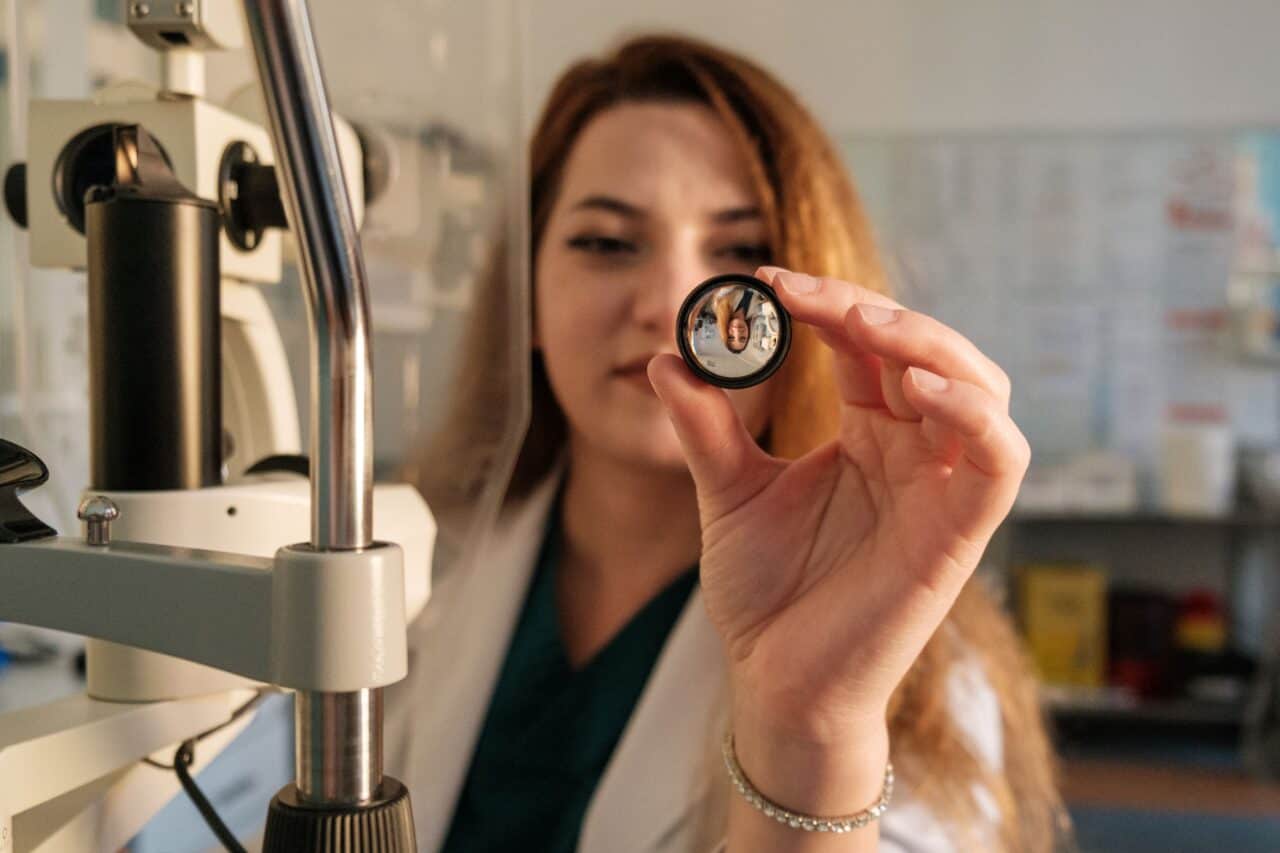
As we age, our eyesight and eye health can degenerate. Glaucoma and cataracts are both common conditions that affect people as they age. If left untreated, both conditions potentially lead to blindness.
However, while glaucoma and cataracts are similar, they have different causes, symptoms, and treatments. Understanding these two common causes of vision deterioration is vital to controlling your eye health as you age.
What is Glaucoma?
Glaucoma damages the optic nerve. The optic nerve transmits visual information to the brain. The damage typically occurs because of increased intraocular pressure (IOP). If left untreated, this damage can lead to vision loss or even blindness.
There are different types of glaucoma. Primary open-angle glaucoma is the most common and develops slowly and painlessly, and angle-closure glaucoma which can occur suddenly and is often more painful. Early detection and treatment are key to managing glaucoma and preventing significant vision impairment.
Symptoms
The symptoms of glaucoma can vary depending on the type, and many forms of the disease develop gradually, so they can be difficult to notice in the early stages. In primary open-angle glaucoma, the most common type, doesn’t typically have noticeable symptoms until significant vision loss occurs, often starting with the peripheral (side) vision.
In contrast, angle-closure glaucoma can cause more sudden and noticeable symptoms, such as significant eye pain, nausea, vomiting, blurred vision, seeing halos around lights, and redness in the eye. Because glaucoma can progress without noticeable symptoms, regular eye exams are crucial for early detection.
Treatment
The objective of glaucoma treatment is to minimize intraocular pressure to prevent further damage to the optic nerve. The specific treatment plan depends on the type and severity of glaucoma.
The goal of treatment is to prevent further vision loss, as glaucoma cannot reverse the damage that has already occurred to the optic nerve. Regular monitoring and adjustments to treatment may be necessary to keep IOP under control.
- Medications — The most common first-line treatment for glaucoma is eye drops that lower IOP. These medications work by either decreasing the production of fluid inside the eye or increasing its drainage. Your doctor may also prescribe oral medications.
- Laser Therapy — Laser treatments can help improve fluid drainage or reduce fluid production. Trabeculoplasty treats open-angle glaucoma by improving drainage. Laser iridotomy is used to treat angle-closure glaucoma. This procedure creates a small hole in the iris, helping fluid flow more freely.
- Surgical Procedures — In some cases, surgery may be required if other treatments aren’t effective. Surgical options, such as trabeculectomy or drainage implants, create new drainage pathways for fluid or reduce fluid production, helping to control IOP.
What are Cataracts?
A cataract is a condition where the clear lens of the eye becomes clouded, leading to a decrease in vision. The lens, responsible for focusing light onto the retina, becomes less transparent over time due to aging or other factors, such as injury, genetic predisposition, or certain medical conditions like diabetes.
As cataracts develop, they can cause blurred vision, difficulty seeing at night, glare from lights, and faded colors. Cataracts usually progress slowly, and in the early stages, glasses or stronger lighting may help manage the symptoms. However, if the cataract worsens and significantly impacts vision, surgery to remove the cloudy lens and replace it with a synthetic one is typically the most effective treatment.
Symptoms
The symptoms of cataracts develop gradually and can vary in severity. Since cataracts typically develop slowly, the symptoms might not be immediately apparent, but they can significantly affect daily activities if left untreated.
- Blurred or Cloudy Vision — One of the most noticeable symptoms, making it difficult to see clearly, especially in low-light conditions.
- Glare and Halos Around Lights — Bright lights, such as headlights at night, may cause glare or halos, making nighttime driving particularly challenging.
- Difficulty Seeing at Night — Reduced vision in dim light is a common issue for those with cataracts.
- Faded or Yellowed Colors — Cataracts can cause colors to appear less vibrant or more yellowed, which may affect the ability to distinguish between certain shades.
- Frequent Changes in Prescription Glasses — As cataracts worsen, you may find that your glasses prescription needs frequent adjustments.
- Double Vision — Some people with cataracts may experience double vision in one eye.
Treatment
The primary treatment for cataracts is surgery. In the early stages, if symptoms are mild, stronger prescription glasses, magnification tools, or brighter lighting may help manage cataracts. However, surgery is the only long-term solution to fully restore vision once cataracts significantly impair sight.
Eye doctors use a few techniques to remove the cataract surgery. The most common type is called phacoemulsification, which involves breaking the cataract into smaller pieces using an ultrasound and removing it.
Extracapsular surgery is used for more advanced cataracts and includes removing the cataract in one piece through a larger incision. After removing the cataract, the eye is typically fitted with a new intraocular lens, which helps restore focusing ability. There are different types of IOLs, including monofocal (for clear vision at a single distance) and multifocal lenses (for clearer vision at multiple distances).
Similarities Between Glaucoma and Cataracts
While glaucoma and cataracts are common eye conditions, their risk factors vary despite some overlaps.
Shared Risk Factors
- Age — Both conditions are more common as people age. Cataracts are almost universally associated with aging, and glaucoma risk increases with age as well.
- Family History — A family history of either glaucoma or cataracts can increase the likelihood of developing these conditions.
- Diabetes — People with diabetes are at an increased risk for both cataracts and certain types of glaucoma, particularly a form called neovascular glaucoma.
Chronic and Progressive
Both glaucoma and cataracts tend to develop slowly over time. Cataracts generally progress over the years, while glaucoma can also have a slow onset, with gradual vision loss occurring over time if left untreated.
Medical Intervention
Although they affect different aspects of eye health, cataracts involve the lens, while glaucoma affects the optic nerve; both conditions require early detection and proper management to prevent significant vision impairment or loss.
Take Control of Your Eye Health With New Vision Eye Center
If you’re experiencing any changes in vision or have concerns about cataracts or glaucoma, don’t wait to get help. At New Vision Eye Center, our experienced team is dedicated to providing comprehensive eye care, offering expert diagnosis and treatment options for both conditions. Early detection is key to preserving your vision.
Contact us today to schedule an eye exam and ensure your eyes stay healthy for years to come.