
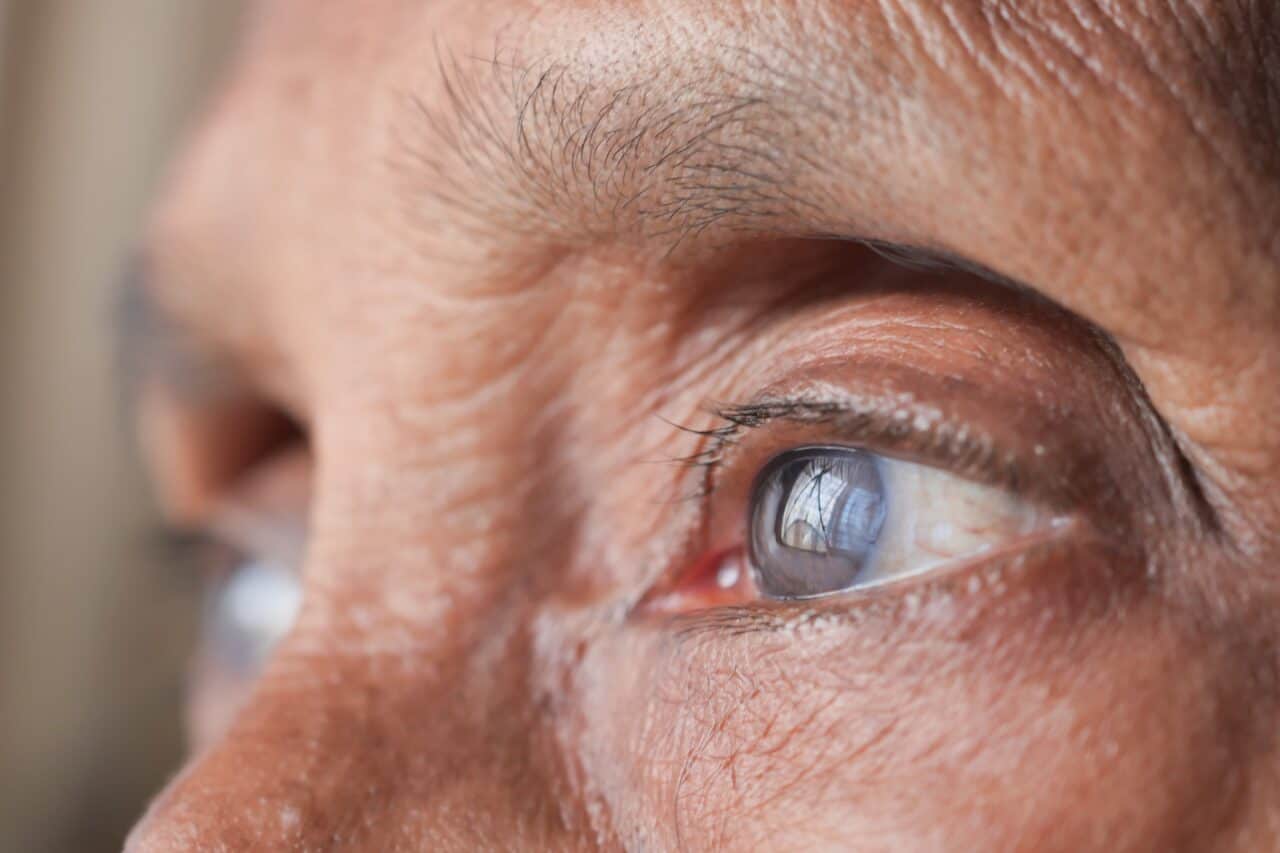
Cataracts are one of the most common age-related eye conditions, affecting millions of people worldwide. As the leading cause of vision impairment, they develop gradually and can impact the clarity of your vision. Understanding the stages of cataracts is essential for recognizing symptoms early and taking appropriate action.
From the initial, subtle changes to the more advanced stages, cataracts progress in distinct phases. Understanding these phases can help you better navigate treatment options and maintain your optimal eye health.
What are Cataracts?
Cataracts are a clouding of the natural lens inside the eye, which is typically clear and helps focus light on the retina. As the lens becomes cloudy over time, it interferes with vision, causing blurred or dimmed sight.
Cataracts often develop slowly, and the symptoms may not be noticeable at first, but as they progress, they can lead to significant vision impairment. Common causes of cataracts include aging, injury, genetics, and certain medical conditions, such as diabetes.
While cataracts are most commonly associated with older adults, they can also occur in younger people due to other factors, and there are different types of cataracts as well. The condition is treatable, often with surgery to remove the cloudy lens and replace it with a clear artificial one.
Causes of Cataracts
Cataracts are primarily caused by the natural aging process, as the proteins in the eye’s lens break down over time, leading to cloudiness. However, several factors can contribute to or accelerate the development of cataracts, including:
- Aging — The most common cause, where the proteins in the lens clump together and cause it to become less transparent, resulting in blurry vision.
- Genetics — Family history can increase the risk of developing cataracts at an earlier age.
- UV Radiation — Prolonged exposure to ultraviolet (UV) light from the sun can damage the lens, contributing to cataract formation.
- Medical Conditions — Diseases like diabetes can increase the risk of cataracts, particularly if blood sugar levels are poorly controlled.
- Medications — Certain medications, especially long-term use of corticosteroids, can lead to cataract formation.
- Injury — Trauma or injury to the eye can damage the lens and result in cataracts, sometimes developing years after the initial injury.
- Smoking and Alcohol — Lifestyle factors such as smoking and excessive alcohol consumption can also increase the risk of cataracts.
- Other Eye Conditions — Conditions like high myopia (nearsightedness) or previous eye surgeries can contribute to the development of cataracts.
Cataract Symptoms and Stages
Cataracts typically develop in three main stages: early, intermediate, and advanced. Each phase is associated with specific symptoms and changes in vision. Understanding these stages can help you recognize the condition early and seek appropriate treatment.
Early Cataracts
In the initial phase, cataracts develop very slowly, and symptoms may be mild or not noticeable at all. The lens begins to show small, cloudy areas, but these often don’t significantly affect vision. Symptoms generally include:
- Slight blurriness or haziness in vision
- Increased sensitivity to glare, especially at night (for example, you might see halos around lights)
- Difficulty seeing in low-light conditions
- A slight yellowing or dulling of colors.
Mature Cataracts
As the cataract progresses, the clouding becomes more pronounced, and vision can be significantly affected. The lens becomes denser, and symptoms become more noticeable. People with intermediate stage or mature cataracts generally experience:
- More blurry and cloudy vision
- Increased difficulty reading or performing close-up tasks
- More noticeable glare, especially when driving at night
- Double vision or a feeling of seeing through a foggy window
- Colors may appear faded or less vibrant.
Hypermature (Advanced) Cataracts
In the final stage, the cataract becomes very dense, and the lens can be completely opaque. Vision impairment is severe, and the lens itself may start to change shape or harden. Symptoms of hypermature cataracts include:
- Severe vision loss or blindness in the affected eye
- The lens can appear milky white or brownish
- Difficulty distinguishing between light and dark
- More pronounced double vision
- Possible eye pain or discomfort as the lens becomes harder.
Treatment Options
The treatment for cataracts largely depends on the stage of the condition and how much it affects a person’s vision. While cataracts develop gradually, the main treatment option remains cataract surgery, but other approaches can help manage early symptoms.
Early Cataracts
In the early stage, cataracts may not significantly affect daily life, so treatment typically focuses on symptom management rather than surgical intervention. Changes in prescription glasses or contact lenses can often improve vision in this stage, and special lenses with anti-glare or yellow-tinted coatings can help reduce sensitivity to light and glare. Using brighter lights for reading, avoiding glare from the sun, and wearing sunglasses to protect the eyes from UV radiation can help manage early cataract symptoms.
Intermediate or Mature Cataracts
As cataracts progress and affect vision more noticeably, corrective lenses may no longer provide sufficient clarity. At this point, more intensive treatment is often required.
When cataracts reach the intermediate stage and vision becomes significantly impaired, surgery becomes the most common and effective treatment option. Cataract surgery involves removing the clouded lens and replacing it with a clear, artificial intraocular lens (IOL). This surgery is usually recommended when cataracts begin to interfere with daily activities, such as reading, driving, or working.
Advanced or Hypermature Cataracts
At this stage, the cataract is usually dense and may cause severe vision loss or even blindness in the affected eye. Cataract surgery is almost always necessary in advanced stages to restore vision.
Cataract surgery is a highly effective and common procedure, with most people experiencing improved vision after surgery, regardless of the cataract stage. However, the decision to pursue surgery is typically based on how much the cataracts affect daily activities and quality of life.
Turn to New Vision Eye Center and Take Control of Your Cataracts
If you’re experiencing blurry vision, increased sensitivity to light, or difficulty with everyday tasks like reading or driving, it may be time to address your eye health. At New Vision Eye Center, our team of experienced specialists is here to help you maintain optimal vision and manage conditions like cataracts. Whether you’re noticing subtle changes in your sight or are dealing with more advanced cataract symptoms, we offer personalized care and effective treatment options to improve your quality of life.
Contact New Vision Eye Center today to schedule an appointment and take the first step toward clearer vision and better eye health.