
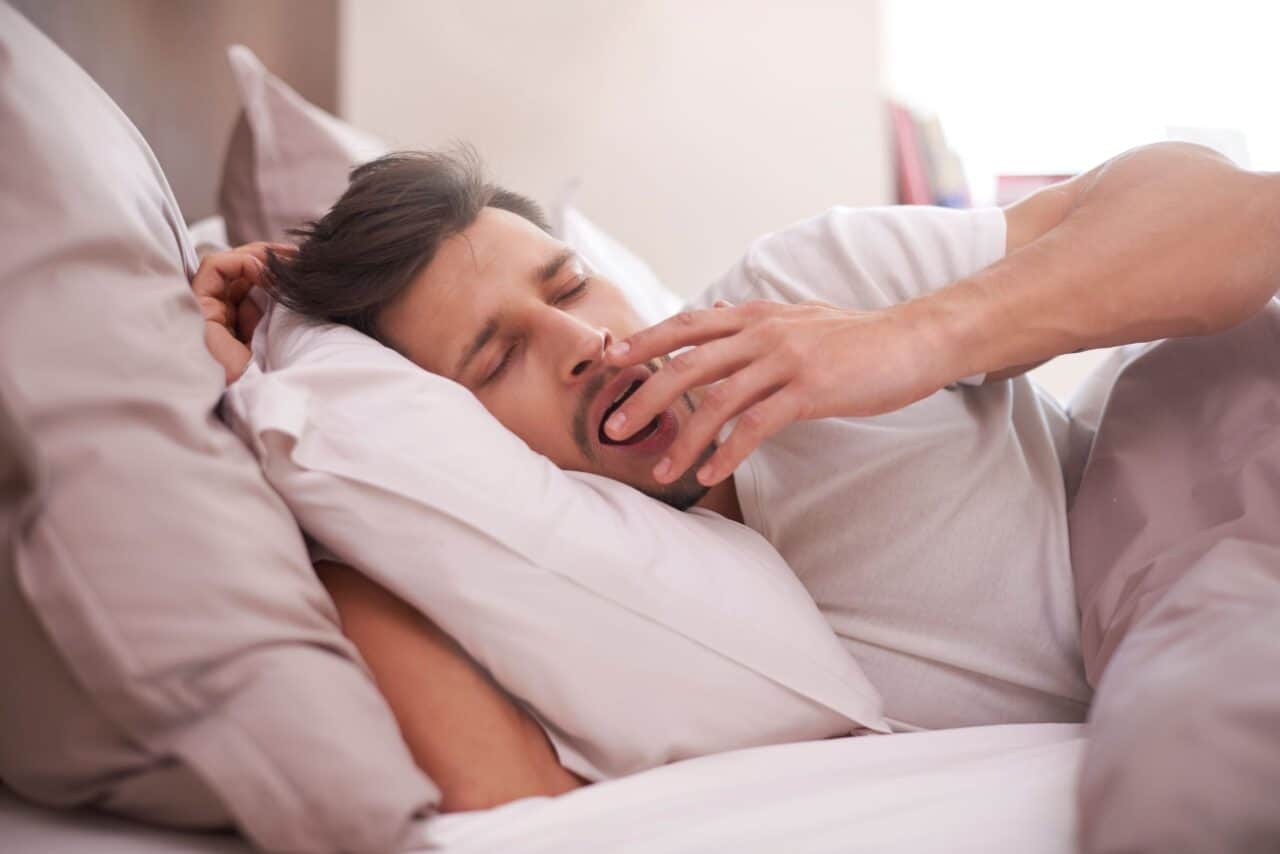
When most people think of obstructive sleep apnea (OSA), they associate it with loud snoring, excessive daytime fatigue, or repeatedly waking up gasping for breath. But the effects of sleep apnea can extend far beyond sleep quality. Research increasingly points to an important connection between obstructive sleep apnea and several eye conditions.
This connection is particularly important for adults over 55, who are more likely to experience both sleep apnea and age-related eye conditions. Understanding how these conditions may be connected can help patients recognize potential warning signs and discuss them with both their eye doctor and primary care provider.
What Is Obstructive Sleep Apnea?
Obstructive sleep apnea is a sleep disorder that occurs when the soft tissues in the throat and throat muscles relax enough during sleep to completely or partially block the airway. When this happens, breathing can repeatedly stop and restart throughout the night.
These interruptions can happen many times per hour, sometimes without the person realizing it. Each episode can temporarily reduce the amount of oxygen in the blood and cause brief changes in blood pressure, heart rate, and oxygen delivery throughout the body.
Common symptoms of obstructive sleep apnea include loud or frequent snoring, waking up choking or gasping, morning headaches, difficulty concentrating, and excessive daytime sleepiness. Some people may also experience dry mouth or wake frequently during the night. Because sleep apnea can go undiagnosed for years, it is important to recognize that its effects may extend beyond sleep and energy levels.
How Can Sleep Apnea Affect the Eyes?
Your eyes depend on a steady supply of oxygen and blood flow to function properly. Repeated drops in oxygen levels and changes in circulation associated with sleep apnea may place stress on sensitive structures within the eye and the optic nerve.
Researchers have identified associations between obstructive sleep apnea and several ocular conditions. While having sleep apnea does not necessarily mean a person will develop one of these conditions, the connection is significant enough that eye health deserves attention in people who have been diagnosed with OSA.
Sleep Apnea and Glaucoma
Glaucoma refers to a group of eye diseases that can damage the optic nerve and lead to gradual, permanent vision loss. Open-angle glaucoma, the most common form, often develops slowly and may cause few or no noticeable symptoms in its early stages.
Studies have found an association between obstructive sleep apnea and glaucoma. One possible explanation is related to repeated episodes of low oxygen during sleep. The optic nerve requires adequate oxygen and blood flow, and repeated changes in oxygen levels may contribute to optic nerve stress.
Changes in blood pressure and circulation may also play a role. In addition, pressure-related changes within the eye and surrounding tissues may contribute to the complex relationship between sleep apnea and glaucoma.
It is important to remember that sleep apnea is not considered a direct cause of glaucoma in every patient. However, the association reinforces the importance of regular comprehensive eye exams, particularly for adults with risk factors for glaucoma. Because glaucoma can progress before noticeable vision changes occur, routine screening can be essential for protecting long-term sight.
Floppy Eyelid Syndrome and Sleep Apnea
Floppy eyelid syndrome is another eye condition that has been strongly associated with obstructive sleep apnea. People with floppy eyelid syndrome have unusually loose or flexible upper eyelids.
The eyelid may easily turn outward during sleep, particularly when a person sleeps face-down or on their side. This can expose the eye’s surface to air and friction, potentially leading to irritation, redness, dryness, and discomfort.
The connection between floppy eyelid syndrome and sleep apnea is especially interesting because both conditions can involve nighttime factors. People with sleep apnea may experience repeated fluctuations in oxygen levels and sleep patterns, and mechanical pressure on the eyelid during sleep may contribute to eyelid problems.
Symptoms can include chronic eye irritation, redness, watering, discharge, or a sensation that something is in the eye. Some patients may also experience symptoms similar to dry eye. If you have been diagnosed with sleep apnea and frequently wake up with irritated or uncomfortable eyes, mention those symptoms during your eye examination.
Papilledema and Sleep Apnea
Papilledema occurs when the optic nerve swells due to increased pressure inside the skull. It differs from many common eye conditions because the underlying problem involves pressure around the brain rather than simply originating within the eye.
Research has identified associations between obstructive sleep apnea and changes in intracranial pressure. In some circumstances, repeated nighttime breathing interruptions and fluctuations in oxygen and carbon dioxide levels may contribute to pressure fluctuations.
Papilledema requires medical attention because it can indicate an underlying condition that needs to be evaluated. Symptoms may include headaches, temporary visual disturbances, nausea, or changes in peripheral vision.
Any sudden or significant change in vision should be evaluated promptly. Papilledema is not something that should be attributed to ordinary eye strain or aging.
Why This Matters for Adults Over 55
Sleep apnea becomes more common with age, and adults over 55 are also more likely to experience conditions such as glaucoma and other age-related eye problems. That overlap makes communication between your healthcare providers especially important.
An eye doctor may not diagnose sleep apnea, but an eye examination can sometimes reveal findings that warrant additional discussion with a primary care provider or sleep specialist. Likewise, patients diagnosed with sleep apnea should ensure their eye doctor is aware of the condition.
Your medical history provides important context when evaluating your overall eye health. Sharing information about medications, chronic conditions, sleep disorders, and other health concerns can help your eye care team better understand potential risk factors.
When Your Vision Matters, Choose New Vision Eye Center
The relationship between sleep apnea and eye health is still being studied, and researchers continue to learn more about how oxygen levels, blood flow, inflammation, and pressure changes may affect the eyes. What is already clear is that your sleep health and eye health are not completely separate. If you experience persistent eye irritation, unexplained vision changes, headaches associated with visual symptoms, or other concerns, schedule an eye examination rather than assuming the symptoms are simply part of getting older.
At New Vision Eye Center, our team understands that protecting your vision means looking at the bigger picture of your eye health. Comprehensive examinations can help identify eye conditions early, monitor changes over time, and determine when additional evaluation may be appropriate. Our advanced approach allows us to diagnose and manage a wide range of eye conditions while taking your individual health history and concerns into consideration.
Contact us today to schedule an appointment.