
Most people have heard of glaucoma, an eye disease in which the optic nerve is damaged, eventually resulting in vision loss. The most common cause of this damage is elevated eye pressure. However, there is a kind of glaucoma called “normal-tension” or “low-tension,” in which the optic nerve is damaged despite normal eye pressure.
Because glaucoma often has no symptoms, it is essential to keep up with regular eye appointments and to know if you might be at risk for developing this condition. This article will discuss what you need to know about normal-tension glaucoma.
How is Normal-Tension Glaucoma Different?
With many kinds of glaucoma, eye pressure is raised due to a backup of fluid in the eye. This puts pressure on the optic nerve, eventually damaging it enough to affect your vision. However, those who experience normal-tension glaucoma do not have high pressure in their eyes.
Causes of Normal-Tension Glaucoma
Unfortunately, the development of normal-tension glaucoma is not well understood, and it is unclear why some people eventually get this disease. Studies have linked low blood pressure to this type of glaucoma, with the theory that normal-tension glaucoma develops because insufficient blood supply is reaching the optic nerve. It is also possible that people with normal-tension glaucoma develop the condition because they have an extremely sensitive optic nerve that is damaged even by normal eye pressure.
Risk Factors
You have a higher risk of being diagnosed with normal-tension glaucoma if you have a family history of the condition. Additionally, studies have shown that people of Asian and especially Japanese descent are more likely to develop this type of glaucoma than others. Finally, if you have a history of heart disease, you are also more likely to develop this type of glaucoma.
Symptoms
Glaucoma is often called “the silent thief of sight” because, unfortunately, it often does not cause any noticeable symptoms, especially in the early stages. As the disease progresses and the optic nerve becomes more damaged, you might start to notice blind spots, especially on the periphery of your vision.
As the condition worsens, your vision narrows, and people often describe their vision as looking through a tunnel. If the optic nerve dies completely, you become totally blind. Because symptoms can be nonexistent or extremely subtle, it is important to maintain regular visits with your eye doctor.
Diagnosis
Normal tension glaucoma is diagnosed through a combination of clinical assessments, as it can be challenging to identify since intraocular pressure is usually within the normal range. The diagnostic process generally includes:
Comprehensive Eye Exam
During a comprehensive eye exam, an eye care professional performs a thorough examination, including a visual acuity test and a refraction assessment.
Intraocular Pressure Measurement
While intraocular eye pressure is normal in normal-tension glaucoma, a doctor will still measure it to rule out other kinds of glaucoma.
Optic Nerve Evaluation
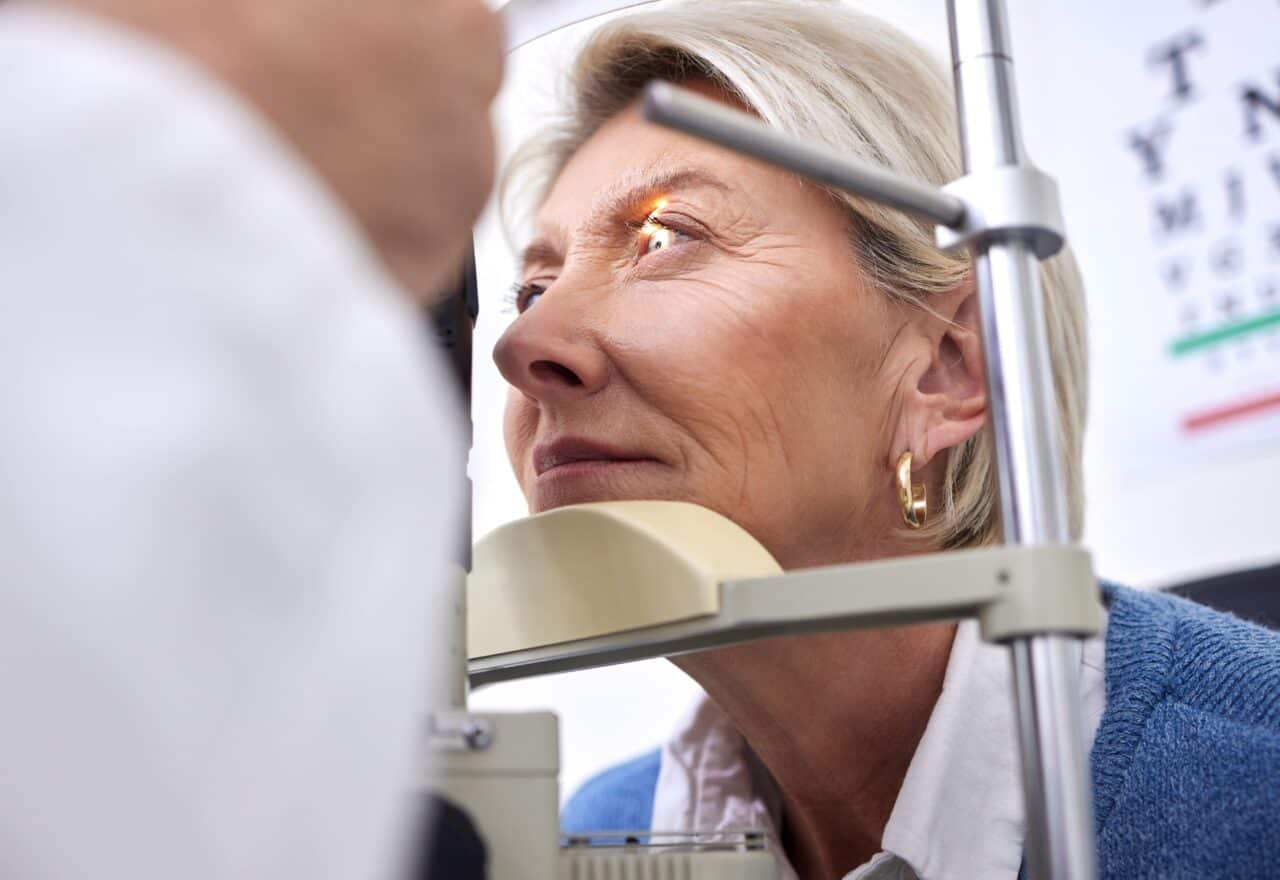
The eye care professional will evaluate the optic nerve by looking for any signs of damage or changes. There are a variety of ways to look at the optic nerve, including a slit lamp or different imaging techniques such as optical coherence tomography.
Visual Field Testing
This type of testing can identify if you have any loss of vision in your periphery, which could indicate glaucoma.
Pachymetry
Pachymetry measures the thickness of the cornea and can be an important tool in diagnosing normal tension glaucoma. Thinner corneas are associated with a higher risk of glaucoma. Even though your intraocular pressure is within a normal range, a thinner cornea could indicate a higher likelihood of optic nerve damage.
Treatment Options
Treatment of normal pressure glaucoma typically focuses on protecting the optic nerve and managing any risk factors. Like other forms of glaucoma, reducing eye pressure is the focus of most treatment options.
Medications
Commonly used medications include prostaglandin analogs, which enhance fluid drainage from the eye, and beta-blockers, which decrease fluid production. These medications can help stabilize your vision and slow the progression of normal tension glaucoma.
Laser Treatment
Laser treatments are often used to treat glaucoma. They can help enhance fluid drainage from the eye, which in turn lowers intraocular eye pressure. Selective laser trabeculoplasty is a common option, which targets cells in the drainage angle of the eye to improve the flow of fluid. Another approach, laser trabeculoplasty, creates small openings to help improve drainage. More stuff
Surgery
Surgical options for normal tension glaucoma are typically considered when medications and laser treatments are insufficient. A surgical procedure called trabeculectomy can help lower intraocular pressure by creating a new drainage pathway for eye fluid. There are also surgical implants that can be inserted to help facilitate fluid drainage.
Blood Pressure Management
Studies have suggested that poor blood flow to the optic nerve may cause normal tension glaucoma. However, at this time, there is no treatment to address this directly. If you are on high blood pressure medication, your eye doctor might suggest speaking with your primary care doctor about adjusting your medications to lessen the risk of developing this condition.
Long-Term Outcomes
The long-term outlook for someone with normal tension glaucoma can vary, but it generally depends on several factors, including the individual’s specific circumstances, the extent of optic nerve damage at diagnosis, and how well the condition is managed.
Normal tension glaucoma can progress more slowly than other types of glaucoma, but it can still lead to significant vision loss over time. Regular monitoring is essential to assess the stability of your optic nerve and overall eyesight. Early detection means intervention can happen more quickly, and the progression of the disease can be significantly slowed.
Safeguard Your Eyesight With New Vision Eye Center
Normal-tension glaucoma may not present with the typical signs of high eye pressure, but it still poses a serious risk to your vision if left unmanaged. While there is currently no cure for normal-tension glaucoma, prompt diagnoses, and a proactive treatment approach can help manage the condition and preserve your vision.
New Vision Eye Center is here to help if you’re concerned about your eye health. Regular checkups are crucial in diagnosing and preventing eye conditions like glaucoma, which can progress silently and lead to severe vision loss. Our team of dedicated professionals is here to provide comprehensive eye care and ensure your vision remains clear and healthy.
Schedule your appointment now to take a proactive step toward safeguarding your eyesight.