
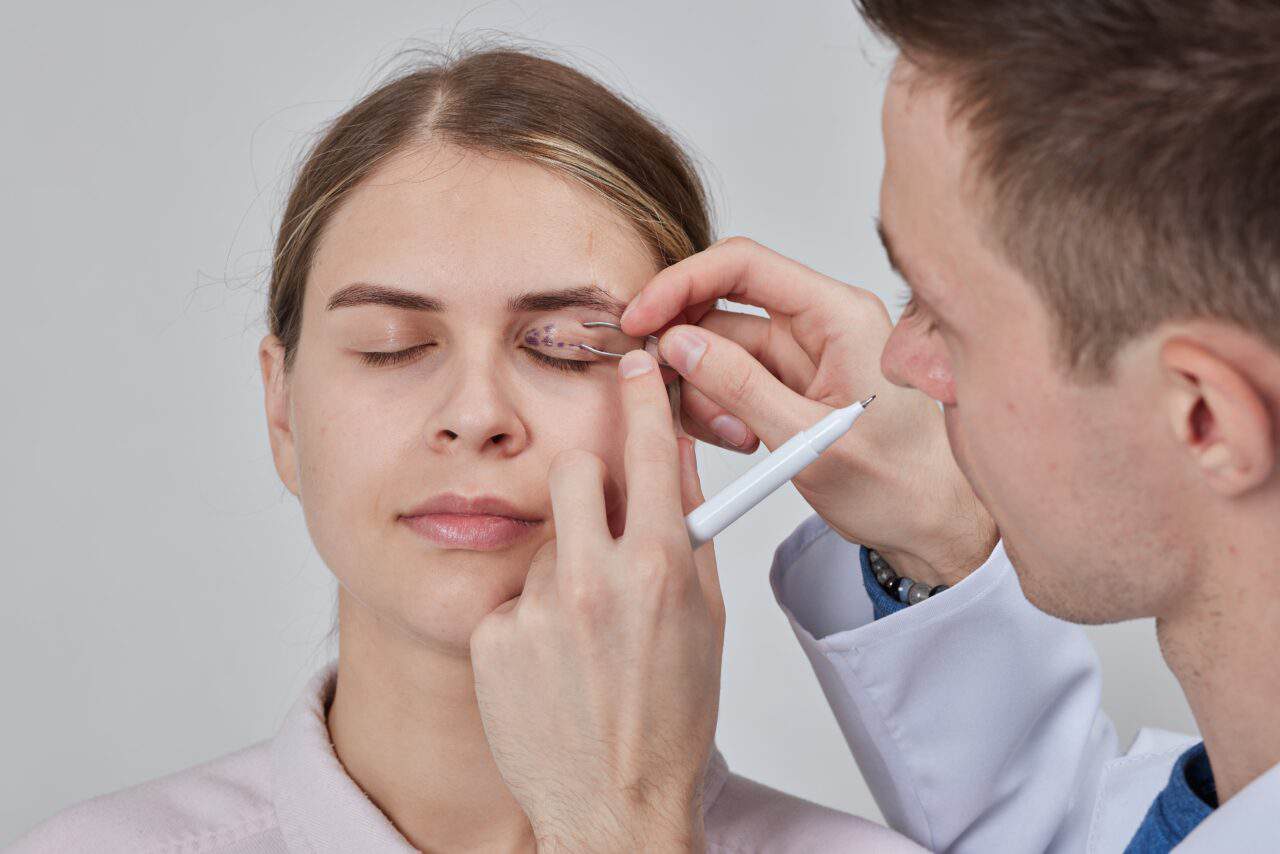
Your eyes are often the first thing people notice about you, but over time, the delicate skin around them can begin to sag, droop, or puff, affecting both your appearance and, in some cases, your vision. If you’ve noticed changes like heavy upper eyelids, under-eye bags, or difficulty keeping your eyes open, you might be a candidate for blepharoplasty, a surgical procedure that rejuvenates the eyelids.
While commonly sought for cosmetic reasons, blepharoplasty can also offer functional benefits. In this article, we’ll investigate the top signs that may indicate it’s time to consider this procedure, and how it can help restore a more youthful, refreshed look and clearer sight.
What is Blepharoplasty?
Blepharoplasty, commonly known as eyelid surgery, is a cosmetic and sometimes medically necessary procedure designed to remove excess skin, fat, and muscle from the upper and/or lower eyelids. It’s often performed to improve the appearance of sagging or droopy eyelids, but in some cases, it’s done to correct vision problems caused by excess tissue obstructing the line of sight.
The Blepharoplasty Procedure
In short, blepharoplasty is a safe and effective way to rejuvenate your appearance or address functional issues caused by aging eyelids. It’s best performed by a qualified ophthalmologist or oculoplastic surgeon with experience in eyelid anatomy and aesthetics.
Consultation and Evaluation
Before surgery, the ophthalmologist or oculoplastic surgeon will assess your eyelid anatomy They will discuss your concerns and goals, review your medical history, and determine whether the procedure is cosmetic or medically necessary.
Anesthesia
Blepharoplasty is usually performed as an outpatient procedure. Local anesthesia with sedation or, in some cases, general anesthesia, may be used depending on the complexity and patient preference.
Surgical Process
With upper eyelid surgery, the surgeon makes a precise incision along the natural crease of the upper eyelid. They will remove or reposition excess skin, fat, and muscle, then closes the incision with fine sutures.
In lower eyelid surgery, the surgeon typically makes the incision just under the lower lash line or inside the eyelid (a technique called transconjunctival blepharoplasty). The surgeon removes or redistributes fat and tightens the skin or muscle as needed.
Recovery
Most patients experience swelling, bruising, and mild discomfort for a few days to a week. Cold compresses and prescribed medications can help with healing. Stitches are usually removed within 5 to 7 days, and most people return to normal activities within 10 to 14 days.
Results
Final results are typically visible after a few weeks, once the swelling has fully subsided. Patients often report brighter, more rested-looking eyes and improved visual function if drooping skin was impairing their vision.
Signs You Might Need Eyelid Surgery
If you’re noticing changes around your eyes that affect your appearance or vision, you might be a candidate for blepharoplasty. If you’re experiencing one or more of these signs, it may be time to consult with an ophthalmologist or oculoplastic surgeon to discuss whether blepharoplasty is right for you.
Drooping Upper Eyelids
Excess skin on the upper eyelids can sag over time, sometimes hanging so low that it interferes with your field of vision. If you find yourself raising your eyebrows to see more clearly or experiencing eye fatigue, this is a common sign that you may need upper eyelid surgery.
Puffy or Baggy Lower Eyelids
Fat deposits under the eyes can create a constant tired or aged appearance. Blepharoplasty can remove or reposition this fat to restore a smoother, more youthful look.
Chronic Tired or Aged Appearance
Even when you’re well-rested, droopy eyelids and under-eye bags can make you look fatigued or older than you feel. Blepharoplasty can refresh your appearance and restore a more alert, rejuvenated look.
Difficulty Wearing Glasses or Contact Lenses
In some cases, excess eyelid skin can interfere with how glasses sit on your face or make contact lens wear uncomfortable. Surgery can help by removing or tightening the tissue that’s causing the issue.
Vision Obstruction
When sagging upper eyelid skin obstructs your peripheral or upper vision, it becomes more than a cosmetic concern. Blepharoplasty can lift the lid and improve both your sight and quality of life.
Potential Complications
Like any surgical procedure, blepharoplasty comes with potential risks and complications, though most people experience a smooth recovery with minimal issues. Here are some of the potential complications to be aware of.
Infection
While rare, infections can occur after any surgery. Signs of infection include increased redness, swelling, pain, or the presence of pus. Antibiotics are typically prescribed to prevent or treat infections if they arise.
Dry Eyes or Irritation
Some patients experience dryness, itching, or irritation in the eyes post-surgery. This is usually temporary, but in rare cases, it can persist. Artificial tears or lubricating ointments may be recommended during recovery.
Minimizing Risks
You can minimize the risk of complications by choosing a board-certified ophthalmologist or oculoplastic surgeon with experience in eyelid surgery. Follow pre- and post-operative instructions closely, ensure you’re in good general health before undergoing surgery. Make sure to discuss any medications or supplements with your doctor, as some can increase the risk of bleeding.
Blepharoplasty Results
Many patients report a significant improvement in self-confidence after blepharoplasty, feeling more positive about their appearance. A more open, refreshed look can have a substantial impact on how one feels about their overall appearance.
For individuals with vision obstruction due to drooping eyelids, blepharoplasty can significantly improve their quality of life by providing better vision, reducing eye strain, and enhancing daily functionality.
The results of blepharoplasty are generally long-lasting, and in many cases can last anywhere from 5 to 10 years or more. Aging, of course, continues after surgery, so while the treated area may stay youthful looking, the surrounding skin may age, leading to minor changes over time.
The skin removal of blepharoplasty is permanent. Once the excess skin and fat are removed, they don’t return. However, factors such as sun exposure, smoking, and natural aging can still impact the longevity of your results.
Thinking About Blepharoplasty? New Vision Eye Center Can Help
If you’re considering blepharoplasty to rejuvenate your appearance or improve your vision, New Vision Eye Center is here to help. Our experienced, board-certified ophthalmologists specialize in eyelid surgery and will guide you through the entire process, from consultation to recovery, ensuring you achieve the best results. Don’t wait to look and feel your best
Contact us today to schedule a consultation and explore how blepharoplasty can enhance your quality of life.