Your eyesight plays a vital role in your quality of life, yet many people only schedule an eye exam when they notice a problem. The reality is that many serious eye conditions develop gradually and may not show symptoms until permanent vision damage has already occurred. Routine eye exams are one of the most effective ways to protect your vision, detect eye diseases early, and monitor your overall eye health.
If you’re wondering how often you should visit an eye doctor, the answer depends on several factors, including your age, medical history, and risk factors. This guide explains recommended eye exam schedules and why preventative eye care is essential for maintaining healthy vision throughout your life.
Why Regular Eye Exams Matter
A comprehensive eye exam does much more than determine whether you need glasses or contact lenses. During an examination, your eye doctor evaluates the health of your eyes and screens for conditions such as glaucoma, cataracts, macular degeneration, diabetic eye disease, and retinal disorders.
Many of these conditions can progress silently without noticeable symptoms in their early stages. Comprehensive eye exams can help detect vision changes and eye diseases before they significantly affect your vision.
Routine eye exams can also reveal signs of broader health issues, including diabetes, high blood pressure, and certain autoimmune diseases. Early detection often leads to more effective treatment and better long-term outcomes.
Eye Exam Recommendations for Children
Vision plays a critical role in a child’s learning and development. Undiagnosed vision problems can affect reading skills, classroom performance, and participation in sports and activities.
The American Optometric Association generally recommends:
- First eye assessment between 6 and 12 months of age
- Another exam around age 3
- A comprehensive eye exam before starting school
- Annual or biennial exams during school years, depending on risk factors
Parents should schedule an appointment sooner if a child experiences symptoms such as squinting, frequent headaches, difficulty reading, poor hand-eye coordination, or complaints of blurry vision.
Eye Exams for Adults Ages 18 to 39
Many younger adults assume they do not need regular eye exams if they have good vision. However, this age group can still develop eye conditions or experience gradual vision changes.
For healthy adults with no known vision issues or risk factors, a comprehensive eye exam every two years is generally recommended. Individuals who wear glasses or contact lenses should typically schedule annual eye exams to ensure their prescriptions remain accurate and to monitor their eye health.
Adults in this age group should also seek an exam promptly if they experience:
- Blurred vision
- Eye strain
- Frequent headaches
- Difficulty focusing
- Dry eyes
- Flashes or floaters
- Sudden vision changes
Eye Exams for Adults Ages 40 to 64
Around age 40, many adults begin experiencing presbyopia, a natural age-related condition that affects near vision. Reading glasses often become necessary, and routine eye care becomes increasingly important.
Adults between 40 and 64 should generally have a comprehensive eye exam every one to two years. This age range is also when the risk for several eye diseases begins to increase.
Conditions that become more common during middle age include:
Cataracts
Cataracts occur when the eye’s natural lens becomes clouded, resulting in blurry vision, increased glare, and trouble seeing in low-light conditions. As one of the most common age-related eye conditions, cataracts can gradually interfere with everyday tasks and quality of life if they are not addressed.
Glaucoma
Glaucoma often develops without noticeable symptoms in its early stages. The condition damages the optic nerve and can lead to permanent vision loss if not detected and treated early. Regular eye exams allow ophthalmologists to monitor eye pressure and assess optic nerve health.
Macular Degeneration
Age-related macular degeneration affects central vision and can make activities such as reading and driving more difficult. Early detection helps preserve vision and improve treatment outcomes.
Eye Exams for Adults Age 65 and Older
Adults over age 65 face a higher risk of developing age-related eye diseases. For this reason, annual eye exams are strongly recommended.
Regular visits help monitor for:
- Cataracts
- Glaucoma
- Macular degeneration
- Diabetic retinopathy
- Retinal tears or detachments
- Dry eye syndrome
Many eye conditions associated with aging can progress gradually. Annual exams allow your eye doctor to identify changes early and recommend appropriate treatment before significant vision loss occurs.
Health Conditions That May Require More Frequent Eye Exams
Some individuals need more frequent eye care regardless of age. If you have certain medical conditions or risk factors, your ophthalmologist may recommend yearly or even more frequent examinations.
Diabetes
High blood sugar caused by diabetes can damage the tiny blood vessels in the retina, increasing the risk of diabetic retinopathy. As one of the leading causes of vision loss in adults, this condition often develops without noticeable symptoms in its early stages.
High Blood Pressure
High blood pressure can affect the delicate blood vessels in the eyes and increase the risk of vision-related complications. Routine monitoring can help detect changes early.
Family History of Eye Disease
If close relatives have glaucoma, macular degeneration, retinal disease, or other hereditary eye conditions, you may face an increased risk. You should follow your eye doctor’s recommendations for more frequent exams.
Existing Eye Conditions
Patients already diagnosed with glaucoma, cataracts, dry eye disease, or retinal disorders often require ongoing monitoring to track progression and evaluate treatment effectiveness.
Contact Lens Wearers
Wearing contact lenses increases the importance of annual eye exams. Your eye doctor will ensure your prescription remains accurate and check for signs of corneal irritation, infection, or other complications.
Warning Signs That Require Immediate Attention
While routine exams are important, certain symptoms should never be ignored. Prompt evaluation can help prevent permanent vision damage and identify potentially serious underlying conditions.
Schedule an urgent appointment if you experience:
- Sudden vision loss
- Double vision
- Eye pain
- Flashes of light
- New floaters
- Persistent redness
- Significant blurred vision
- Loss of peripheral vision
What Happens During a Comprehensive Eye Exam?
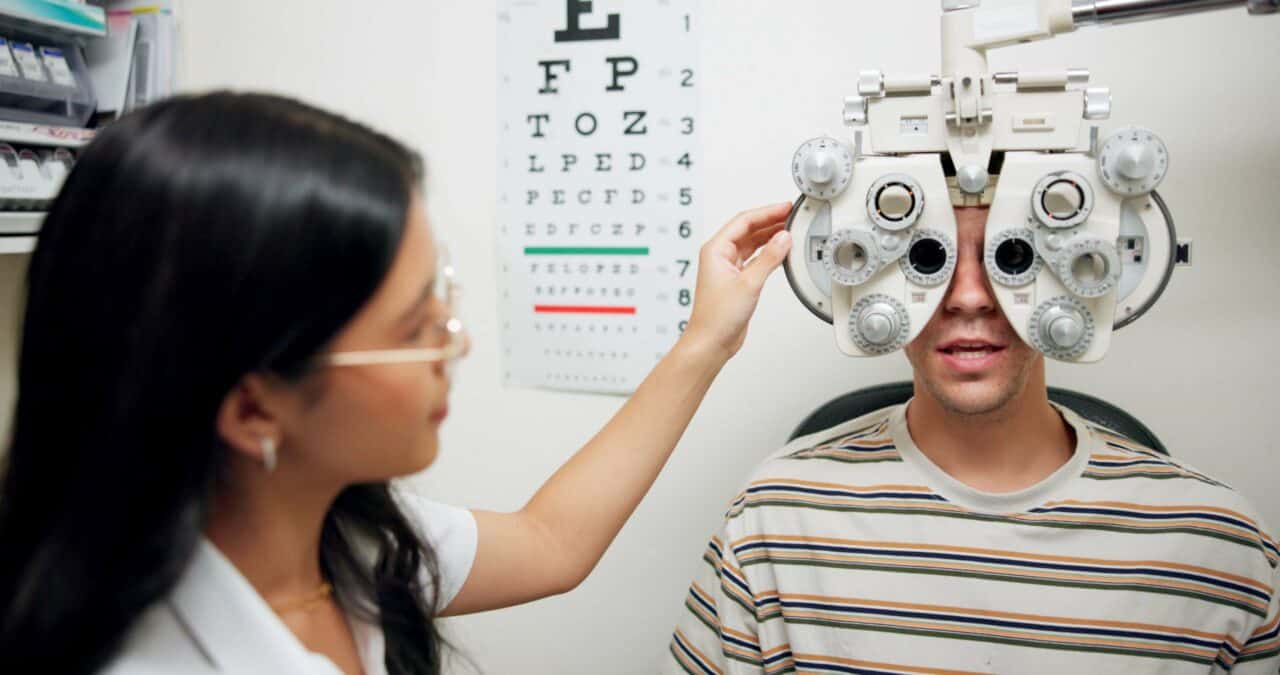
A comprehensive eye exam is designed to evaluate both your vision and overall eye health. Depending on your needs, your ophthalmologist may perform:
- Visual acuity testing
- Refraction testing for glasses or contact lens prescriptions
- Eye pressure measurements
- Retinal examination
- Evaluation of eye muscle function
- Assessment of the cornea, lens, and optic nerve
- Screening of cataracts, glaucoma, and retinal disease
Protect Your Vision with Preventative Eye Care at New Vision Eye Center
Routine eye exams are one of the most important investments you can make in your long-term vision health and quality of life. While age provides a general guideline for exam frequency, your personal health history and risk factors ultimately determine how often you should see an eye doctor.
Whether you’re due for a routine screening, experiencing vision changes, or managing an existing eye condition, regular care can help preserve your sight and identify problems before they become serious. New Vision Eye Center provides comprehensive eye exam services and advanced eye care solutions for patients throughout Florida’s Treasure Coast.
Our board-certified ophthalmologists offer personalized treatment plans designed to protect and improve your vision at every stage of life. Patients receive personalized care using advanced diagnostic technology and modern treatment approaches.
Contact us today to schedule your comprehensive eye exam and take a proactive approach to protecting your eyesight.