
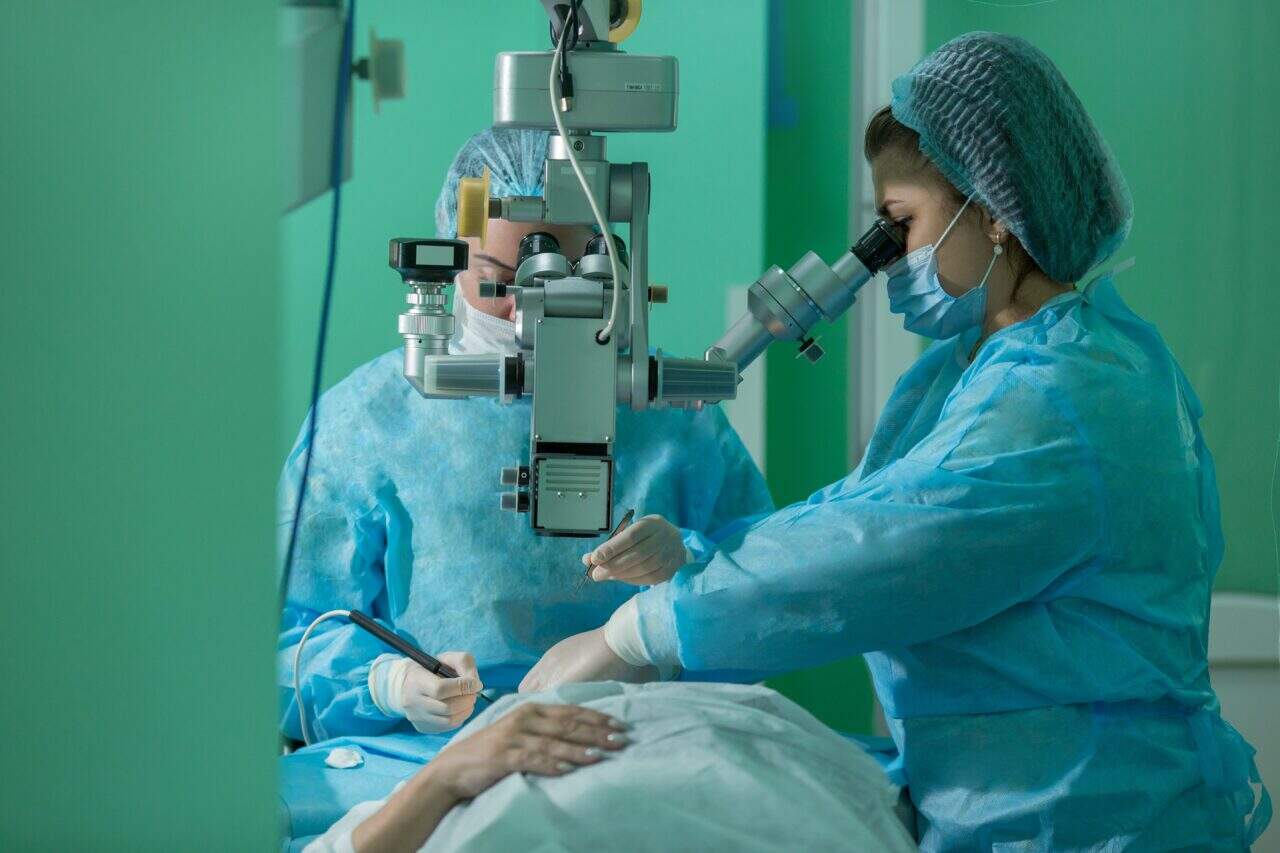
As one of the most common and effective procedures today, cataract surgery helps millions of people regain clear vision. For most patients, the results are life-changing, colors appear brighter, vision sharpens, and daily activities become easier.
However, some patients notice that months or even years after surgery, their vision begins to look cloudy again. This change can be confusing and concerning, especially when it feels similar to the symptoms they experienced before cataract removal.
This condition, known as posterior capsule opacification (PCO), is not a recurrence of cataract but a common and treatable aftereffect of cataract surgery. PCO occurs when residual epithelial cells left behind during surgery begin to multiply, forming a cloudy layer on the posterior capsule of the eye.
The most effective treatment for PCO is a YAG laser capsulotomy, a quick, non-invasive laser procedure. While YAG laser treatment is safe and highly effective, understanding the typical waiting period and key safety considerations is critical to ensuring the best possible outcome.
Patients who know what to expect before and after YAG laser treatment can make informed decisions about their eye care. This includes understanding why waiting for the right time is essential, how the procedure works, the risks involved, and the steps they can take to protect their vision over the long term. Being informed not only helps manage expectations but also ensures the safest and most effective restoration of vision after cataract surgery.
What Is YAG Laser Capsulotomy?
After cataract surgery, a small artificial lens (IOL) is placed inside the eye, held in place by a thin membrane called the posterior capsule. Over time, leftover lens cells can grow and cause this membrane to become cloudy, leading to blurred or hazy vision, glare, and difficulty with tasks like reading or driving.
In a YAG laser capsulotomy, a highly precise laser creates a small opening in the cloudy membrane behind the lens, allowing light to pass through clearly and restoring sharp vision. The procedure is quick, usually takes just a few minutes, is completely painless, and doesn’t require any incisions, stitches, or an overnight hospital stay.
YAG laser treatment is considered one of the safest and most effective ways to treat PCO, with success rates exceeding 95%. Vision often improves within hours to a few days, allowing patients to resume normal activities quickly.
Why Isn’t YAG Laser Treatment Done Immediately Following Cataract Surgery?
PCO typically does not appear right after surgery. In fact, some patients may never require YAG laser treatment. Performing YAG laser capsulotomy too early can be unnecessary and may slightly increase the risk of complications, including inflammation or damage to the intraocular lens.
By waiting until the eye is fully healed, ophthalmologists ensure that YAG laser treatment is both safe and effective. Additionally, early evaluation helps confirm that any vision changes are actually caused by PCO, rather than other eye conditions such as dry eye, macular degeneration, or glaucoma.
Typical Waiting Period After Cataract Surgery
The waiting period before YAG laser treatment varies depending on the individual patient and how quickly PCO develops. On average, some patients may develop PCO within 6–12 months, while others may not experience significant clouding for several years.
Most ophthalmologists recommend waiting at least a few months after cataract surgery before considering YAG laser capsulotomy. This allows time to ensure the eye has fully healed, that the lens is stable, and that any transient visual disturbances from the surgery itself have resolved. During this period, patients should attend routine follow-up appointments so the surgeon can monitor healing, detect early signs of PCO, and advise on the right timing for laser treatment if it becomes necessary.
Signs You May Be Ready for YAG Laser Treatment
Patients who benefit from YAG laser capsulotomy often experience symptoms similar to cataracts. These include:
- Blurry or cloudy vision that does not improve with new glasses
- Glare or halos around lights, especially at night
- Difficulty seeing in bright sunlight
- Reduced contrast sensitivity, causing colors to appear dull or faded
If these symptoms interfere with daily activities and persist after the eye has fully healed, it may be time to discuss YAG laser treatment with your ophthalmologist. A comprehensive eye exam will confirm the presence of PCO and determine if you are a candidate for the procedure.
Safety Considerations Before YAG Laser Treatment
While YAG laser capsulotomy is considered very safe, it requires careful evaluation to minimize risk and ensure optimal outcomes. Here are some key safety considerations.
Eye Stability and Healing
The eye must be fully healed from cataract surgery, including stable intraocular pressure and resolved inflammation. If the eye is still recovering, performing laser treatment too early could increase the risk of complications.
Retinal Health
Patients with certain retinal conditions, such as diabetic retinopathy, retinal tears, or a history of retinal detachment, need additional assessment. YAG laser energy can slightly increase the risk of retinal complications in these patients, so careful monitoring is essential.
Intraocular Pressure Monitoring
Some patients experience a temporary increase in eye pressure after YAG laser treatment. Your ophthalmologist may prescribe pressure-lowering eye drops and schedule follow-up visits to ensure safe recovery.
Accurate Diagnosis
Not all vision changes after cataract surgery are due to PCO. Dry eye, corneal irregularities, glaucoma, or macular degeneration may be responsible. A thorough eye examination ensures that YAG laser treatment is appropriate and that other conditions are not overlooked.
Lens Considerations
The type and position of the intraocular lens may affect the timing and technique of YAG laser treatment. Ophthalmologists carefully evaluate the lens to minimize the risk of displacement or other complications.
What to Expect During and After the Procedure
YAG laser capsulotomy is performed in an outpatient setting and usually takes less than 10 minutes. The procedure typically includes applying numbing drops to the eye, placing a special contact lens to focus the laser, and then creating a small opening in the cloudy capsule.
After the procedure, patients may notice an improvement in vision within hours, although complete clarity may take a day or two. Most people can resume normal activities immediately, though some minor light sensitivity or mild eye irritation may occur temporarily. Your ophthalmologist will provide post-procedure care instructions, including the use of eye drops to reduce inflammation if needed.
Benefits of Waiting Until the Right Time
By timing the procedure appropriately, patients receive the greatest benefit while preserving long-term eye health. Waiting for the optimal moment to undergo YAG laser capsulotomy ensures:
- Maximum Safety — Reduces the risk of complications from inflammation or unstable intraocular lenses
- Best Visual Outcomes — Ensures that vision improvement is lasting and meaningful
- Accurate Diagnosis — Confirms that PCO is the cause of vision changes
- Minimized Interventions — Avoids unnecessary procedures during the healing process
Why Choose New Vision Eye Center for YAG Laser Treatment?
Waiting for the appropriate time to undergo YAG laser treatment after cataract surgery is essential for achieving optimal visual outcomes and minimizing risks. With careful planning and guidance from a trusted ophthalmologist, YAG laser capsulotomy can restore clear, vibrant vision and significantly enhance the quality of life.
New Vision Eye Center combines advanced technology, highly skilled ophthalmologists, and a patient-focused approach to ensure that every step of your post-cataract care is safe and effective. From careful evaluation and precise laser treatment to ongoing support and education, we are the trusted choice for restoring and protecting your vision.
Contact us today to schedule an appointment.