
Cataracts are a common eye condition that affects millions of people worldwide, particularly as they age. While cataract surgery is one of the most successful and commonly performed surgeries, many individuals delay undergoing the procedure for various reasons. But how does postponing cataract surgery impact your vision and overall eye health?
Delaying cataract surgery can lead to worsening vision and increase the risk of complications that affect your eyesight and your overall quality of life. In this article, we’ll explore the dangers and consequences of delaying cataract surgery and why timely treatment matters for maintaining clear vision and eye health.
What Are Cataracts?
Your eye’s natural lens is located behind the iris and pupil. When you develop a cataract, that lens becomes cloudy. This lens is responsible for focusing light onto the retina, enabling clear vision. When a cataract forms, the lens turns opaque, causing blurred vision, increased glare, and difficulty seeing in dim lighting.
Cataracts typically develop gradually and can affect one eye or both eyes. Common symptoms of cataracts include:
- Blurred or hazy vision
- Difficulty seeing at night
- Double vision in one eye
- Increased sensitivity to glare and bright lights
- Fading or yellowing of colors
- Frequent changes in eyeglass prescription
Risks of Delaying Cataract Surgery
Delaying cataract surgery can worsen vision and increase the risk of eye complications. It may make surgery more difficult and increase risks, while poor vision raises the likelihood of accidents.
1. Progressive Vision Loss
Cataracts gradually worsen over time. Delaying surgery means allowing the clouding of the lens to increase, which can lead to significant vision impairment. This can affect your ability to read, drive, recognize faces, and perform daily tasks safely and independently.
2. Increased Risk of Falls and Accidents
Poor vision from untreated cataracts significantly raises the risk of falls and accidents, particularly in older adults. Impaired depth perception and glare sensitivity can make it difficult to navigate stairs, sidewalks, and other environments safely, potentially leading to serious injuries.
3. Development of Complications
In some cases, delaying cataract surgery can lead to more complex eye problems, such as:
- Hyper-Mature Cataracts — These are cataracts that have become very advanced and hardened. Removing a hyper-mature cataract is more difficult and carries a higher risk of complications during surgery.
- Lens-Induced Glaucoma — This occurs when proteins from a mature cataract leak into the eye, causing inflammation and increased eye pressure, which can damage the optic nerve.
- Inflammation and Swelling — Long-standing cataracts can sometimes cause swelling or inflammation in the eye, which worsens discomfort and vision.
4. Impact on Overall Eye Health
Delaying cataract surgery can exacerbate other existing eye conditions and complicate future treatments. For example, people with diabetes or glaucoma may experience a worsening of their conditions due to increased eye pressure or inflammation caused by advanced cataracts.
Additionally, postponing surgery can complicate planning for other eye procedures, such as laser vision correction or treatments for retinal problems, making these interventions less effective or more challenging to perform. Overall, timely cataract removal is crucial not only for restoring vision but also for maintaining the overall health of your eye.
5. Reduced Quality of Life
Beyond the physical effects, poor vision can lead to social isolation, depression, and a decreased sense of independence. Tasks like reading, watching TV, and driving become challenging, reducing your overall enjoyment of life.
When Is the Best Time to Have Cataract Surgery?
Cataract surgery is typically recommended when cataracts interfere with your daily activities and quality of life. There is no need to wait until your vision becomes severely impaired.
In fact, many ophthalmologists encourage surgery once vision begins to affect your safety or independence. Early intervention can lead to better surgical outcomes, a faster and easier recovery, and a reduced risk of complications.
How Cataract Surgery Can Restore Vision and Protect Eye Health
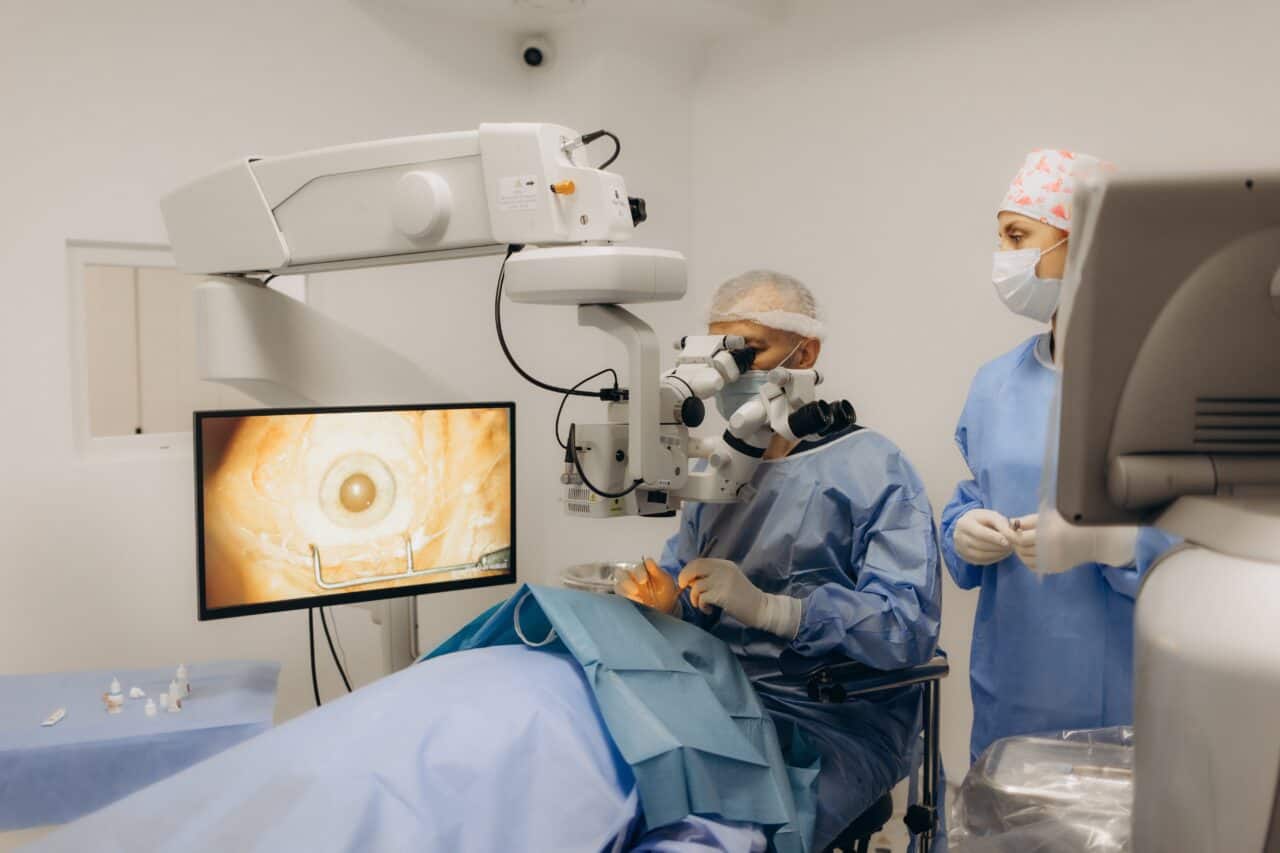
Cataract surgery involves removing the cloudy lens and replacing it with a clear artificial lens called an intraocular lens (IOL). The procedure is safe, typically outpatient, and highly effective at restoring clear vision. Additionally, cataract surgery can improve eye health by removing the source of inflammation or pressure caused by advanced cataracts.
Benefits of cataract surgery include:
- Improved clarity and sharpness of vision
- Reduction in glare and enhanced night vision
- Better color perception
- Increased independence and quality of life
What to Expect Before and After Cataract Surgery
Before cataract surgery, you will undergo a comprehensive eye exam to assess the severity of your cataracts and evaluate your overall eye health. Your eye doctor will take precise measurements to determine the most suitable intraocular lens (IOL) for your needs. During this time, your ophthalmologist will also explain the surgical procedure, discuss potential risks, and go over the expected recovery process to ensure you are well-informed.
After surgery, you may experience blurred vision, but it typically improves within a few days. You will receive a prescription for eye drops to prevent infection and reduce inflammation as your eye heals.
Follow-up appointments are essential to monitor your recovery and ensure the surgery was successful. Most patients can return to their normal activities within a week, experiencing significant improvements in clarity and comfort.
When to Contact Your Eye Doctor Immediately
Certain symptoms may indicate serious complications and require immediate care. Seek urgent medical attention if you experience:
- Sudden vision loss or severe vision changes
- Eye pain or redness
- Flashes of light or new floaters in your vision
Turn to New Vision Eye Center to Restore Your Vision and Improve Your Quality of Life
Delaying cataract surgery can lead to progressive vision loss, increased risk of injury, complications, and a lower quality of life. Early evaluation and treatment are key to preserving your sight and maintaining overall eye health. If you or a loved one notices signs of cataracts, scheduling a comprehensive eye exam is the first step toward clear, healthy vision.
At New Vision Eye Center, we combine advanced technology with personalized care to ensure the best possible outcomes for our patients. Our experienced surgeons specialize in the latest cataract surgery techniques, offering precise, comfortable procedures tailored to your unique needs.
Contact New Vision Eye Center today to schedule your consultation.