
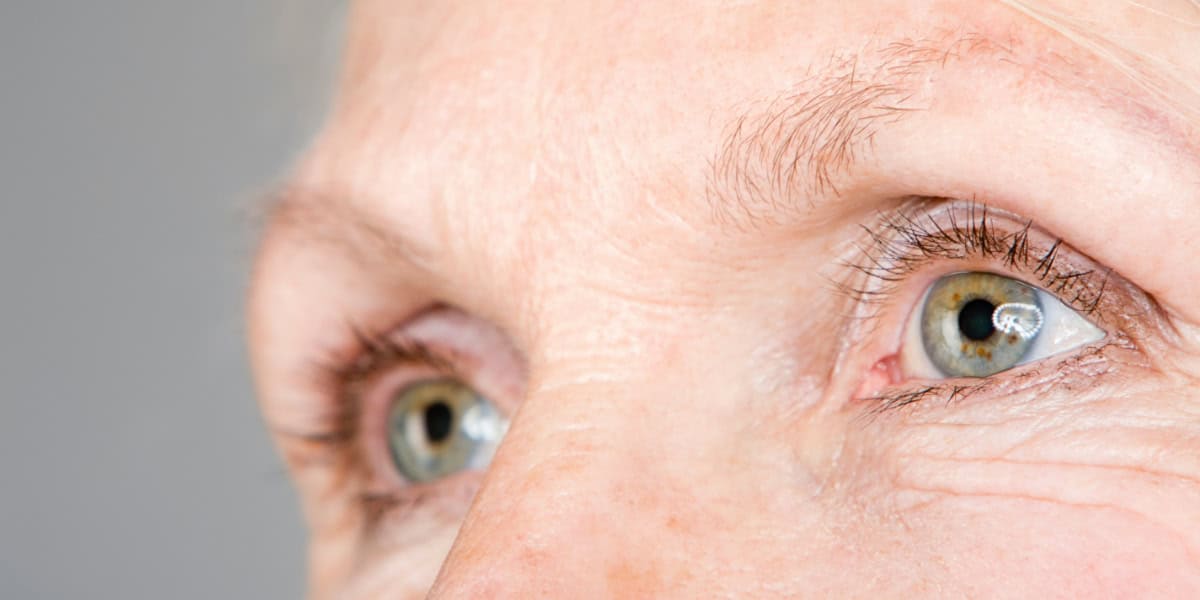
A cataract is when a cloudy area develops in the lens, a small transparent disc inside your eye that is usually clear and is the part of your eye that helps to focus light. When someone develops a cataract, it affects their ability to see clearly and can lead to blindness. Cataracts are prevalent as you age, and more than half the people over 80 have cataracts or have had surgery to remove them.
If not treated early, cataracts can lead to a loss of vision. Your vision gives you the power to experience and see the world around you. Hence, eye issues can also impact your quality of life, so it is crucial to understand the facts about cataracts. This article will give you the facts behind some of the most common cataract myths. You will also learn the signs, symptoms, and treatments for cataracts.
Myths and Facts About Cataracts That You Need to Know
Cataracts are the primary cause of blindness, and even a small cataract can reduce vision. The great news is that cataract removal is a highly effective medical procedure.
Myth #1. Cataracts Only Affect Older People
Fact: While age is one of the most significant contributing factors to developing cataracts, it is not always age-related. As some people age, protein builds up on the lens, leading to cataracts.
However, younger individuals may also develop cataracts due to medical issues, eye injuries, genetic disorders, and lifestyle habits. One of the most common examples is that patients with diabetes are more likely to develop cataracts than a healthier person. Those people with diabetes also have a higher risk of developing early cataract formation.
Myth #2. If you have no pain in your eyes, you have no cataracts.
Fact: Many people will develop cataracts over time, and while they can cause discomfort, the most prevalent symptom is cloudy vision. Cataracts are not generally associated with pain; however, it is expected to experience some of the following symptoms:
- Blurry or double-vision
- Seeing a glare or halo around lights
- Clouding of the lens
- Issues seeing at night
- Needing a bright, brighter light for reading, cooking, and other activities
- Sudden refractive changes for contact, lenses, or eye
- Lack of color saturation
Myth #3. Reading a lot can cause cataracts.
Fact: You may have heard that activities such as reading, sewing, or crafting can cause cataracts to form. However, that is not true.
No matter how often you do them, you are not at a greater risk of forming cataracts. Some factors, such as excessive sun exposure and smoking, increase your risk of developing cataracts.
Myth #4. You can prevent cataracts.
Fact: Not everyone develops cataracts. However, once cataracts begin to grow, they are generally inevitable.
If you are a high-risk individual, ensure that you take essential steps, such as shielding your eyes from the sun and ultraviolet rays, stopping smoking, and improving your diet. Protecting your eye health and taking preventative measures can reduce your risk and significantly slow the development of cataracts.
Myth #5. Cataracts are a growth.
Fact: A cataract develops when translucent proteins lose elasticity and stick together. The layer becomes thicker over time, leading to a cataract, affecting your vision.
Myth #6. Cataracts can be prevented or fixed with eyedrops.
Fact: Hopefully, one day, there will be an effective eyedrop treatment for cataracts; however, currently, the only effective way to treat cataracts is by having them surgically removed.
Myth #7. Cataract surgery is time-consuming and dangerous.
Fact: While any surgical procedure comes with a risk, cataract surgery is very low-risk, and only a small percentage of people may experience complications. The best way to minimize your risk of developing complications is to follow all of your eye doctor’s post-operative instructions. Cataract surgery is an outpatient procedure, so patients are home on the same day as their procedure.
Myth #8. Cataracts can return after being removed.
Fact: Cataracts cannot return because your doctor removes your lens completely during cataract surgery, and the artificial lens cannot develop a cataract. Sometimes, a condition called Posterior Capsule Opacification occurs, in which the thin membrane called the eye capsule, which keeps the lens in place, begins to be cloudy. This condition creates similar symptoms to cataracts, such as blurry vision, and is easy to treat.
Myth #9. Cataract surgery recovery takes a long time.
Fact: Cataract surgery is an outpatient procedure, and recovery only takes a short time. You may need about a week of downtime from work while waiting for your vision to adjust and clear up.
Myth #10. I will still be nearsighted after the surgery.
Fact: An additional perk to cataract surgery is that your doctor can replace your natural lens with an intraocular lens to correct refractive problems, such as farsightedness, astigmatism, and nearsightedness. In fact, some patients can eliminate wearing eyeglasses for most activities.
Myth #11. You need to wait till your cataracts are advanced before having surgery.
Fact: In the past, doctors recommended that patients wait until the cataracts are pretty advanced before removing them. However, with modern technology, doctors can remove cataracts in the early stage, and you don’t have to wait till your vision is significantly affected.
If you are experiencing vision issues, such as headaches, eye strain, blurriness, or other symptoms, make an appointment with an eye specialist today.
New Vision Eye Center in Vero Beach Is Here to Help You With Your Cataracts and Maintaining Excellent Eye Health
If you are experiencing vision problems affecting your quality of life, New Vision Eye Center offers custom cataract surgery to ensure each patient has the best lens to achieve their vision goals.
We also offer YAG laser surgery, corneal implants, detached retinal surgery, glaucoma treatment, LASIK eye surgery, macular degeneration, and other options to help you get the most out of life and have clearer vision. Our world-class eye care center uses modern technology and minimally invasive treatments combined with our experts to ensure our patients get the best results.
Contact us today to book an appointment and get a better vision for tomorrow!